

Reviewed · FOOD & DRINK
Half-Day Food Tour of Tbilisi Dezerter’s Bazaar
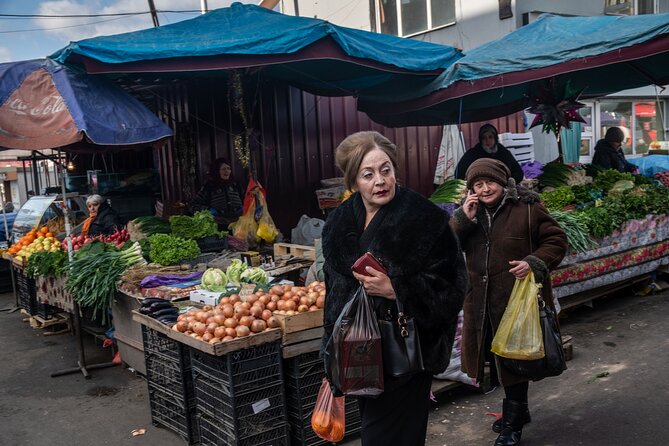
Tbilisi’s Dezerter’s Bazaar is the heart of this experience, and it is a fine place to learn how Georgian food reaches the table. You’ll walk among spice sellers, bakers, honey vendors, cheese counters, and produce stalls with Paul, a guide who knows the market’s people by name. I like the personal touch, and I like that the tour moves from shopping and tasting to a proper meal and wine.
The two strongest points are the market access and the chance to try foods in context, rather than simply hearing a list of dishes. The main caution is the price: at $125 per person, this is not a cheap food walk, and it may feel costly if you want only a quick market visit or have a limited appetite.
Key points to know before booking
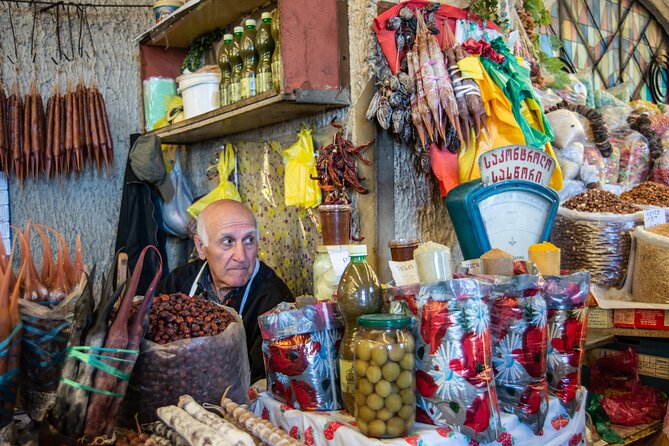
- Dezerter’s Bazaar is the main event: You’ll visit Tbilisi’s central farmer’s market and meet specialist vendors, including the spice seller known as the Spice Girl, a honey vendor, and local bakers.
- Paul leads the experience: His local contacts help turn a standard market visit into a more personal introduction to food and daily life in Tbilisi.
- The food continues beyond the stalls: The tour includes a meal of Georgian specialties, including ghobi, lobiani, tkemali, pkhali, cheese, and cornbread.
- Wine and chacha are part of the day: A tasting at a respected wine bar gives you a chance to learn about Georgian wine and sample local drinks.
- It is private and English-language: Only your group participates, which makes it easier to ask questions and set the pace within the planned five-and-a-half-hour schedule.
- Nut allergies need careful thought: The experience is not recommended for people with nut allergies.
Why Dezerter’s Bazaar makes a strong starting point
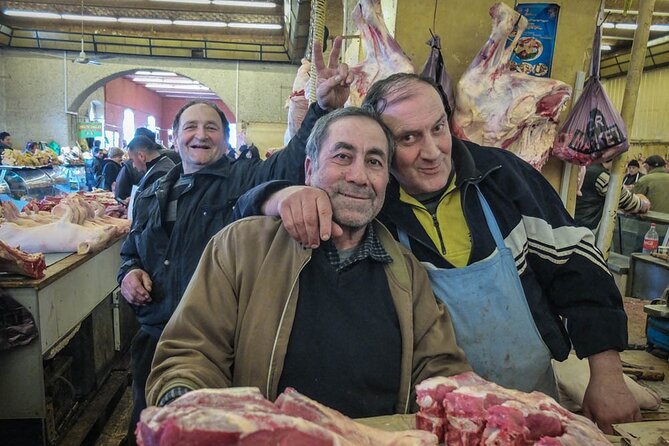
A food tour can easily become a parade of dishes with little connection between them. This one begins at Dezerter’s Bazaar, where ingredients, sellers, and cooking traditions meet in one place.
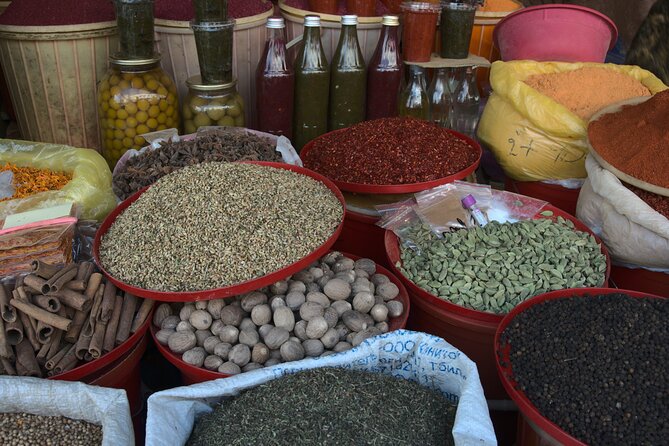
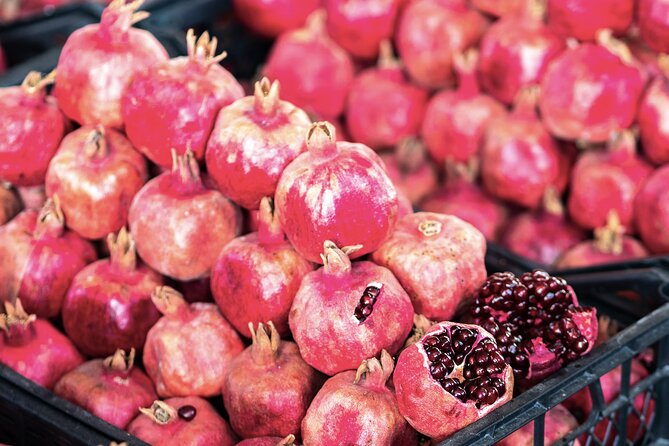
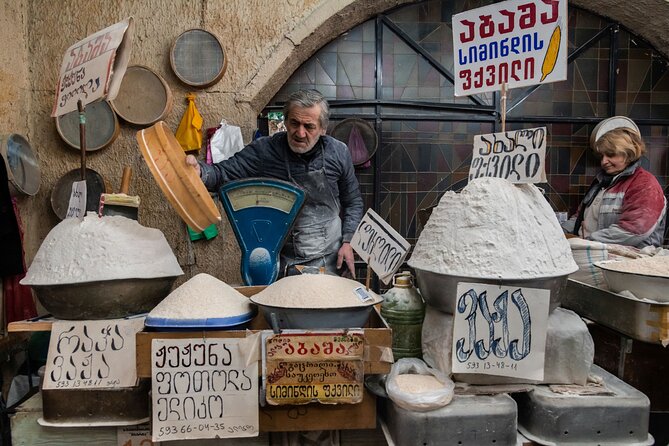
The market is Tbilisi’s central farmer’s market. You can expect a mix of fresh produce, spices, breads, cheeses, sweets, honey, and other regional goods. The supplied details do not promise a fixed list of stalls, and that is worth keeping in mind. Markets change with the season and with the day’s supply. The strength here is not a rigid shopping list. It is the chance to see how Georgian food is bought and sold.
Paul’s relationships with vendors are a major part of the experience. You’ll meet people described as the Spice Girl, the honey lady, and brilliant bakers. Those encounters give the market a human face. Instead of simply pointing out a pile of spices, Paul can explain who sells it, how it is used, and why that ingredient matters in Georgian cooking.
I especially like this approach for first-time visitors. Georgian menus can contain unfamiliar words, and market products may not come with clear explanations in English. A guide who can introduce you to vendors makes it easier to ask questions and try something new without guessing.
The market portion also gives you a useful sense of place. Tbilisi’s food culture is not only found in polished restaurants. It lives in the market, in family recipes, in bread ovens, and in the relationships between sellers and regular customers.
A few more things to do in Tbilisi worth a look
- Tbilisi:Mtskheta,Jvari,Bazaar,wine tasting,Chronicles of Georgia
★ 5.0 · 730 reviews - Old Tbilisi Tour: Private Walking Tour With Wine Tasting
★ 5.0 · 273 reviews - Private Tbilisi Food Tour: 9 Tastings Walk in Bohemian District
★ 5.0 · 227 reviews
Meeting the vendors behind Georgian flavors
The vendor visits are where this tour seems most personal. The details point to several memorable stops, including a spice seller, a honey seller, and bakers who prepare Georgian bread.
Spices can be a tricky subject on your own. You may recognize a few aromas, but knowing how they fit into local cooking is another matter. With Paul, you can ask about the difference between ingredients, how they are combined, and which ones are commonly used at home. The tour’s appeal is not only tasting. It is learning what to do with the flavors later.
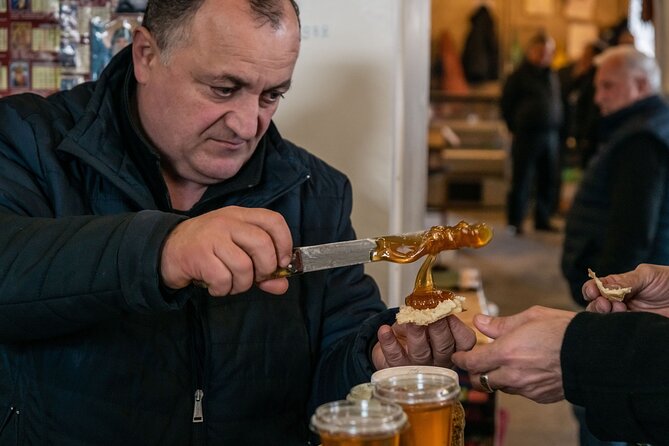
Honey brings a different angle. It is a simple product, but a honey seller can show you how local food traditions extend beyond restaurant dishes. You may find that the conversation becomes as memorable as the tasting itself, especially if you enjoy meeting producers and hearing how food is made or sold.
The bakeries are another important stop. Georgian bread is not a side note, and the menu includes tonis lobiani, a bean-filled bread baked in a tone oven. The tone is a traditional Georgian oven, and the baking method gives the bread its own character. You’ll get more from the dish when you understand that it is tied to a particular oven, not simply a generic stuffed loaf.
The vendor visits also make the tour a better fit for curious eaters than for people seeking a fast checklist. You may spend time asking questions, watching how products are handled, and comparing tastes. That can make the five-and-a-half-hour schedule feel full, but it also means the tour is not designed as a quick stop between major sights.
From market samples to a Georgian meal
After the market, the experience continues with lunch at a notable local restaurant. This is an important part of the design. You are not left to interpret the market on your own, and you do not need to find a restaurant afterward while trying to remember the names of the dishes.
The listed main dish is ghobi, a large bowl of seasonal starters. It includes pkhali, jonjoli, an assortment of cheese, and cornbread. In Georgia, a spread of small dishes can tell you more about the range of a meal than one large entrée. Pkhali brings vegetables, herbs, and seasoning together. Jonjoli is a traditional Georgian pickled plant, and its sharp flavor offers a useful contrast to cheese and bread.
The seasonal nature of the ghobi matters. The exact contents may vary, so you should not expect a permanently fixed platter. That is a plus for freshness, though anyone who wants a precise menu should keep the word seasonal in mind.
Tonis lobiani is listed as a starter. It is stuffed bean bread baked in a tone oven, and it is one of the most practical foods on the menu: filling, familiar in shape, and distinctly Georgian in preparation. Tkemali, a homemade sour plum sauce, adds a bright, tart note. It is often used to cut through heavier foods, so it helps balance the bread, cheese, and other starters.
This meal should help you understand how Georgian food works at the table. Bread, cheese, vegetables, herbs, pickles, and sauces are not isolated items. They are meant to be shared, tasted together, and adjusted with a little more sauce or another piece of bread.
One useful expectation to set: the information provided names the restaurant as notable but does not identify it. You should book this for the food and the local setting, not for a guaranteed famous address or a particular dining room.
A wine tasting that adds context
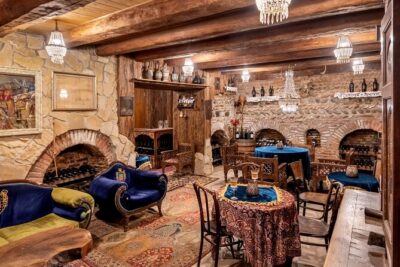
The final food-and-drink portion is a tasting of artisanal Georgian wines at a renowned wine bar. This gives the day a natural ending. After the noise and movement of the market, you can sit down and focus on how Georgia’s wines fit into the country’s food traditions.
The tasting is select rather than described as a large sampling session. That is good news if you prefer explanation over quantity. You can give each wine some attention, ask questions, and compare what you taste with the foods from earlier in the day.
The available information also refers to celebratory toasts of wine and chacha. Chacha is a Georgian grape spirit, so this part of the experience may be stronger than a standard wine-only tasting. If you do not drink alcohol, the supplied details do not explain what nonalcoholic alternatives are available. Ask before booking if that point matters to you.
The wine stop is valuable because Georgian wine can be hard to understand from a restaurant menu alone. A guide can connect the drink to the meal, the region, and the country’s customs. Paul is also described as able to answer questions about Georgian and Tbilisi history, so the tasting may extend beyond flavor into local culture.
Still, wine is central to the second half of the experience. If you do not drink, or if you want a tour focused only on the market, this may not be the best match.
Same base, a different sort of day:
- Day Trip to Kakheti Wine Region Including 9 Wine Tastings
★ 5.0 · 2,774 reviews - Highlights of Caucasus Mountains-Jinvali,Ananuri,Gudauri,Kazbegi(Group tour)
★ 5.0 · 2,682 reviews - Day Trip to Kazbegi and Gudauri
★ 5.0 · 2,009 reviews - Day Trip to Mtskheta Gori and Uplistsikhe
★ 5.0 · 1,801 reviews
What Paul adds to the day
Paul is the named guide connected with this experience, and the strongest praise centers on his local relationships and broad understanding of Georgian food, wine, and culture.
That matters more on a market tour than it would on a simple restaurant reservation. A market can feel confusing when you do not know what to look for. Paul’s network helps you reach the stalls and people that give the visit its character. The day is built around introductions, tastings, conversation, lunch, and wine rather than a simple walk past counters.
You should also expect a social tone. The supplied comments describe smiles, laughter, wine, and toasts. That suggests a relaxed experience rather than a formal lecture. If you like asking questions and chatting with a guide, this is a strong fit. If you prefer a quiet, tightly scripted tour, the personal style may feel less predictable.
Another plus is that Paul can provide context beyond food. He is described as able to discuss Tbilisi and Georgian history while answering questions. That makes the tour useful early in a visit, when you are still trying to understand the city and its customs.
Because this is a private activity, only your group participates. That gives you more room to ask about ingredients, eating habits, and wine. It also removes the awkwardness of a large group waiting while one person asks a question. The tradeoff is that a private tour usually carries a higher price than a shared group walk.
Is $125 a fair price?
The cost is $125 per person. The value depends on how you use the five-and-a-half-hour experience.
You are paying for more than market admission, since no separate market entry fee is identified. The price covers an English-language guide, a private group setting, market introductions, food samples, a restaurant meal, and a wine tasting. It also includes the convenience of having the day arranged from the 10:00 am start through the return to the meeting point.
I would consider the price reasonable for someone who wants a full food and culture experience with a private guide. The meal and wine tasting are meaningful parts of the cost, as are the guide’s relationships with vendors. You are also buying time saved from researching what to eat, where to go, and how to order.
The value is weaker if you mainly want to browse the bazaar independently. You could spend much less by visiting the market on your own, choosing a restaurant separately, and buying a small amount of wine. You would lose the introductions, the explanations, and the private structure, but that may be a fair trade for a budget-conscious visitor.
Ask yourself what you want from a food tour. If the answer is a few tastings and a quick orientation, this price may be high. If you want a full morning and afternoon built around local food, personal contacts, lunch, and wine, the cost is easier to justify.
Timing, meeting point, and practical fit
The tour starts at 10:00 am at the Shota Rustaveli Monument, at 2 Mikheil Zandukeli Street in Tbilisi. It ends back at the same meeting point. That return is handy because you do not need to arrange a separate ride from an unfamiliar part of the city.
The total duration is about five hours and 30 minutes. That is long enough for the market, meal, and tasting to feel like one complete outing. Plan the rest of your day around it rather than trying to squeeze in a major timed attraction immediately afterward.
The meeting point is near public transportation. You receive confirmation when booking, and the ticket is mobile, so you can keep the booking on your phone. The tour is offered in English.
Most people can participate, but the experience is not recommended for people with nut allergies. That warning deserves attention because market foods, shared dishes, sauces, and bakery items can involve ingredients that are difficult to identify quickly. If you have a serious allergy, contact the provider before booking and explain your needs clearly.
The tour is private, but the supplied details do not state the maximum group size. Only your own group will participate, which is more important here than a specific number. You can expect a more personal pace than on a large group food walk, but the day still follows a planned route with set food and wine components.
Free cancellation is available if you cancel at least 24 hours before the local start time. Changes or cancellations inside that window are not accepted for a refund.
Who will enjoy this Tbilisi food tour?
I would recommend it most strongly to first-time visitors who want a guided introduction to Georgian food and drink. You get market ingredients, vendor contact, restaurant dishes, wine, and cultural background in one outing.
It also suits people who enjoy food stories more than food photographs. The focus is on where products come from, who sells them, how they are prepared, and how they fit into Georgian life.
Couples and small private groups should appreciate the format. You can ask questions freely and enjoy the day without sharing the guide with strangers. The tour may also work well for a special occasion, since the meal, wine, and toasts give it a festive feel.
I would be more cautious about booking if you have a nut allergy, avoid alcohol, dislike shared foods, or want a short and inexpensive market visit. The food and drink are not side features. They are the core of the experience.
Should you book the Dezerter’s Bazaar tour?
Book it if you want Tbilisi explained through its food, with a guide who knows the market and its vendors personally. The combination of Dezerter’s Bazaar, specialist sellers, Georgian dishes, lunch, and a wine tasting gives you a fuller picture than a simple market stroll.
The main reason to hesitate is cost. At $125 per person, you should be ready to spend most of the day eating, talking, and tasting wine. For the right visitor, that is the point. For someone seeking a cheap snack crawl, it is too much.
My practical advice is to book early in your Tbilisi stay. The tour can help you understand Georgian menus, ingredients, wine, and dining customs before you make your own restaurant choices. Come hungry, allow the full five-and-a-half hours, and take the nut allergy warning seriously.
FAQ
Where does the tour start?
The tour starts at the Shota Rustaveli Monument, 2 Mikheil Zandukeli Street in Tbilisi, Georgia.
What time does the tour begin?
The start time is 10:00 am.
Where does the tour end?
The activity ends back at the original meeting point.
How long does the experience last?
The tour lasts approximately five hours and 30 minutes.
Is the tour offered in English?
Yes. The experience is offered in English.
Is this a private tour?
Yes. Only your group participates in the activity.
What food is included?
The listed food includes ghobi with pkhali, jonjoli, assorted cheese, and cornbread. It also includes tonis lobiani, bean-filled bread baked in a tone oven, and homemade tkemali, a sour plum sauce.
Can I cancel for a refund?
Yes. You can cancel for a full refund up to 24 hours before the local start time. Cancellations or changes made less than 24 hours before the start time are not refunded or accepted.
More half-day tours in Tbilisi
- Half-Day Famous Georgian Supra Feast
★ 5.0 · 13 reviews
More Markets in Tbilisi
- Join a Local for a Market Tour, Cooking Class and Meal in her Tbilisi Home
★ 5.0 · 15 reviews - New Year in Tbilisi: Christmas Market and Hidden Gems Tour
★ 5.0 · 3 reviews
Just added in Tbilisi
- Private Adorable City Tour of Tbilisi★ 5.0 · 3 reviews
- Tbilisi Airport to Gudauri, Bakuriani, Batumi, Tbilisi★ 5.0 · 3 reviews
- full day Kazbegi-Gudauri-jvari -from Tbilisi★ 5.0 · 6 reviews
- Old tbilisi walking tour & wine tasting★ 5.0 · 9 reviews
- Wine promenade in hospitable Tbilisi★ 5.0 · 17 reviews
- Vardzia. Lake Paravani, Khertvisi & Lomisa castle, Rabati★ 4.5 · 12 reviews
- Your unique photo session in Tblisi, Georgia★ 3.5 · 4 reviews
- Private Wine Tour In Kakheti Region with 7 Wines and Lunch★ 5.0 · 3 reviews
Food & Drink, compared.
Mtskheta,Jvari,Bazaar,wine tasting,Chronicles of Georgia
Read our review →
Old Tbilisi Tour: Private Walking Tour With Wine Tasting
Read our review →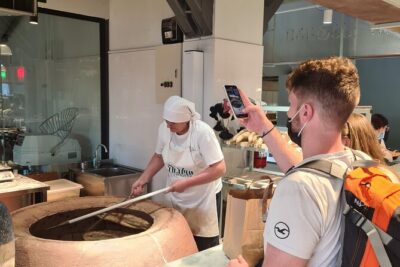
Private Tbilisi Food Tour: 9 Tastings Walk in Bohemian District
Read our review →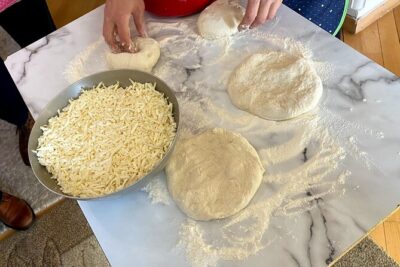
Private Wine Tasting in Prince Karalashvili Wine Cellar. Tbilisi
Read our review →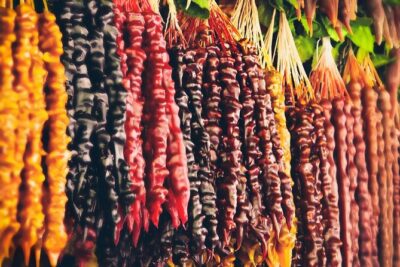
Private Tour From Tbilisi to Kakheti Sighnaghi with Wine Tasting
Read our review →
Adventure in Kakheti – Bodbe, Sighnaghi, wine tasting (Private Experience)
Read our review →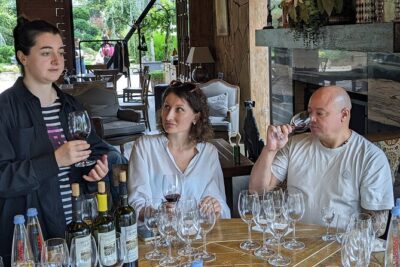
Private Kakheti Tour organic Wine Tasting with Lunch
Read our review →Browse the lists this tour appears in