
Reviewed · TOURS IN TBILISI
Cook True Ajarian Khachapuri and Khinkali in Highlanders Style
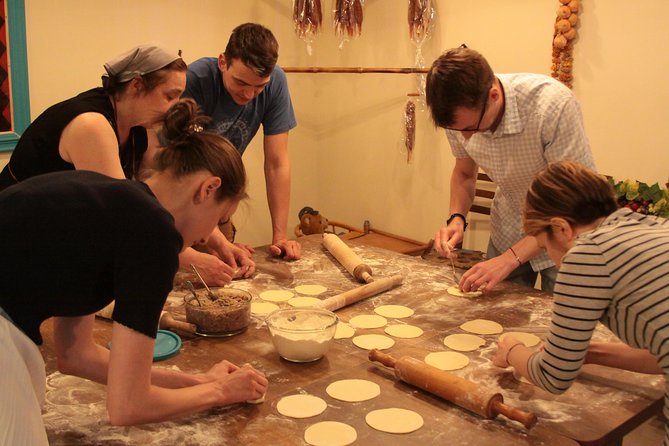
The best part of this Tbilisi experience is that you do not just eat Georgian food, you learn how it is made in a warm, home-style kitchen. You will shape boat-shaped Adjarian khachapuri, fold khinkali, and sit down to eat the results with homemade wine.
I like the hands-on format and the chance to learn from hosts such as Irina, Ella, and Tamara, who are praised for patient teaching and friendly conversation. I also like the practical touch: you can ask for recipes, take notes, and choose a vegetarian filling for the khinkali.
The main consideration is timing. The class lasts about two and a half hours, and the food is filling, so arrive hungry but do not expect a quick demonstration. Cheese and eggs are used in the cooking, and any extra drinks or snacks cost more.
Key points to know before booking
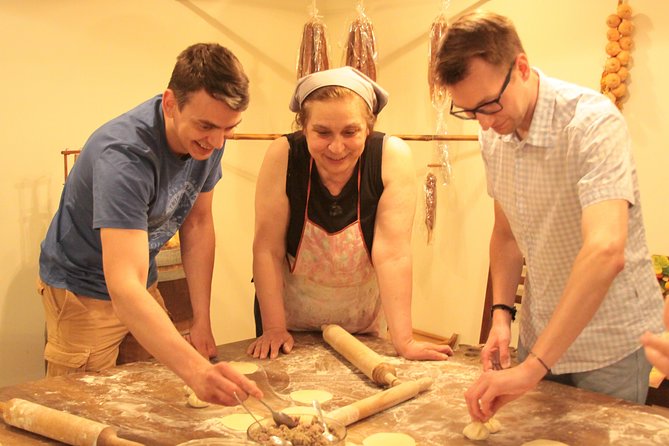
- You make two Georgian classics: Adjarian khachapuri and roughly five or six khinkali per person.
- The setting is homey: The workshop is described as a cozy cooking space, and sessions may take place in a host’s apartment.
- Instruction is patient and practical: Irina is known for explaining steps in English and Russian, with plenty of time for questions and notes.
- Vegetarian khinkali can be requested: The meat filling can be changed, though the class still uses cheese and eggs.
- A glass of homemade wine is included: Other drinks and snacks can be ordered separately.
- The experience is sold as private: Confirm the arrangement if having only your own group matters to you.
Meeting the hosts at Chakandrila
Your meeting point is Biblusi at number 8 Merab Kostava Street in Tbilisi. From there, the cooking takes place at Chakandrila, described as a cozy workshop and, in some sessions, a host’s apartment.
That home setting matters. Georgian food is closely tied to family meals, hospitality, and generous portions. Making the dishes in a personal kitchen feels different from sitting at a restaurant table with a finished plate in front of you. You see the work involved, ask questions as you go, and get a better sense of how these foods fit into daily Georgian life.
The host names associated with the class include Irina, Ella, and Tamara. Irina receives particular praise for being patient with beginners, translating explanations when needed, and letting participants write down the recipes. Ella and Tamara are also described as warm, capable cooks who create a relaxed atmosphere.
The provider describes this as a private activity, meaning your own group should be the only group booked. Still, the experience may vary by host and date, so ask for clarification if you are booking specifically for a private family celebration or a romantic occasion.
A few more things to do in Tbilisi worth a look
- Small-Group Khinkali and Khachapuri Cooking Class in Tbilisi
★ 4.5 · 224 reviews - Nana’s Kitchen – traditional Georgian cooking class at real Georgian family home
★ 5.0 · 37 reviews - Join a Local for a Market Tour, Cooking Class and Meal in her Tbilisi Home
★ 5.0 · 15 reviews
Starting with Adjarian khachapuri
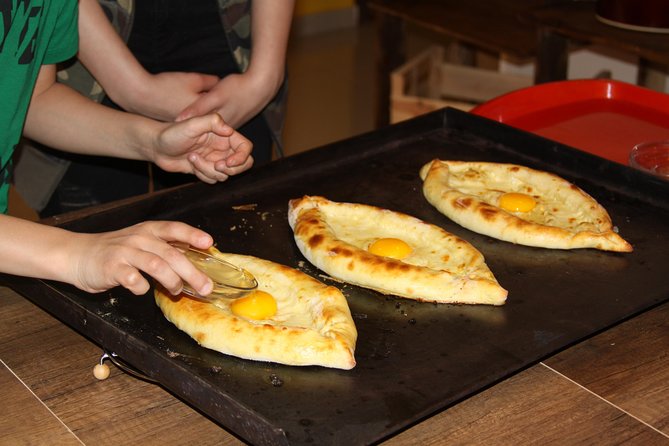
Adjarian khachapuri is one of Georgia’s most recognizable dishes. The dough is formed into a boat, filled with cheese, and finished with egg and butter. It is hearty, rich, and designed to be mixed together before eating.
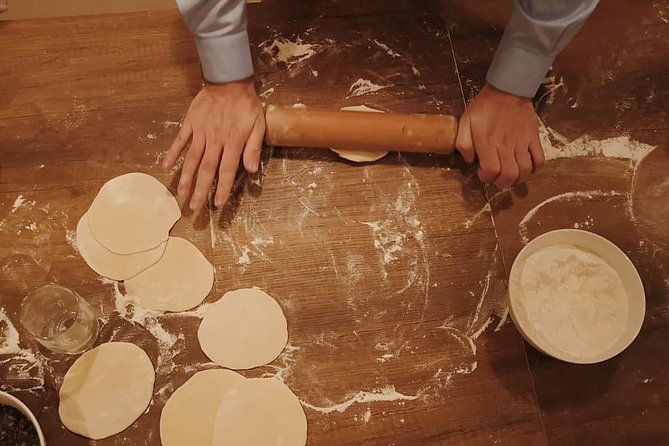
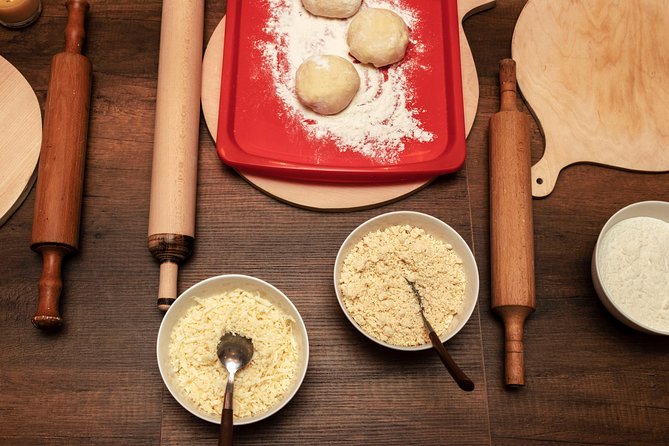
The class gives you more than a taste of the dish. You learn how the dough and filling come together, then shape your own version. One useful detail is that the dough needs about two hours of resting time ahead of cooking. That means the host may prepare the dough in advance so the class can fit into its advertised two-and-a-half-hour schedule.
This is worth knowing if you expect to make every single step from raw ingredients during the lesson. You will still take part in the important shaping and cooking work, but the dough-resting stage may already be handled. That is a sensible compromise for a short class, not a flaw, as long as you understand the format.
The finished khachapuri is served as part of your lunch. You get to eat what you made while it is fresh, which is a much better lesson in texture and seasoning than simply watching a chef prepare a sample.
Folding khinkali by hand

Khinkali are Georgian dumplings, usually filled with seasoned meat and broth. Their pleated tops can look simple when an experienced cook makes them, but shaping them neatly takes practice. This is where the class becomes especially useful for beginners.
You will work with the filling and dough, then learn how to fold the dumplings. The class includes five or six khinkali for each person, enough to make the practice worthwhile without turning the meal into an enormous dumpling marathon.
The teaching style is one of the strongest reasons to book. Irina is repeatedly described as patient with clumsy hands and beginners. That is important here because khinkali are not the sort of food you master by watching one demonstration from across a room.
Ask for the vegetarian version when you book or at the start of the session. The meat-based filling can be changed, but the general class still uses cheese and eggs. If you avoid either ingredient, this may not be the right cooking class for you.
Eating the meal you prepared
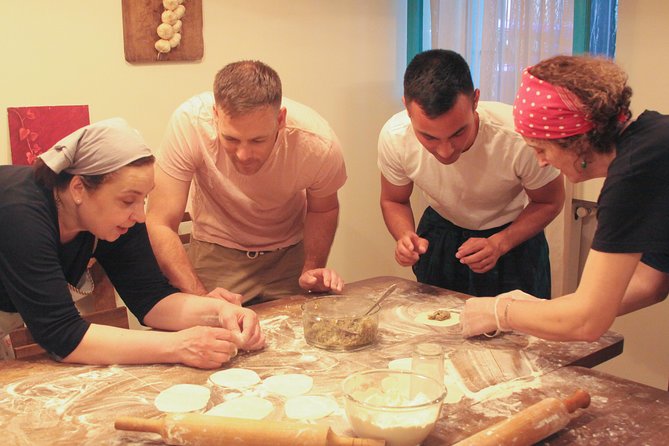
The meal includes one Adjarian khachapuri and five to six khinkali per person. That is a substantial lunch, especially when paired with the cheese, egg, and dough in the khachapuri.
A glass of homemade wine is included. It adds to the Georgian table experience without making the class primarily a wine event. Non-alcoholic drinks are available, and other food or drinks can be ordered at an extra cost.
I would arrive hungry and keep your schedule afterward fairly light. The class is not only a lesson followed by a small tasting. You are making and eating a proper meal. Sharing the table also gives you time to talk with the host and other people in the room, depending on the final group arrangement.
The food is the main reward, but the meal also gives you a chance to judge what you learned. You can compare the texture of your dumpling folds, see how the cheese and egg work together in the khachapuri, and ask what you should change when cooking at home.
Same base, a different sort of day:
- Day Trip to Kakheti Wine Region Including 9 Wine Tastings
★ 5.0 · 2,774 reviews - Highlights of Caucasus Mountains-Jinvali,Ananuri,Gudauri,Kazbegi(Group tour)
★ 5.0 · 2,682 reviews - Day Trip to Kazbegi and Gudauri
★ 5.0 · 2,009 reviews - Day Trip to Mtskheta Gori and Uplistsikhe
★ 5.0 · 1,801 reviews
Why the home setting adds value
Tbilisi has no shortage of restaurants serving khachapuri and khinkali. A cooking class needs to offer something beyond a meal, and this one does that through personal contact.
The host’s home or home-style kitchen provides a more intimate setting than a restaurant. You may hear family stories, discuss Georgian food customs, and see the host’s own way of preparing familiar dishes. Several class descriptions emphasize the welcoming atmosphere, with participants feeling more like visitors in someone’s kitchen than customers at a commercial venue.
That warmth is not just decoration. It makes it easier to ask basic questions, make mistakes, and repeat a step. If you already cook often, you may value the small practical details. If you rarely cook, the friendly setting can keep the class from feeling intimidating.
The tradeoff is that a home kitchen may not offer the polished space or specialized equipment of a professional culinary school. You are choosing personal contact and local character over a formal teaching studio. For most people booking this activity, that is the point.
What the teaching is like
The class is offered in English. Irina is also described as speaking Russian, and she has taught in both languages when a group needed it. That can be helpful in a mixed-language session.
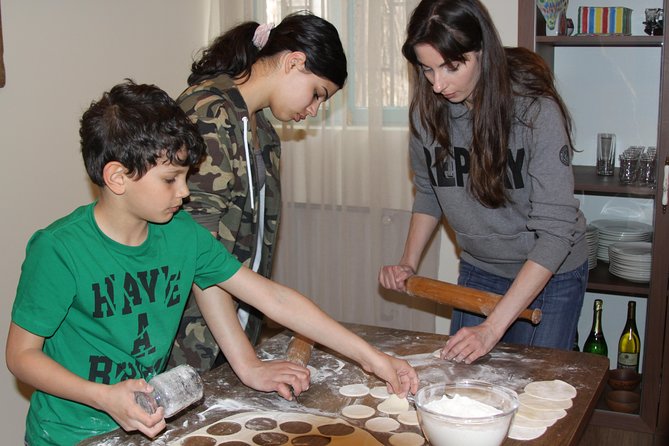
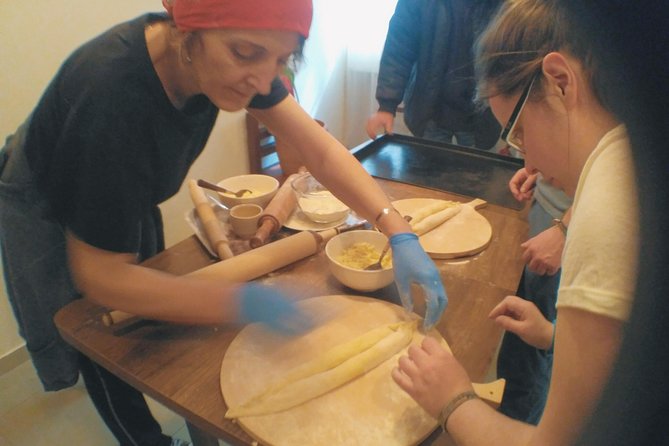
The instruction begins with an explanation of the ingredients and moves through the preparation step by step. You should have time to watch, work, ask questions, and take notes. Hosts have also allowed photos and videos, which is useful when you want to remember the folding technique later.
The best sign of a good cooking class is whether you can repeat the dish at home. This one makes a real effort in that direction. Recipes and ingredient details can be shared, and the teaching is aimed at helping you reproduce the food rather than simply admire it for one meal.
Do not expect professional-chef precision from the first dumpling. The class is suitable for people who are not confident cooks, and the friendly approach seems designed to make mistakes part of the fun.
Time, location, and practical value
The experience lasts about two hours and 30 minutes. That gives you enough time for preparation, cooking, eating, and conversation, but it is not a full-day food course.
The location is near public transportation, which makes it fairly easy to fit into a day of exploring Tbilisi. The activity ends back at the meeting point. Allow a little extra time around the start, since the meeting point and the actual cooking space may not feel like the same type of location.
At $39 per person, the value is solid if you want both a meal and a cultural activity. You receive a filling lunch, a glass of homemade wine, direct instruction, and recipes or practical guidance that can continue to pay off after your trip.
The price is less compelling if you only want to sample Georgian food. A restaurant meal will be simpler and may cost less, depending on what you order. Here, you are paying for the time, personal attention, kitchen access, and chance to make the dishes yourself.
The class is often booked around 19 days in advance on average. That suggests you should not leave it until the last day of a short Tbilisi visit, especially if you want a particular date or host. Confirmation is sent within 48 hours, subject to availability.
Who will enjoy this class most
I would recommend this experience to you if you like food, enjoy meeting local people, or want a break from standard sightseeing. It also suits couples, families, and small private groups looking for an activity that gives everyone something to do.
It is a good fit for beginners. You do not need polished cooking skills, and the hosts are known for guiding people through the difficult parts. It also works well for experienced home cooks who want Georgian recipes and techniques to take back to their own kitchen.
Vegetarians should ask for the meat-free khinkali option. The class is not suitable for someone who must avoid cheese or eggs, since both are used in the cooking.
This may not suit you if you want a highly formal culinary school, a large menu, or a class where every ingredient is prepared from the first stage in front of you. It is focused on two famous dishes, taught in an informal home setting.
Booking and cancellation details
You can cancel for a full refund up to 24 hours before the start time. Changes or cancellations made less than 24 hours before the activity are not accepted for a refund, and cut-off times follow local time in Tbilisi.
Because confirmation depends on availability, book ahead and check the meeting instructions once your reservation is confirmed. If you have dietary needs, mention them early rather than waiting until the class begins.
Should you book it?
Yes, if you want a personal introduction to Georgian cooking rather than another restaurant meal. The strongest reasons are the hands-on work, the patient teaching associated with Irina and the other hosts, the home-style setting, and the chance to leave with recipes you can actually use.
Book with two expectations in mind: the dough for khachapuri may be prepared ahead because it needs a long rest, and the class uses cheese and eggs. If those points work for you, $39 buys a generous meal and a useful slice of everyday Georgian hospitality. You will leave with full plates, flour on your hands, and a better chance of making khinkali again at home.
FAQ
Where does the cooking class meet?
The meeting point is Biblusi at number 8 Merab Kostava Street in Tbilisi, Georgia. The cooking takes place at Chakandrila, described as a cozy workshop and, in some sessions, a host’s apartment.
How long does the experience last?
The class lasts approximately two hours and 30 minutes. It ends back at the meeting point.
Which dishes will I make?
You will make Adjarian khachapuri, the traditional boat-shaped cheese pie, and khinkali, Georgian dumplings traditionally filled with meat.
Can I request vegetarian khinkali?
Yes. Meat-based dishes can be switched to vegetarian options. The class still uses cheese and eggs.
What is included in the price?
Each person receives lunch consisting of one Adjarian khachapuri and five to six khinkali. A glass of homemade wine is also included.
Can I cancel for a full refund?
Yes. You can cancel up to 24 hours before the experience start time for a full refund. Cancellations or changes made less than 24 hours before the start time are not accepted for a refund.
Just added in Tbilisi
- Soviet Story – Private day trip to Chiatura, Stalin’s museum and Katskhi pillar★ 4.5 · 15 reviews
- Full Day Tbilisi City Tour with Wine Tasting & Cable Car Ride★ 5.0 · 18 reviews
- Tbilisi Walking Tour Including Cable Car and Wine Tasting★ 5.0 · 16 reviews
- 8-Day Trekking Group Tour in Svaneti★ 5.0 · 21 reviews
- Private five days tour to Svaneti-Mestia, Ushguli, Becho,Chalaadi★ 5.0 · 21 reviews
- Join a Local for a Market Tour, Cooking Class and Meal in her Tbilisi Home★ 5.0 · 15 reviews
- Chiatura and Katskhi Pillar One Day Urbex Tour★ 5.0 · 14 reviews
- Private Full Day Skiing Trip To Gudauri from T’bilisi★ 5.0 · 26 reviews
Tours in Tbilisi, compared.
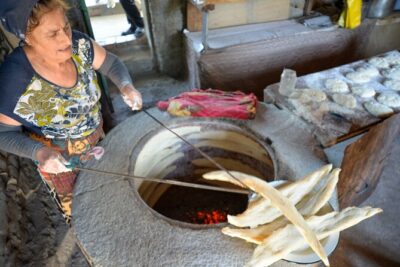
Day Trip to Kakheti Wine Region Including 9 Wine Tastings
Read our review →
Highlights of Caucasus Mountains-Jinvali,Ananuri,Gudauri,Kazbegi(Group tour)
Read our review →
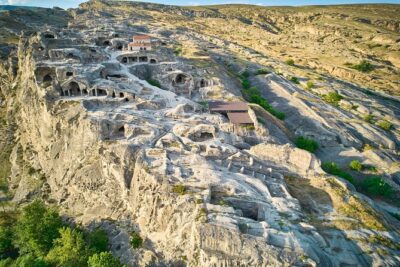

Tbilisi Walking Tour Including Cable Car and Traditional Bakery
Read our review →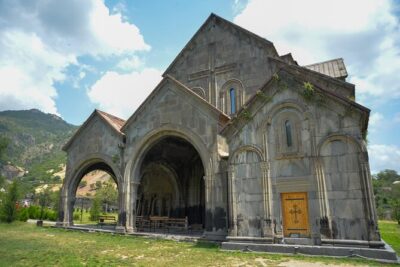

Kakheti Wine Region: Signagi and Bodbe Tour with 10 Wine Tastings
Read our review →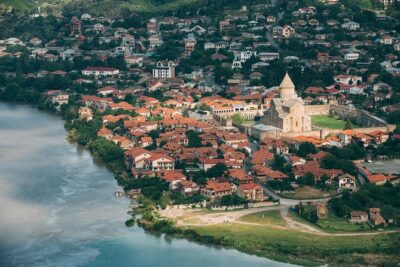
Mtskheta,Jvari,Bazaar,wine tasting,Chronicles of Georgia
Read our review →Browse the lists this tour appears in