
Reviewed · WALKING TOURS
Classic Tbilisi Walking Tour
Tbilisi reveals itself best on foot, and this route gives you a strong first look at the city in about three hours. You move from renovated streets and old churches to the futuristic Bridge of Peace, then rise by cable car to Narikala Fortress for broad views over the Mtkvari River and the old city.
I like the clear start-to-finish route and the mix of old and new. I also like that the cable-car ticket is included, since it saves you a separate purchase and adds a memorable ride. The main consideration is the price: at $134 per person, it is expensive for a three-hour walking tour, especially if you are traveling alone or on a tight budget.
Key points to know before booking
- A smart first-day route: You cover several central districts without needing a vehicle.
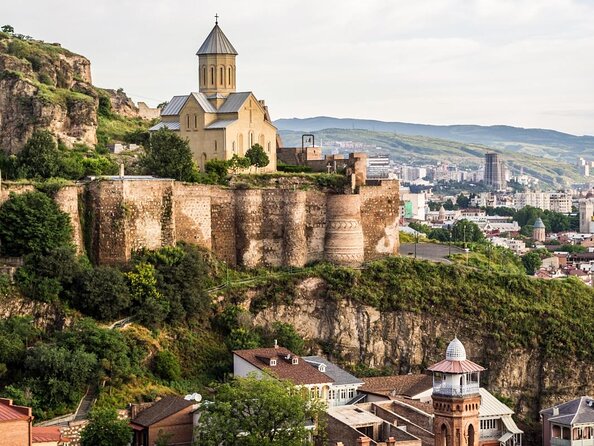
- The cable car is included: Ride from the city up to Narikala Fortress, then walk downhill toward the sulfur baths.
- Church visits require proper dress: Women need a head scarf and dress, while men should wear long trousers.
- Expect hills and stairs: The route climbs toward the Lower and Upper Betlemi Churches and Narikala.
- The guide shapes the experience: Eka is specifically praised for fluent English, humor, flexibility, and strong knowledge of Georgian culture.
- The group may be large: The stated maximum is 99 people, so ask about the expected group size if personal attention matters to you.
Why this Tbilisi walk works as an introduction
Tbilisi can feel confusing at first. Its old streets twist up hills, its districts change character quickly, and the city’s past includes Georgian kingdoms, Persian and Russian influence, Soviet rule, and a modern push toward renewal. This walk gives you a basic map in your head before you explore on your own.
The route begins at Freedom Square and ends in Abanotubani, the area famous for sulfur bathhouses. That direction makes sense. You start in the central part of town, climb through the older hillside quarters, take the cable car up to Narikala, and then descend toward the bath district.
I like tours that leave me somewhere useful rather than returning me to the starting point. After this one, you can continue exploring around Meidan Square, visit a sulfur bath, or walk along the Mtkvari River. The end point, near the Monument Fountain of Falcon and Pheasant, is also easy to identify.
The tour is offered in English and starts at 10:00 am. You meet near the old city hall at the Chronograph store on Freedom Square. Arrive early enough to find the exact meeting point without rushing.
A few more things to do in Tbilisi worth a look
- Tbilisi Walking Tour Including Cable Car and Traditional Bakery
★ 5.0 · 1,310 reviews - Tbilisi:Evening Walking & Talking Tour with Wine & Boat Ride
★ 5.0 · 572 reviews - Old Tbilisi Highlights walking tour with wine & 10 tastings
★ 5.0 · 276 reviews
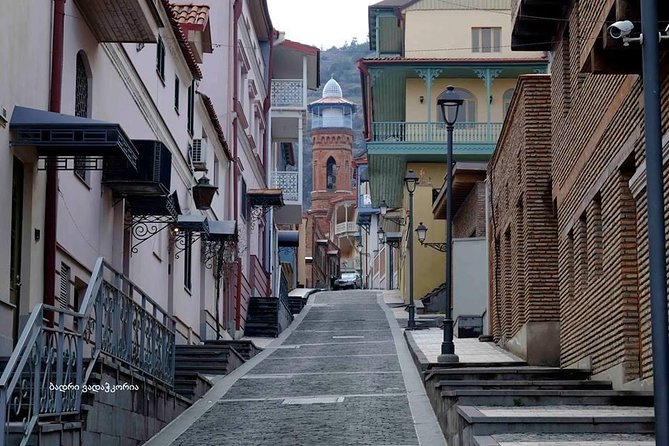
Freedom Square and the renovated Sololaki streets
Freedom Square is a practical place to begin. It is central, easy to reach by public transport, and surrounded by several important streets. The tour uses the square as a doorway into Sololaki, one of Tbilisi’s older central districts.
The first section lasts about 15 minutes and is free to enter. Your guide introduces the city while you walk through recently renovated streets. This is a useful opening because the architecture and street plan begin to show how Tbilisi blends formal central avenues with older residential quarters.
Do not expect a long museum-style lecture here. The value is in getting your bearings and learning how the central city connects to the old town. Your guide can also help explain the changes Tbilisi went through during the Soviet period, which is one of the stated themes of the walk.
That Soviet-era focus adds useful context. Tbilisi is not only a city of ancient churches and fortress walls. Its recent past still shapes the streets, buildings, public spaces, and local identity you see today.
Lado Gudiashvili Square and the climb toward Kldisubani
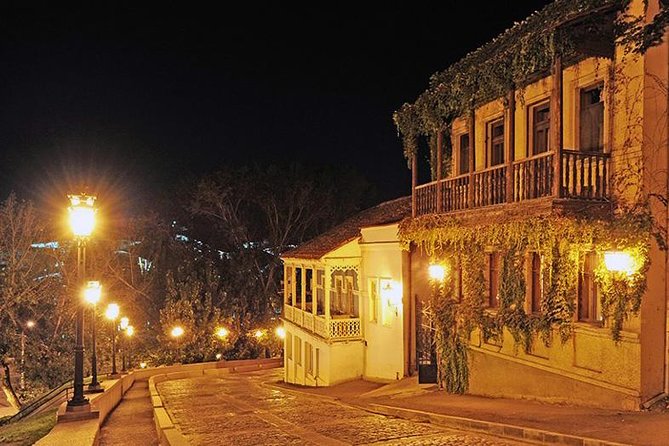
After Freedom Square, you continue to Lado Gudiashvili Square. The square has recently been renovated and gives the tour another chance to show how Tbilisi is repairing and presenting its older urban areas.
From here, the route follows Asatiani Street toward Kldisubani. This section takes roughly 15 minutes. It is short, but it begins the shift from the broad central spaces around Freedom Square to narrower streets and rising ground.
You should think of this as a walking tour with real elevation changes, not a flat city stroll. Comfortable shoes matter. The route becomes more demanding soon, especially as you head toward the Betlemi Churches.
The renovation work may appeal to you if you like seeing cities in transition. It can also make parts of the walk feel more polished than untouched. That is not necessarily a fault, but the tour gives you a view of both Tbilisi’s old fabric and its current redevelopment.
Lower and Upper Betlemi Churches
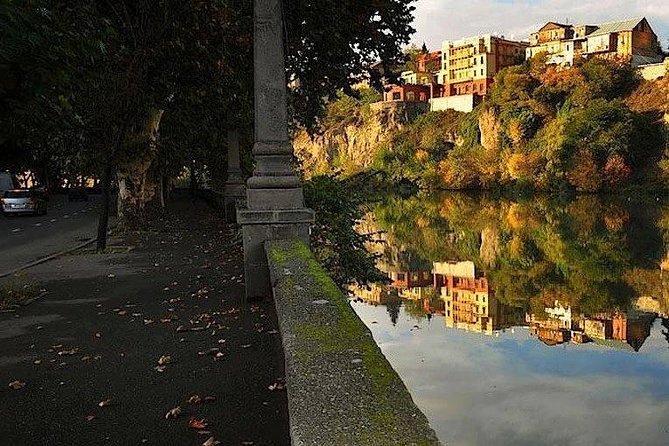
The route climbs to the Lower and Upper Betlemi Churches, with about 30 minutes here. You also see the remains of a Zoroastrian Ateshgah fire temple dating to the fifth century.
This is one of the most interesting stops because several layers of religious history meet in a compact hillside area. The churches reflect Georgia’s Christian tradition, while the fire-temple remains point to an older period and the influence of Zoroastrian belief in the region.
The walk up is the catch. You need to manage stairs and uneven or sloping streets, and the climb may feel harder in hot weather. The reward is the outlook around the churches, where the hillside position opens views across parts of Tbilisi.
Dress with the church visit in mind. Women are expected to wear a head scarf and a dress, while men should wear long trousers. The supplied information does not specify whether scarves are provided, so bring one with you. It is a small item that avoids an awkward problem at the door.
I especially like this stop for readers who want more than a quick photo. The churches and fire-temple remains give your guide a chance to explain how faith, empire, and neighborhood life have overlapped in Tbilisi for centuries.
Same base, a different sort of day:
- Day Trip to Kakheti Wine Region Including 9 Wine Tastings
★ 5.0 · 2,774 reviews - Highlights of Caucasus Mountains-Jinvali,Ananuri,Gudauri,Kazbegi(Group tour)
★ 5.0 · 2,682 reviews - Day Trip to Kazbegi and Gudauri
★ 5.0 · 2,009 reviews - Day Trip to Mtskheta Gori and Uplistsikhe
★ 5.0 · 1,801 reviews
The Bridge of Peace over the Mtkvari River
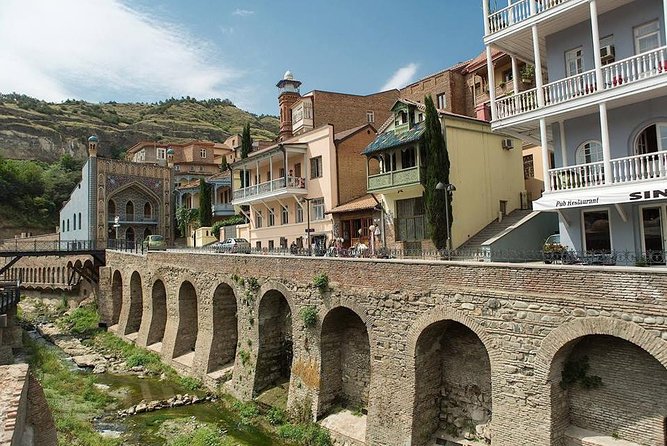
The next major stop is the Bridge of Peace, a modern pedestrian bridge made of glass and steel. Its bow-like form crosses the Mtkvari River and creates a sharp contrast with the older quarters on the hillside.
The tour allows about 30 minutes here. That is enough time to cross the bridge, take in the river corridor, and hear how the modern structure fits into the city’s changing center.
You may like the bridge, or you may find it visually loud beside the older buildings. Either reaction is fair. Its importance on this walk is not only architectural. It shows the contrast between Tbilisi’s historic core and its newer public projects.
This is also a good point for photographs, since you can look back toward the old city and up toward the fortress. The bridge makes the city’s vertical shape easier to understand: river below, old neighborhoods rising on the slopes, and Narikala above them.
Riding the cable car to Narikala Fortress
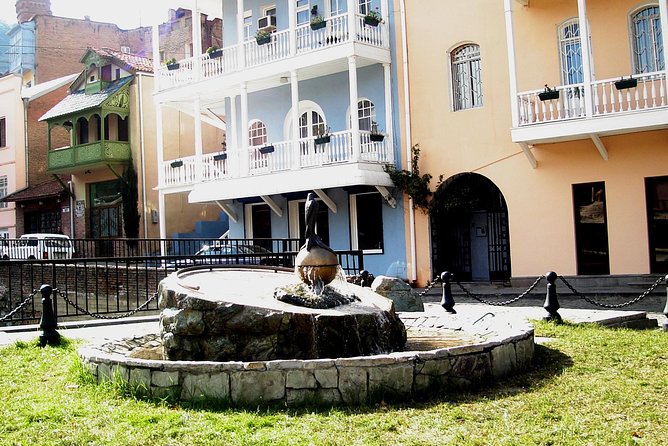
The cable car is the tour’s clearest practical bonus. Your guide takes you to the aerial cable-car station, and the ride up to Narikala Fortress is included in the price.
The ascent changes your view quickly. Instead of seeing Tbilisi from street level, you look across the Mtkvari and over the old city from above. The ride itself is brief, but it saves you a steep uphill walk and adds a pleasant break after the stairs around Betlemi.
You have about one hour assigned to Narikala Fortress, the longest stop on the route. The fortress dates to the fourth century and sits high above the city. From here, you get some of the clearest views of Tbilisi included in this tour.
The fortress is also where the city’s geography makes sense. You can see how the river cuts through the center and how the old neighborhoods gather below the hill. Your guide can connect the physical setting to the city’s past, including the Soviet-era changes that are harder to understand from a single street.
Wear shoes with a firm grip. Fortress paths and hilltop walking can be tiring, and the tour operates in all weather. In rain, the route may feel slippery. In strong sun, the exposed hill can feel warm. Dress for the forecast and carry water, since lunch is not included.
The stated maximum group size is 99 people. That is a large possible group for a fortress visit and may affect how easily you hear the guide. The actual number on your date may be smaller, but if a quiet, personal tour is important to you, ask before booking.
Downhill to Abanotubani and Meidan Square
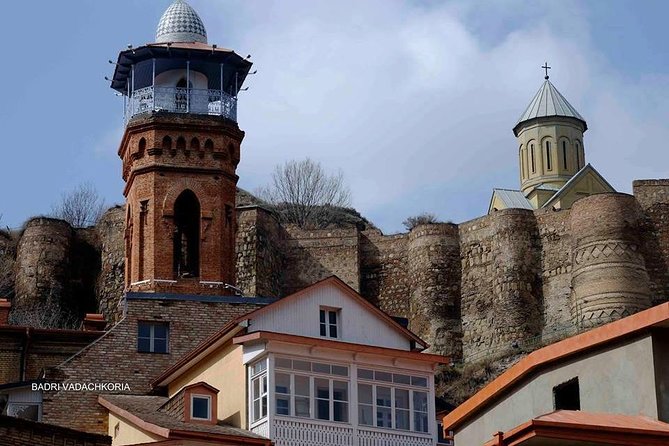
After Narikala, you head down toward Abanotubani, the sulfur bathhouse district. This final section takes about 30 minutes and ends near the Monument Fountain of Falcon and Pheasant.
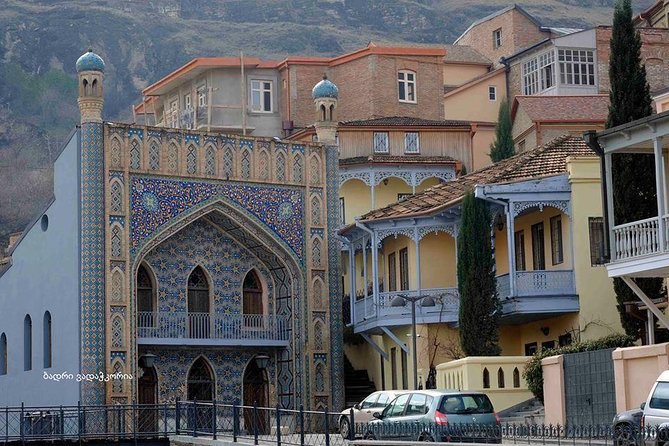
The downhill direction is welcome after the climb. You move through the old-town area toward Meidan Square and its surrounding streets. This is where the walk feels most connected to the Tbilisi many people come to see: older lanes, bathhouse domes, hillside views, and a busy central meeting area.
Meidan Square is a good place to continue your day. The tour does not include lunch, dinner, or hotel transportation, so you are free to make your own plans afterward. You can also use the location as a base for further independent walking.
Ending at Abanotubani is one of the route’s practical strengths. You are not left at an isolated attraction. You finish in one of Tbilisi’s best-known central districts, close to places you may want to visit next.
Guide quality and the human side of the tour
A walking tour lives or dies by its guide. The route has plenty to see, but the explanation is what turns a sequence of stops into a useful introduction.
Eka is specifically named as a guide who is friendly, funny, flexible, and fluent in English. Those qualities matter here. The route crosses religious sites, modern architecture, fortress remains, and neighborhoods shaped by different periods. A guide who can adjust to questions and explain the links between them makes the three hours more valuable.
Another guide was described as a positive source of information about Georgia who could answer every question. You should still keep expectations sensible. The tour has a fixed route and a maximum group size of 99, so it may not feel like a private walk.
The best time to book it is near the start of your stay. You get a city overview, learn the basic layout, and can return later to the places that interest you most. If you already know Tbilisi well, the route may feel less useful unless you mainly want the fortress views and an organized cable-car visit.
Is $134 a fair price?
At $134 per person, this is not a budget walking tour. The price includes a professional English-speaking guide and the aerial cable-car ride, but not meals, tips, hotel pickup, hotel drop-off, or vehicle service to and from attractions.
The cable-car ticket has real value, and the route covers a lot in three hours. You visit six significant points, cross much of the central old city, and finish in a convenient district. Group discounts may also improve the price for larger bookings.
Still, I would compare the cost with the size of your group and your interest in guided history. If you mainly want to walk around and take photos, you may find the price hard to justify. If you want a structured introduction, clear explanations, and help with the city’s complicated past, the cost becomes easier to defend.
Tips are not included. Lunch and dinner are also separate, so budget for those after the tour if you plan to keep exploring.
Who should book this walk?
I would recommend it to a first-time visitor who wants orientation without spending a full day on a tour. It suits you best if you enjoy history, city views, religious architecture, and a mixture of old and new design.
It is also a good fit if you want to see Narikala but would rather avoid making your own cable-car arrangements. The included ride removes one small piece of planning.
You should think twice if stairs are difficult for you, if you need a slow pace, or if you want a very small group. The route climbs toward the Betlemi Churches and Narikala, and the possible group size is large.
The tour runs in all weather, so bring suitable clothing. Free cancellation is available if you cancel at least 24 hours before the 10:00 am start time. Changes or cancellations made inside that window are not accepted for a refund.
Should you book the Classic Tbilisi Walking Tour?
Book it if you want a strong first orientation, an English-speaking guide, and the cable-car ride to Narikala bundled into one route. The combination of churches, fortress views, Soviet-era context, the Bridge of Peace, and Abanotubani gives you a useful picture of Tbilisi in a short time.
Skip it if $134 feels too high for three hours, or if you prefer exploring slowly on your own. For the right visitor, especially someone arriving for a short stay, the route saves planning time and leaves you in a good part of town for the rest of the day.
FAQ
Where does the Classic Tbilisi Walking Tour start?
The tour starts at 10:00 am at the Chronograph store near Freedom Square, close to the old city hall, in Tbilisi.
Where does the tour end?
The tour ends in Abanotubani near the Monument Fountain of Falcon and Pheasant.
How long does the tour last?
The tour lasts approximately three hours.
Is the cable-car ride included?
Yes. The aerial cable-car ride to Narikala Fortress is included.
Is the tour offered in English?
Yes. The tour is offered in English.
What should women wear for the church visits?
Women are expected to wear a head scarf and a dress when entering the churches.
What should men wear for the church visits?
Men are expected to wear long trousers.
Can I cancel for a full refund?
Yes. You can cancel for a full refund up to 24 hours before the experience start time. Cancellations or changes made less than 24 hours before the start are not accepted for a refund.
Just added in Tbilisi
- Private Adorable City Tour of Tbilisi★ 5.0 · 3 reviews
- Tbilisi Airport to Gudauri, Bakuriani, Batumi, Tbilisi★ 5.0 · 3 reviews
- full day Kazbegi-Gudauri-jvari -from Tbilisi★ 5.0 · 6 reviews
- Old tbilisi walking tour & wine tasting★ 5.0 · 9 reviews
- Your unique photo session in Tblisi, Georgia★ 3.5 · 4 reviews
- Wine promenade in hospitable Tbilisi★ 5.0 · 17 reviews
- Vardzia. Lake Paravani, Khertvisi & Lomisa castle, Rabati★ 4.5 · 12 reviews
- Private Wine Tour In Kakheti Region with 7 Wines and Lunch★ 5.0 · 3 reviews
Walking Tours, compared.

Tbilisi Walking Tour Including Cable Car and Traditional Bakery
Read our review →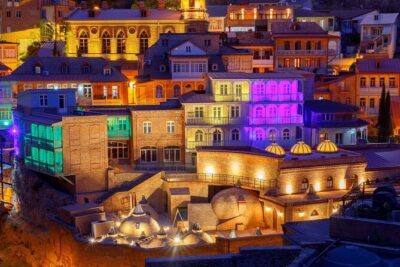
Evening Walking & Talking Tour with Wine & Boat Ride
Read our review →
Old Tbilisi Highlights walking tour with wine & 10 tastings
Read our review →
Old Tbilisi Tour: Private Walking Tour With Wine Tasting
Read our review →
Private Tbilisi Food Tour: 9 Tastings Walk in Bohemian District
Read our review →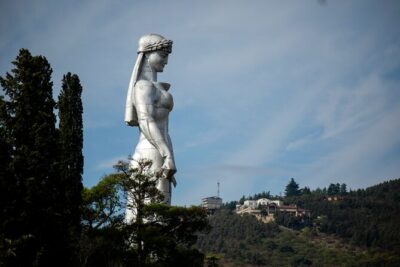
Tbilisi Old Town Walking Tour with a Local Guide
Read our review →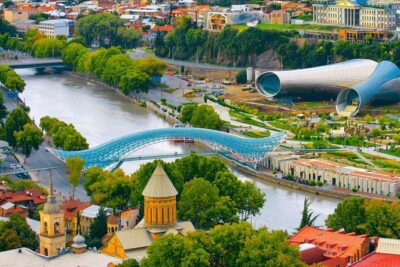
Discover Tbilisi: Hidden Gems and Iconic Sights Walking Tour
Read our review →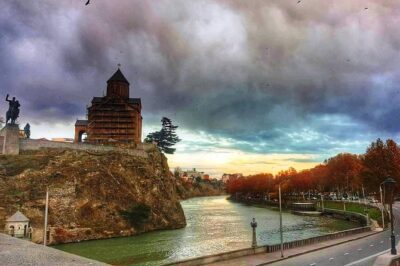
Browse the lists this tour appears in