
Reviewed · MTSKHETA & JVARI TOURS
Gori-Uplistsikhe Mtskheta-Jvari one Day private Tour
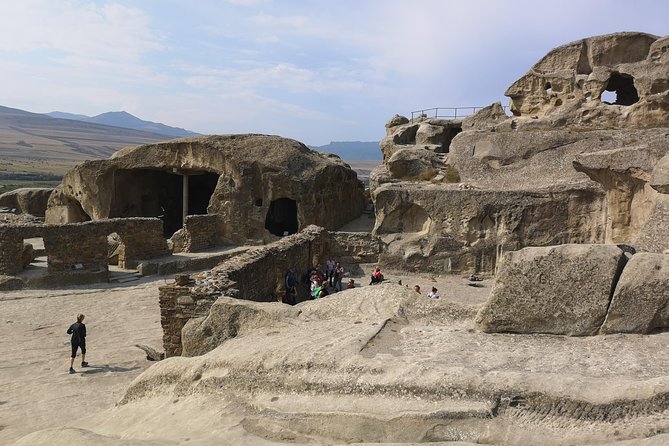
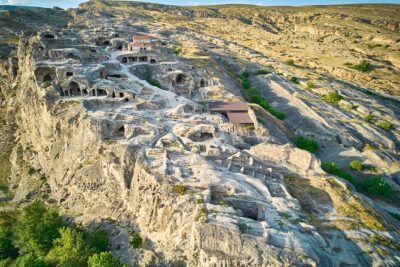
Uplistsikhe is the star of this day. Cut into a cliff above the Mtkvari River, this ancient town mixes pagan temples, Christian spaces, tunnels, halls, and homes in one remarkable stop. Add Stalin’s birthplace in Gori and Georgia’s two great church monuments at Mtskheta and Jvari, and you get a compact lesson in the country’s ancient, medieval, and modern past.
I like the private format, especially for a group of up to four. You have your own air-conditioned vehicle, bottled water, and the freedom to spend your Gori stop at the Stalin Museum or use that time elsewhere in town. I also like the unusual range of the route: Uplistsikhe feels archaeological, Gori is politically charged, and Mtskheta brings you into Georgia’s Christian heart.
The main drawback is the pace. Seven or eight hours is a lot of road time plus several major sites, and the rock-cut paths at Uplistsikhe require moderate fitness. Lunch is not included, and the schedule leaves little room for a slow meal or extended browsing.
Key points to know before booking
- Uplistsikhe takes about two hours: Expect uneven rock surfaces, open-air ruins, carved chambers, and a strong sense of the site’s age.
- Gori gives you a choice: Visit the Stalin Museum, with its preserved birth house and personal objects, or take free time in town.
- Mtskheta supplies the sacred heart of the day: Svetitskhoveli Cathedral is an important Georgian religious center and a UNESCO-listed site.
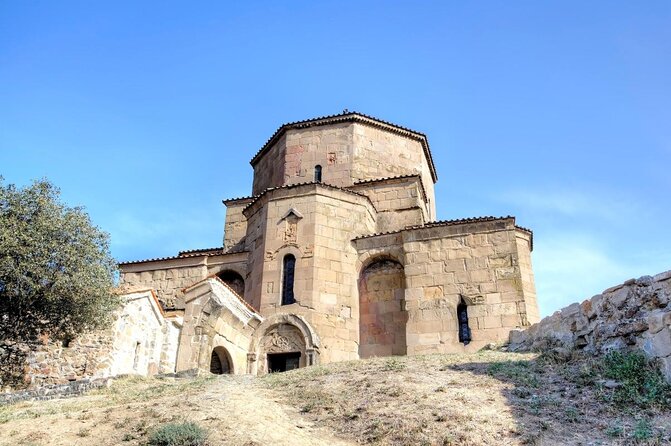
- Jvari provides the best broad view: The sixth-century monastery sits above the meeting point of the Aragvi and Mtkvari rivers.
- The price works best for four people: At $185.49 per group, four people pay about $46 each before lunch.
- Guide David is associated with the experience: He is described as warm, comfortable to travel with, and able to explain Georgian history in Russian.
Why this private route works from Tbilisi
This tour links four places that are difficult to appreciate as disconnected day-trip stops. Uplistsikhe shows Georgia before and during the spread of Christianity. Gori brings you face to face with Joseph Stalin, who was born there. Mtskheta and Jvari show how Christianity shaped Georgian architecture, royal power, and national identity.
The private setup matters here. You are not joining a large group with a fixed pace at every doorway. Only your group participates, with space for up to four people. That makes the outing a good match for families, couples, or friends who want a full day outside Tbilisi without arranging several separate rides.
Pickup is offered, and the stated start time is 9:00 a.m. The total outing lasts about seven to eight hours. That is long enough to cover the route, but not long enough for every site to receive a leisurely visit. I would plan on a focused day, not an unhurried one.
The vehicle is air-conditioned, private, and supplied with bottled water. Fuel is included in the price. Lunch and dinner are not included, so keep money aside for the restaurant stop in Gori.
More old-capital trips from Tbilisi:
- Day Trip to Mtskheta Gori and Uplistsikhe
★ 5.0 · 1,801 reviews - Tbilisi:Mtskheta,Jvari,Bazaar,wine tasting,Chronicles of Georgia
★ 5.0 · 730 reviews - Mtskheta-Gori-Uplistsikhe
★ 5.0 · 112 reviews
Uplistsikhe: two hours among Georgia’s rock-cut ruins
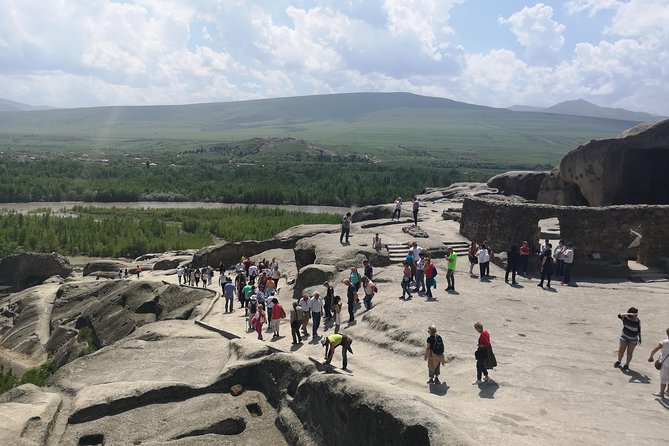
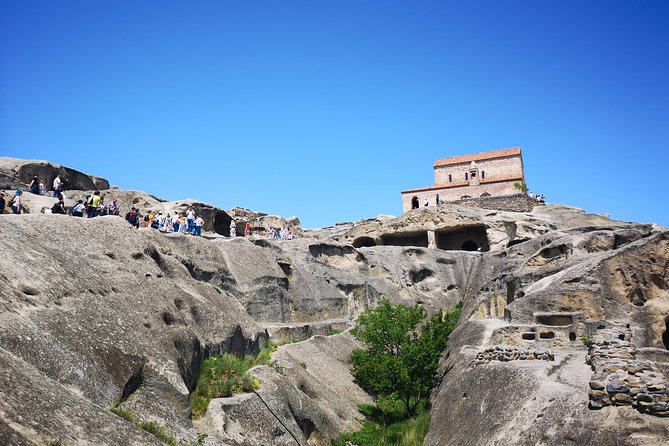
The first major stop is Uplistsikhe, reached at about 11:00 a.m. The name is translated as Fortress of the Lord, and the site is a rock-hewn town on the left bank of the Mtkvari River. Its story reaches back to the second or first millennium B.C.
What makes Uplistsikhe special is not one perfect monument. It is the mix. You move through spaces cut directly from the rock, with remains dating from the early Iron Age through the Middle Ages. Pagan and Christian architecture appear in the same old settlement, reflecting the changes that swept through Kartli over many centuries.
The town once sat on an important trade route linking Byzantium with India and China. That location helps explain why a settlement carved into the cliff could become an important center. You are not simply looking at abandoned rooms. You are seeing a place shaped by commerce, religion, and regional power.
The route here can be physically demanding. The tour information calls for moderate fitness, and that is worth taking seriously. Expect uneven ground and exposed rock rather than a smooth museum floor. Comfortable shoes are a sensible choice, and anyone uneasy on rough paths should take the visit at a steady pace.
Two hours is a useful amount of time. It gives you room to see the main structures and hear the story without turning the stop into an exhausting climb. Still, Uplistsikhe is the part of the day where you may want more time if you enjoy archaeology or photography.
A traditional Georgian lunch in Gori
Around 1:00 p.m., the schedule allows about an hour and a half for lunch at a restaurant in Gori. Traditional Georgian dishes are planned, but the meal is paid separately.
This break is practical as well as pleasant. Uplistsikhe is an active outdoor visit, and the later stops are churches and monasteries where you will want enough energy to pay attention. I would treat the lunch period as a proper pause rather than trying to rush through it.
The information does not specify a set menu or meal price, so budget with some flexibility. Since the tour includes bottled water but not lunch, bring the payment method you normally use for an independent restaurant meal.
Gori and the complicated legacy of Stalin
At roughly 2:45 p.m., you reach Gori and can choose the Stalin Museum or free time in the city. The museum visit is listed as optional in the schedule, although admission is included when you choose that stop. The museum is on Stalin Avenue and includes the house where Joseph Stalin was born, preserved beneath a stone canopy.
Inside, displays recreate scenes from Stalin’s life and present photographs, gifts, and furniture connected with him. The result is an unusual and sometimes uncomfortable visit. You are looking at a museum devoted to a dictator who shaped the twentieth century through state power, repression, and war, while also seeing the modest setting of his birth.
That tension is part of the reason to go. The museum is not a neutral stop in the same way as a medieval church or archaeological site. It raises questions about how political figures are remembered and how a city presents a famous son whose legacy is deeply contested.
You have the option to skip the museum and spend time in Gori instead. That flexibility is useful. If you have little interest in Soviet history, you can avoid paying attention to a subject that may not suit your day. If you do want to understand Stalin’s Georgian origins, the museum gives the stop a clear focus.
The scheduled museum visit lasts about an hour. That is enough for an overview, though anyone with a strong interest in Soviet history may find the time short. Ask the guide about the choice early in the day so the stop fits your priorities.
The guide David is worth noting. The available comments describe travel with him as comfortable and say that he speaks Russian very well and explains Georgian history without pushing too much information at once. That style can be valuable on a day with several complicated subjects, especially at the Stalin Museum.
Other trips west of Tbilisi:
- Mtskheta, Jvari, gori, uflistsikhe, history and panorama (group tours)
★ 4.5 · 107 reviews - Day tour to Chronicles of Georgia, Gori city, Uplistsikhe cave
★ 5.0 · 86 reviews - Ancient Georgia Group Tour: Mtskheta,Jvari, Gori, Uplistsikhe
★ 4.5 · 73 reviews - Mtskheta – Jvari + Gori – Uplistsikhe Tour
★ 5.0 · 49 reviews
Jvari: a sixth-century monastery above two rivers
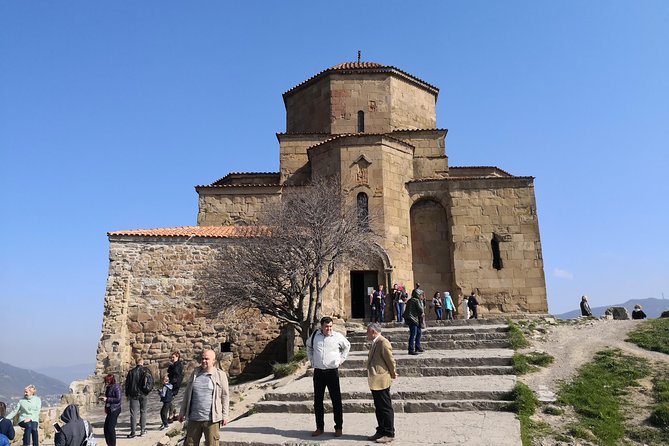
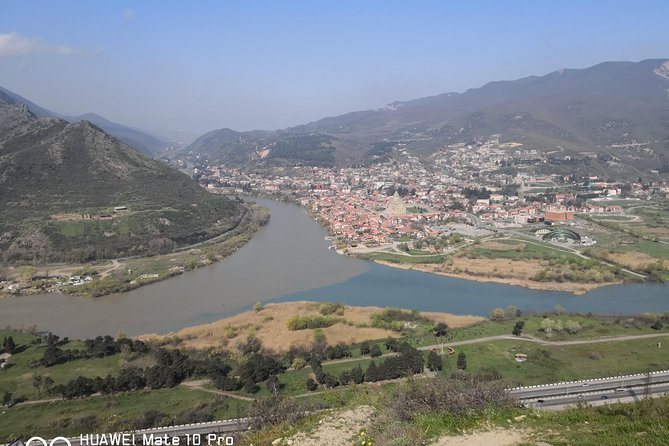
Jvari Church is one of the final major stops. The sixth-century Georgian Orthodox monastery sits on a hill opposite Mtskheta, above the confluence of the Aragvi and Mtkvari rivers.
The place began with a large wooden cross erected soon after Georgia adopted Christianity under King Mirian III. In the second half of the sixth century, the ruler Guaram built a small church beside the Holy Cross. The present site connects those early Christian origins with the development of Georgian church architecture.
Jvari is included on the UNESCO World Heritage list, and its appeal is both historical and visual. From the hill, you can look toward Mtskheta and the meeting of the two rivers. This is the stop where the wider setting helps you understand why the area became so important.
The visit is listed as about an hour, with no admission charge. Because it is an active Georgian Orthodox religious site, modest clothing and respectful behavior are sensible, even though the supplied information does not list a formal dress code.
Jvari is also a useful contrast with Uplistsikhe. At the rock-cut town, you see religious traditions sharing one settlement over time. At Jvari, Christianity is the central architectural and spiritual statement.
Svetitskhoveli Cathedral and Georgia’s sacred center
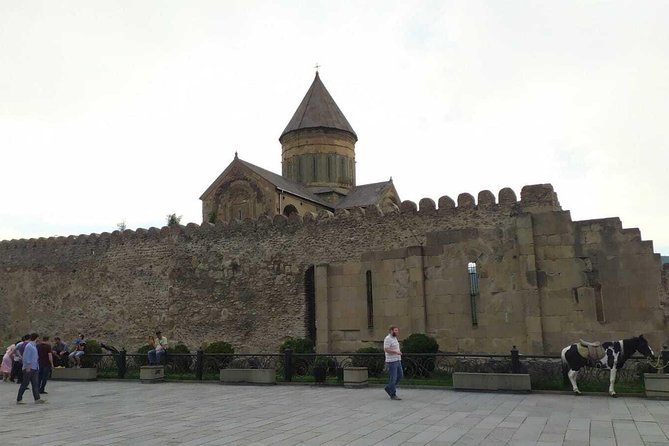
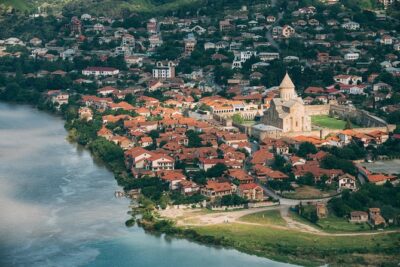
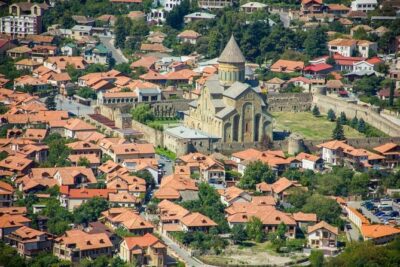
In Mtskheta, Svetitskhoveli Cathedral brings the day’s religious story to its grandest point. The present cathedral dates to the eleventh century and served as Georgia’s religious center for hundreds of years.
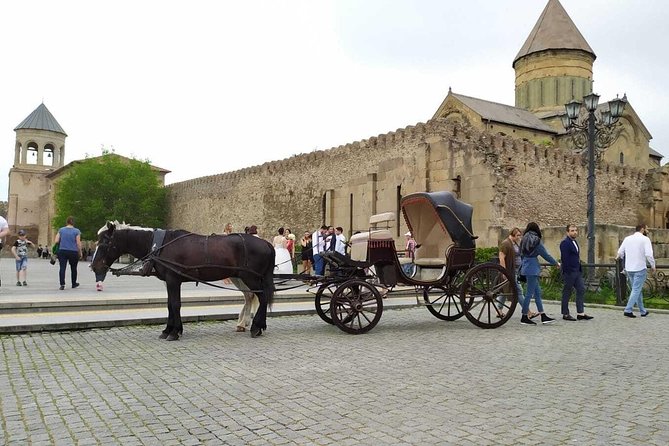
The complex is more than a church building. It includes a gate, bell tower, castles, and clerical residences. Inside, the cathedral is associated with sacred relics said to include Christ’s robe and the mantle of the Prophet Elijah. The tomb of King Vakhtang Gorgasali is also identified with the building.
The cathedral is one of Georgia’s UNESCO-listed sites, and its importance is easy to understand even if you are not an architecture specialist. This is where national history, Orthodox faith, royal authority, and Georgian building traditions come together.
Allow about an hour. You will have time to look at the exterior and interior, listen to the guide, and absorb the atmosphere without needing to make the visit a technical architecture lesson. Photography rules or religious services can affect what you do inside, so follow local signs and the guide’s instructions.
Mtskheta and Jvari are often paired for good reason. Jvari occupies the hill above the rivers, while Svetitskhoveli anchors the historic town below. Seeing both gives you a physical sense of how the region’s sacred sites relate to one another.
What $185.49 means for your group
The price is $185.49 for a private group of up to four people. With four people sharing the vehicle, that works out to about $46.37 per person. For two people, the per-person cost is about $92.75, so the value depends heavily on your group size.
The price includes private transportation, an air-conditioned vehicle, fuel surcharge, bottled water, and admission to the Stalin Museum if you select that visit. Jvari and Svetitskhoveli do not charge admission according to the supplied details.
Lunch and dinner are extra. The tour includes a restaurant stop for lunch, but you pay for the meal yourself. That is normal for a private day tour and gives you some control over what you order, but it means the headline price is not the full cost of the day.
For four people who value a private vehicle and guide, the price is attractive. You are covering a wide route without having to coordinate separate transport between Tbilisi, Gori, Uplistsikhe, and Mtskheta. For a solo visitor or couple, the cost is less of a bargain, though the private format may still be worth it if comfort and flexibility matter most.
Who will enjoy this day most
I would recommend this tour to someone visiting Georgia for the first time who wants several major sights in one outing. It suits people interested in archaeology, Orthodox Christianity, twentieth-century politics, and historic towns.
It also works well for a small group that prefers its own vehicle. Families and friends can share the cost, choose the Stalin Museum or free time in Gori, and travel without the social limits of a larger party.
You should be ready for a full day. The route includes significant driving, a two-hour visit at a rock-cut site, and several hours of concentrated sightseeing. Moderate physical fitness is requested, mainly because of Uplistsikhe’s terrain.
I would be more cautious if you want a slow, highly detailed visit at each location. The route covers a lot. You will see the main features, but archaeology specialists, church historians, and serious Soviet-history enthusiasts may want a longer visit at one site instead.
The tour has a strong record in the supplied ratings, with an overall five-star score from three published ratings. The comments particularly emphasize the full range of the day, David’s comfortable manner, and his Russian-language explanations. Those points matter because a packed route depends on a guide who can keep the day moving without making every stop feel rushed.
Booking, timing, and cancellation details
The start time is 9:00 a.m., with pickup offered. Confirmation is provided when you book, and mobile tickets are available. The activity is private, so only your group participates.
Free cancellation is available if you cancel at least 24 hours before the start time. Cancellations or changes made less than 24 hours before the start time are not accepted for a refund. The cut-off follows local time in Georgia.
Should you book this Gori and Mtskheta day tour?
Book it if you want a strong first look at central Georgia and prefer a private vehicle. Uplistsikhe is the unusual centerpiece, while Gori adds a difficult modern story and Mtskheta supplies the country’s great Christian monuments.
I would especially choose it for a group of three or four, when the price becomes easier to justify. Keep your expectations realistic: this is a busy sightseeing day, not a relaxed village outing. Wear sturdy shoes, budget separately for lunch, and decide in advance how much you care about the Stalin Museum.
If that mix of ancient ruins, Soviet history, and Georgian Orthodox architecture sounds right, this route uses one day very well.
FAQ
What is included in the tour price?
The price includes bottled water, an air-conditioned vehicle, private transportation, the fuel surcharge, and admission to the Stalin Museum when you choose that visit. Lunch and dinner are not included.
How many people can join the private tour?
The tour is for a private group of up to four people. Only your group participates.
What time does the tour start?
The stated start time is 9:00 a.m. Pickup is offered.
How long does the tour last?
The experience lasts approximately seven to eight hours.
Is the Stalin Museum visit required?
No. The schedule presents the Stalin Museum as optional, with free time in Gori offered as an alternative. Admission is included if you visit the museum.
Is free cancellation available?
Yes. You can cancel for a full refund up to 24 hours before the experience start time. Changes or cancellations made less than 24 hours before the start time are not accepted.
More 1-Day Tours in Tbilisi
- Day Trip to Kakheti Wine Region Including 9 Wine Tastings
★ 5.0 · 2,774 reviews - Day Trip to Kazbegi and Gudauri
★ 5.0 · 2,009 reviews - Day Trip to Armenia Including Homemade Lunch
★ 5.0 · 1,162 reviews - Day Trip to Gudauri and Kazbegi Including 4WD
★ 5.0 · 673 reviews
Just added in Tbilisi
- Private Adorable City Tour of Tbilisi★ 5.0 · 3 reviews
- Tbilisi Airport to Gudauri, Bakuriani, Batumi, Tbilisi★ 5.0 · 3 reviews
- full day Kazbegi-Gudauri-jvari -from Tbilisi★ 5.0 · 6 reviews
- Old tbilisi walking tour & wine tasting★ 5.0 · 9 reviews
- Wine promenade in hospitable Tbilisi★ 5.0 · 17 reviews
- Vardzia. Lake Paravani, Khertvisi & Lomisa castle, Rabati★ 4.5 · 12 reviews
- Your unique photo session in Tblisi, Georgia★ 3.5 · 4 reviews
- Private Wine Tour In Kakheti Region with 7 Wines and Lunch★ 5.0 · 3 reviews
Mtskheta & Jvari Tours, compared.
Mtskheta,Jvari,Bazaar,wine tasting,Chronicles of Georgia
Read our review →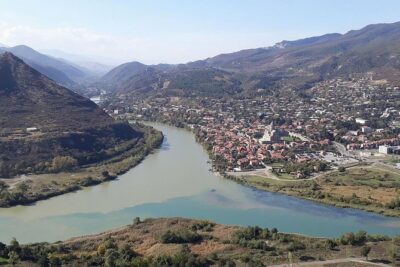
Mtskheta, Jvari, gori, uflistsikhe, history and panorama (group tours)
Read our review →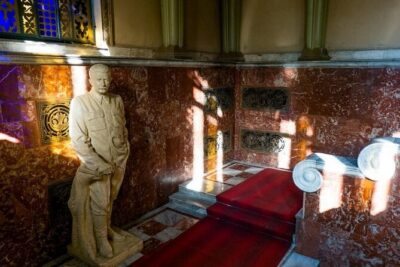
Jvari-Uplistsike-Chronicle of Georgia, PRIVATE Trip
Read our review →
Mtskheta – Jvari. Full City Tour on Hop On Hop Off Bus
Read our review →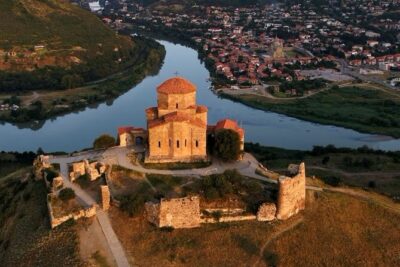
Ancient Georgia Group Tour: Mtskheta,Jvari, Gori, Uplistsikhe
Read our review →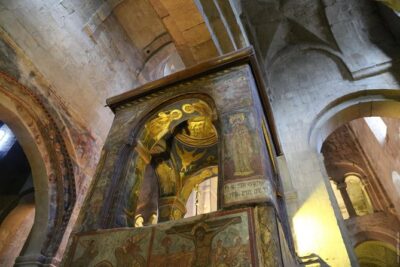
Ancient Mtskheta and Chronicle of Georgia half day tour
Read our review →Browse the lists this tour appears in