
Reviewed · MTSKHETA & JVARI TOURS
Uplistsikhe, Mtskheta and Jvari – historical private day tour from Tbilisi
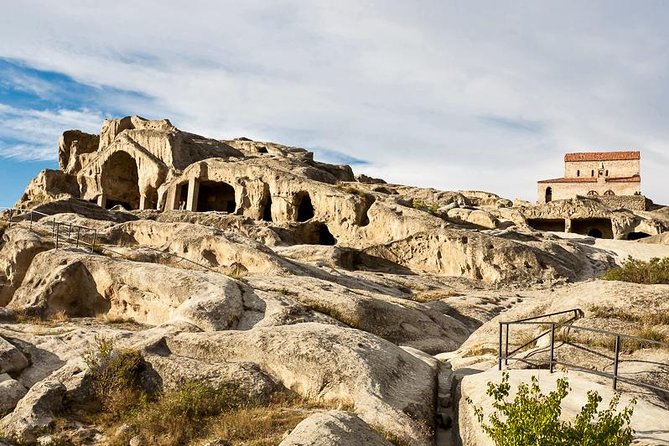
Uplistsikhe is the star of this day: a pagan cave city carved into bare rock, where more than 20,000 people once lived. Pair it with Mtskheta’s Christian monuments and Jvari’s sweeping hilltop view, and you get three very different chapters of Georgian history without changing hotels or juggling local transport.
I like the private car and guide, since you can ask questions and set a comfortable pace with your own group. I also like the range of the route, from cave climbing at Uplistsikhe to church art and Soviet-era Gori. The main drawback is the packed schedule: seven to eight hours leaves little room for a slow lunch, long museum visit, or extra sightseeing.
Key points to know before booking
- Uplistsikhe takes the most effort: Allow two hours for uneven rock surfaces, steps, and elevation.
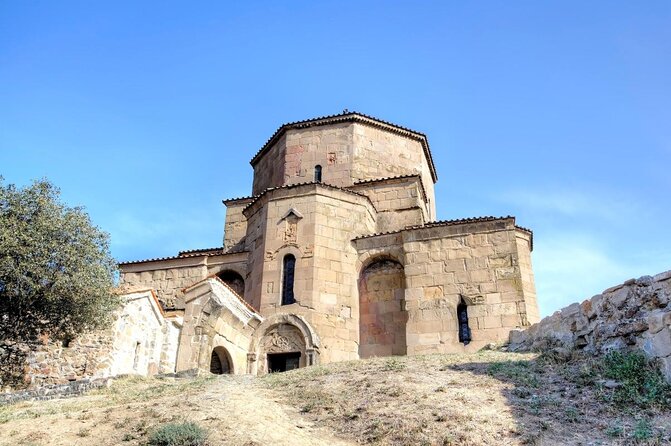
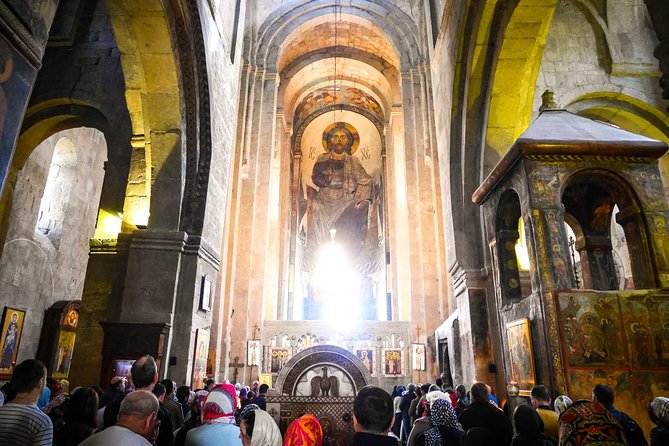
- Mtskheta brings Georgia’s Christian story to life: You’ll see the cathedral of Svetitskhoveli and the convent of Samtavro area.
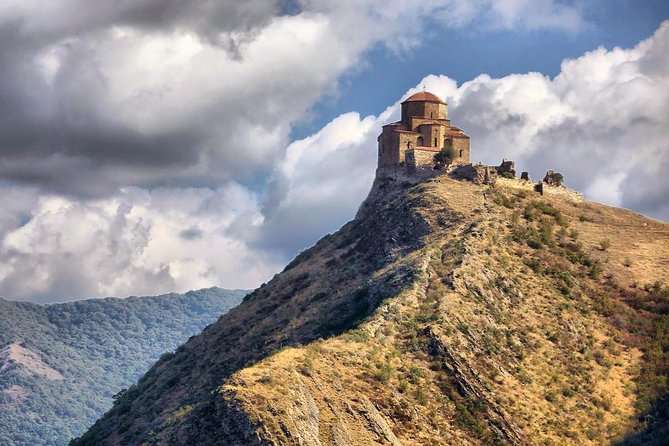
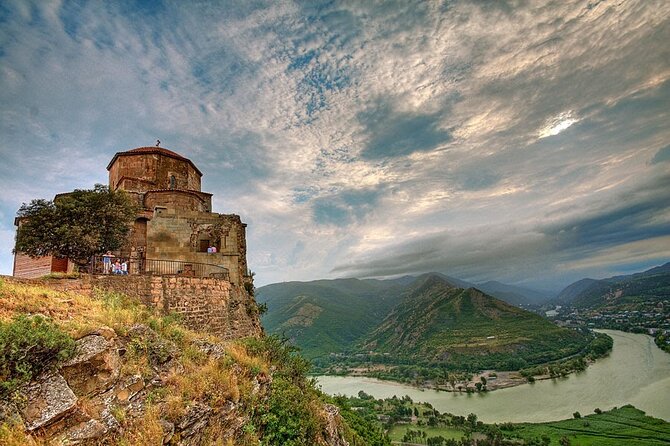
- Jvari delivers the day’s best view: The monastery looks across Mtskheta, the Mtkvari and Aragvi rivers, and the surrounding mountains.
- Gori adds a Soviet-era chapter: Gori Fortress is included, while the Stalin Museum costs extra.
- Your guide matters: Zurab, Luka, and Temo are named guides associated with this experience, with praise for detailed explanations and friendly service.
- The $149 price buys privacy: Transport, an English-speaking guide, and listed entrance fees are included, but meals, drinks, and the Stalin Museum are not.
This is a strong choice if you want to understand how Georgia moved from pagan worship to Christianity and then into the Soviet period, all in one day. The route is not just a collection of old buildings. Each stop gives you a different setting and a different way to read the country’s past.
You leave Tbilisi in a private, air-conditioned car with an English-speaking guide. The tour lasts about seven to eight hours, so it works best as a full day rather than a casual outing. Since only your group takes part, you can ask for more explanation at a site, move on when you have had enough, or discuss the optional food and wine stop as the day unfolds.
The schedule is fairly full. You get time at four main stops, but this is not the right outing if you want to linger over every church fresco, spend hours in a museum, and enjoy a long Georgian feast. It is designed to give you a clear, well-paced look at several major sights outside the capital.
Uplistsikhe’s rock-cut city takes center stage
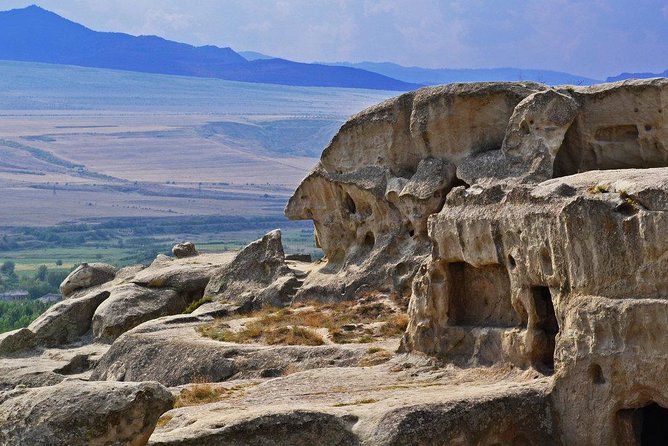
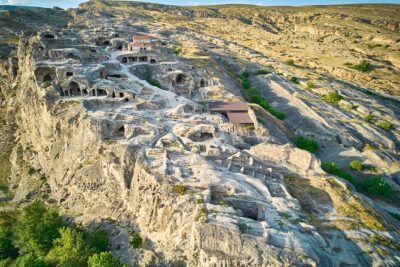
Uplistsikhe Cave Town gives the day its most unusual setting. Rather than walking through a conventional archaeological site, you climb and walk across a rocky settlement cut into the hillside. Rooms, passages, and open spaces are all tied to the stone itself.
The scale is what makes the place memorable. This was once a functioning city of more than 20,000 people and a center of pagan culture. That number helps you picture Uplistsikhe as more than a few empty caves. It was a place where people lived, worked, worshipped, and moved through a planned settlement.
You have about two hours here, which is useful because the site needs time. The best experience comes from seeing how the paths, chambers, and exposed rock fit together rather than rushing from one room to the next. Your guide can give the ruins a human frame, explaining how this former city fit into Georgia’s early story.
There is a practical catch. Uplistsikhe has uneven surfaces and elevation, and some of the fun comes from climbing to reach the caves. Wear comfortable shoes with good grip. Smooth soles or stiff dress shoes will make the visit less pleasant, especially if the rock is slippery.
I would also think carefully about the needs of everyone in your group. The tour data says most people can participate, but it does not promise an easy, step-free visit. If you have trouble with uneven ground or climbing, ask the operator about the route before you book.
The admission fee for Uplistsikhe is included. That removes one small task on a busy day, and it means you can focus on the site instead of sorting out tickets when you arrive.
More old-capital trips from Tbilisi:
- Day Trip to Mtskheta Gori and Uplistsikhe
★ 5.0 · 1,801 reviews - Tbilisi:Mtskheta,Jvari,Bazaar,wine tasting,Chronicles of Georgia
★ 5.0 · 730 reviews - Mtskheta-Gori-Uplistsikhe
★ 5.0 · 112 reviews
Mtskheta connects Georgia’s old capital to Christianity
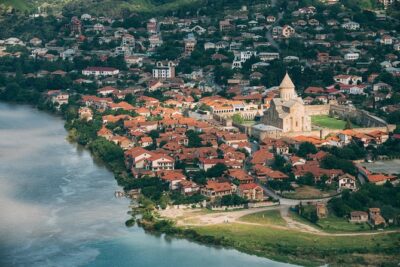
Mtskheta gives the tour a very different mood. The town was once the capital of the eastern Georgian kingdom and became the starting point for the Christianization of Georgia. Here, the story shifts from pagan ritual and rock-cut rooms to churches, saints, and centuries of Georgian worship.
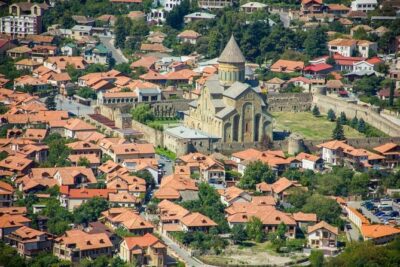
The stop lasts about two hours. That is enough time to take in the main religious sites and listen to the guide explain why Mtskheta matters. The route highlights the cathedral of Svetitskhoveli and the convent of Samtavro, once associated with Saint Nino.
Svetitskhoveli is the central draw. It is one of the major churches connected with Georgia’s Christian identity, and it gives you a strong sense of why Mtskheta remains important today. Samtavro adds another layer through its connection with Saint Nino, the figure linked to Georgia’s conversion to Christianity.
The town stop is also where you may have the most flexibility with food. An optional lunch with a local family in Mtskheta is offered in the tour description, and there is also an optional lunch or wine tasting at an organic winery. Meals and drinks are not part of the standard price, so ask exactly what option you are choosing and what it costs before settling in.
That detail matters because a Georgian meal can change the rhythm of the day. A proper lunch takes time, while a quick stop keeps the schedule moving. If you care more about local food than fitting in every possible sight, tell your guide early.
Admission to the Mtskheta stop is listed as free. You should still allow time for the guide’s explanations, church etiquette, and any unscheduled pause that comes with visiting an active religious place.
Jvari rewards the climb with a wide view
Jvari Monastery sits on a cliff above Mtskheta, where the Mtkvari and Aragvi rivers meet below. The setting is the reason this stop stays in your memory. From the hilltop, you can look back toward Mtskheta and out to the surrounding mountains.
You have about 45 minutes at Jvari. That is a sensible amount of time for the viewpoint, the church, and a clear explanation of its place in Georgian culture. It is not enough for a long, unhurried stay, but most people will find the visit focused rather than rushed.
Jvari is one of Georgia’s earliest churches and is protected as a UNESCO World Heritage Site. Its setting has also made it a familiar subject in Georgian poems and novels. You do not need to know those works to appreciate the site, but the literary connection helps explain why this small monastery carries such weight in the country’s imagination.
The order of the day makes sense. After seeing the Christian center of Mtskheta from ground level, you look down on the town from Jvari. That change in viewpoint helps you understand the relationship between the river valley, the old capital, and the hilltop monastery.
The stop is also a good test of the day’s pace. If you prefer time for quiet photographs and long walks, 45 minutes may feel short. If you like a clean itinerary with one strong view and no unnecessary hanging around, it should work well.
Admission to Jvari is listed as free. As with the other religious sites, dress and behavior should be respectful, though the supplied tour details do not set out a specific dress code.
Gori Fortress adds the Soviet chapter
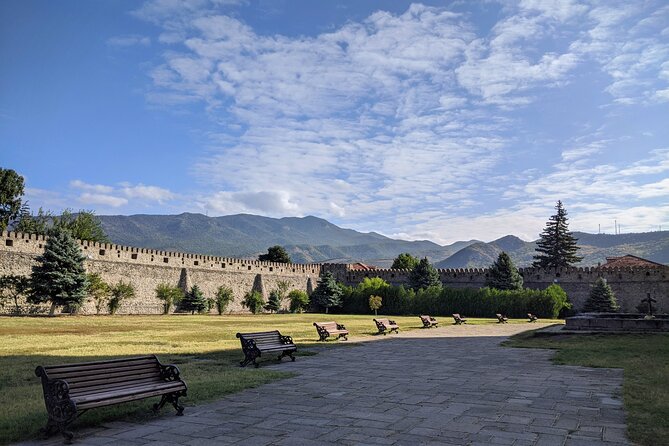
Gori changes the tone once again. After Uplistsikhe’s pagan past and Mtskheta’s Christian importance, the route turns toward the Soviet period. Gori is known as the birthplace of Joseph Stalin, and the town’s connection to him gives this part of the tour a more modern and politically charged focus.
The scheduled stop is Gori Fortress, with about 45 minutes and entrance included. The fortress gives you a view of the town and adds a historic setting before you decide if you want to spend extra time on Stalin-related exhibits.
The Stalin Museum is optional and not included in the price. That is useful for making your own choice. If you have a strong interest in Soviet history, you may want to add it. If you would rather keep the day focused on ancient and religious sites, you can skip the extra ticket and avoid extending an already full schedule.
The tour description does not include a set museum visit, so do not assume it is part of the standard route. Budget separately for the ticket if you want to go inside.
Gori is valuable because it prevents the day from becoming a simple tour of churches and ruins. You see how different political and religious eras occupy the same country. The contrast is especially sharp after the first three stops.
Other trips west of Tbilisi:
- Mtskheta, Jvari, gori, uflistsikhe, history and panorama (group tours)
★ 4.5 · 107 reviews - Day tour to Chronicles of Georgia, Gori city, Uplistsikhe cave
★ 5.0 · 86 reviews - Ancient Georgia Group Tour: Mtskheta,Jvari, Gori, Uplistsikhe
★ 4.5 · 73 reviews - Mtskheta – Jvari + Gori – Uplistsikhe Tour
★ 5.0 · 49 reviews
What the guide and private car change
The private format is the strongest practical feature of this tour. You are not sharing the car with strangers, and only your group takes part. That gives the day a more personal feel and makes it easier to ask questions about the places you pass between stops.
The transport is described as a comfortable, clean, air-conditioned car. That matters on a full day with several stops, especially when the walking surface at Uplistsikhe requires energy. You can rest between sites instead of managing buses, taxi changes, or directions on your own.
The guide is equally important. Named guides connected with this experience include Zurab, Luka, and Temo. Their strongest qualities are detailed explanations, clear coverage of Georgian history and culture, and attention to things you pass on the road, not just the official stops.
That last point can make a long driving day feel more useful. You are not simply being delivered to four locations. The guide can explain the places along the way and connect the ancient, Christian, and Soviet chapters into one story.
A private tour does not guarantee that every guide will have the same style, so I would tell the operator what interests you most. Ask for more church history, more archaeology, more Soviet context, or more time for photographs. The format gives you room to shape the day, but you need to speak up.
Is $149 per person good value?
At $149 per person, this is not the cheapest way to see the sights outside Tbilisi. It can be good value if you want a private experience rather than a large group, because the price includes private transfers, an English-speaking professional guide, and entrance fees listed in the schedule.
You are also covering a lot of ground in one day. Uplistsikhe, Mtskheta, Jvari, and Gori represent very different periods and settings. Organizing that route independently would take planning, especially if you do not speak Georgian or want historical explanations at each place.
The value depends heavily on group size. For one or two people, $149 each is a larger outlay than a shared excursion. For a small group, the privacy and private vehicle become more attractive. Group discounts are offered, so ask about the current rate for your party rather than assuming the published per-person figure is the final price.
Meals and drinks are not included. The organic winery lunch or wine tasting is optional, and the description also mentions the possibility of lunch with a local family in Mtskheta. Confirm the cost and the exact arrangement before you count on it.
The Stalin Museum is another extra. If you want a tightly controlled budget, plan for transport and included admissions first, then decide on food, wine, and the museum.
Who will enjoy this day most?
I would recommend this tour to you if you want a broad introduction to Georgian history without changing vehicles or arranging several separate day trips. It suits couples, families, and small groups who value a private guide and a flexible car.
It is especially good for people who enjoy contrast. One hour you are looking at pagan caves, later you are standing in a Christian cathedral, and then you are considering Georgia’s Soviet past in Gori. The route gives you a useful outline of the country’s cultural shifts.
It also suits photography-minded visitors. Uplistsikhe offers unusual rock formations and open views, while Jvari gives you the classic overlook toward Mtskheta and the two rivers. Bring shoes for walking, not just something that looks good in photographs.
I would hesitate if you want a relaxed food day or a single-site archaeological visit. The schedule moves through several places, and the total drive time is part of the experience. You may also find the day tiring if climbing and uneven ground are difficult for you.
The tour is offered with pickup, and confirmation is provided at booking. It is near public transportation, though the private pickup means you do not need to build your day around public transit connections.
How to prepare for the seven to eight hours
Wear comfortable, non-slip shoes. This is the most important preparation because Uplistsikhe includes uneven surfaces and elevation. You will get more from the site if you can walk and climb without worrying about every step.
Keep some flexibility in your meal plans. The organic winery and Mtskheta family lunch are optional, and the standard price does not include meals or drinks. Ask whether your chosen option is a tasting, a full lunch, or both.
Decide in advance how interested you are in Stalin’s story. The Gori Fortress visit is included, but the Stalin Museum is extra. Knowing your preference will help you and your guide use the available time well.
The tour offers free cancellation up to 24 hours before the start time. A cancellation made less than 24 hours in advance is not refunded, and late changes are not accepted. The cut-off follows local time, so keep that in mind if you are booking from another country.
Should you book this private Georgian history tour?
Book it if you want one efficient day that links Uplistsikhe’s pagan past, Mtskheta’s Christian heritage, Jvari’s famous view, and Gori’s Soviet connection. The private car, included entrance fees, and English-speaking guide make the $149 price easier to justify, especially for a small group.
Skip it if you want a slow day with long meals, extensive museum time, or no climbing. For everyone else, this is a well-shaped introduction to the major historical sights around Tbilisi, with enough variety to keep the day interesting from the first cave to the last hilltop view.
FAQ
How long does the tour last?
The experience lasts approximately seven to eight hours.
Where does the tour begin?
The tour is based in Tbilisi and offers pickup.
Is this a private tour?
Yes. Only your group participates in the activity.
What transport is provided?
Private transfers are provided in a comfortable, air-conditioned car.
Is an English-speaking guide included?
Yes. A professional English-speaking guide is included.
Which entrance fees are included?
Entrance fees listed in the tour schedule are included. This covers Uplistsikhe and Gori Fortress, while Mtskheta and Jvari are listed with free admission.
Is the Stalin Museum included?
No. A ticket to the Stalin Museum is optional and not included.
Are meals and drinks included?
No. Meals and drinks are not included. An optional lunch at an organic winery, wine tasting, or lunch with a local family in Mtskheta may be available.
Is Uplistsikhe suitable for people with limited mobility?
The tour notes that Uplistsikhe has uneven surfaces and elevation. Comfortable, non-slip shoes are recommended, and you should consider your ability to manage those conditions.
Can I cancel for a full refund?
Yes, if you cancel at least 24 hours before the experience start time. Cancellations made less than 24 hours in advance are not refunded.
More Historical Tours in Tbilisi
- Tbilisi old town & soviet heritage – Private driver-guided Tour
★ 5.0 · 83 reviews - A 6-Day Private Expedition into Rich Heritage
★ 5.0 · 34 reviews - Jewish Heritage Walking Tour with Kosher Wine Tasting
★ 5.0 · 15 reviews - Kazbegi-Ananuri-Gudauri: Epic Views & History (Group)
★ 5.0 · 15 reviews
Just added in Tbilisi
- Private Adorable City Tour of Tbilisi★ 5.0 · 3 reviews
- Tbilisi Airport to Gudauri, Bakuriani, Batumi, Tbilisi★ 5.0 · 3 reviews
- full day Kazbegi-Gudauri-jvari -from Tbilisi★ 5.0 · 6 reviews
- Old tbilisi walking tour & wine tasting★ 5.0 · 9 reviews
- Wine promenade in hospitable Tbilisi★ 5.0 · 17 reviews
- Vardzia. Lake Paravani, Khertvisi & Lomisa castle, Rabati★ 4.5 · 12 reviews
- Your unique photo session in Tblisi, Georgia★ 3.5 · 4 reviews
- Private Wine Tour In Kakheti Region with 7 Wines and Lunch★ 5.0 · 3 reviews
Mtskheta & Jvari Tours, compared.
Mtskheta,Jvari,Bazaar,wine tasting,Chronicles of Georgia
Read our review →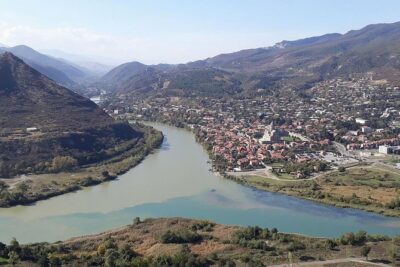
Mtskheta, Jvari, gori, uflistsikhe, history and panorama (group tours)
Read our review →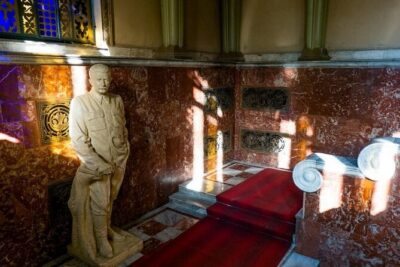
Jvari-Uplistsike-Chronicle of Georgia, PRIVATE Trip
Read our review →
Mtskheta – Jvari. Full City Tour on Hop On Hop Off Bus
Read our review →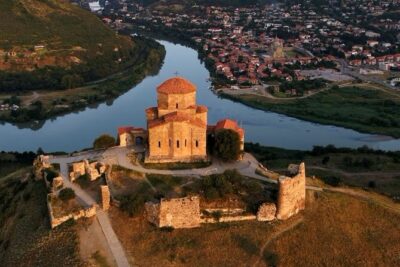
Ancient Georgia Group Tour: Mtskheta,Jvari, Gori, Uplistsikhe
Read our review →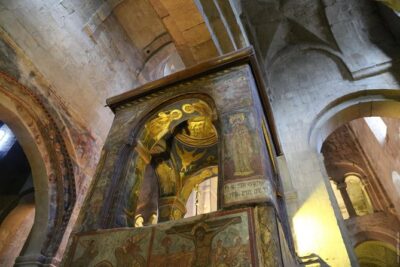
Ancient Mtskheta and Chronicle of Georgia half day tour
Read our review →Browse the lists this tour appears in