
Reviewed · FOOD & DRINK
Tbilisi Food Tour in a Local Family
The best part of this Tbilisi food tour is simple: you do not just sit down to eat Georgian food, you help make it in a local family kitchen. You shape khinkali, fill cheese bread, prepare walnut-topped eggplant, and then sit down to eat the meal you made.
I like the hands-on cooking and the warm, social setting. I also like that the $49 price includes transport to the house, six foods, wine, chacha, water, and a guide. The main thing to consider is the return: the tour finishes at the family home, and transport back to your hotel is not included.
What makes this evening worth your time
- You cook six Georgian favorites, including khinkali, khachapuri, mchadi, salad, eggplant with walnuts, and Sulguni cheese.
- The meal takes place in a private family home, giving you a more personal look at Georgian food than a restaurant visit can provide.
- Guides such as Beka, Buta, Helen, Nina, Tornike, and Toko have led versions of this experience, with the guide helping explain recipes, customs, and Georgian life.
- Homemade dry white wine and chacha are included, so you can try two classic Georgian drinks alongside the food.
- You receive practical cooking guidance, and recipes may be provided so you can recreate the dishes at home.
- Vegetarian khinkali is available by request, though you should arrange that before the tour.
A Georgian dinner you help create
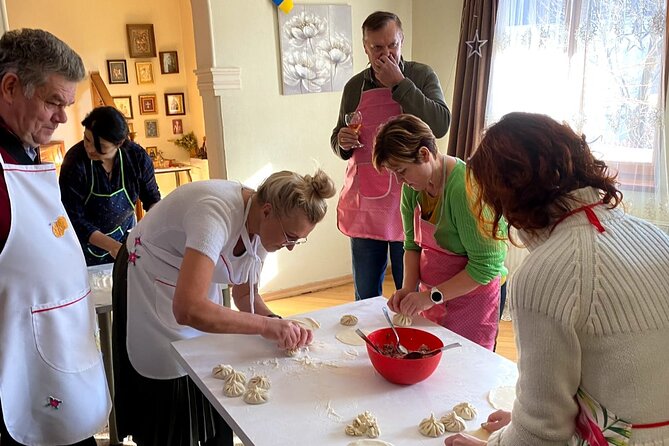
Georgian food is built for sharing, and this cooking class shows you why. The menu is not a quick tasting of one or two dishes. You work through a full spread, then sit down to eat it while it is fresh.
The evening begins at 6 pm at the Traveler’s Meeting Point in the Avlabari area of Tbilisi. This is a casual place with board games, music, wine, and room to meet your guide and fellow participants. The scheduled time there is about 30 minutes.
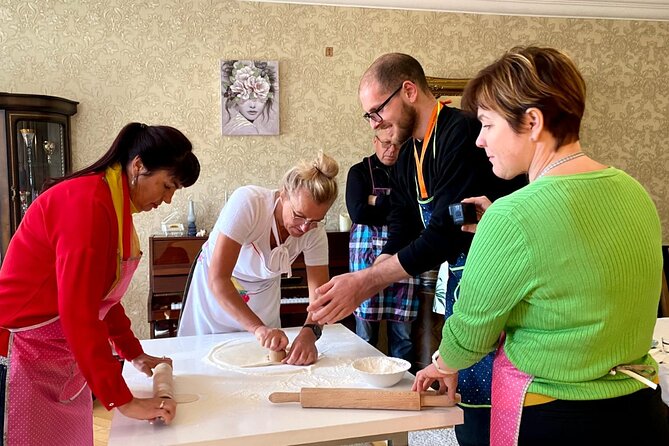
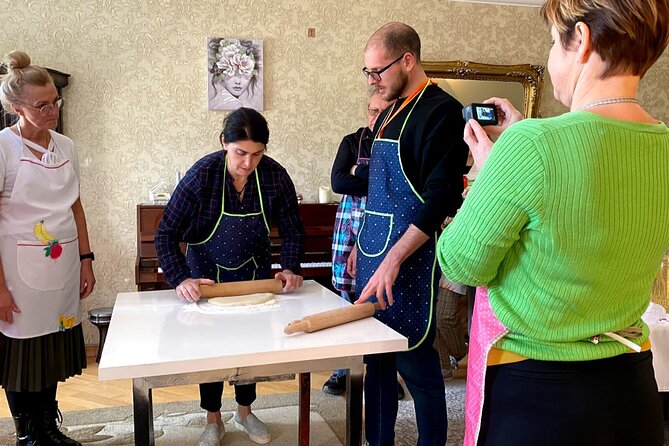
From there, transportation takes you to the family home. The exact ride and household may vary, but the experience is designed around a traditional local kitchen rather than a formal cooking school. That difference matters. You are not simply watching a demonstration from a distance. You are expected to use your hands and take part.
The cooking portion lasts about two and a half hours. That is enough time to prepare several dishes without rushing through every step. It also leaves room for questions, conversation, and the occasional pause to sample wine or chacha.
A few more things to do in Tbilisi worth a look
- Tbilisi:Mtskheta,Jvari,Bazaar,wine tasting,Chronicles of Georgia
★ 5.0 · 730 reviews - Old Tbilisi Tour: Private Walking Tour With Wine Tasting
★ 5.0 · 273 reviews - Private Tbilisi Food Tour: 9 Tastings Walk in Bohemian District
★ 5.0 · 227 reviews
Khinkali, khachapuri, and the full menu
You begin with Georgian salad, a straightforward combination of cucumber and tomato. It is fresh and crisp, which gives you a useful break from the richer food that follows.
Next comes eggplant with walnuts. The eggplant is rolled around a walnut filling, creating one of Georgia’s most recognizable vegetable appetizers. This is a good dish for anyone who wants a meat-free Georgian option with plenty of flavor.
Mchadi is a cornmeal bread traditionally served with beans and cheese. Here it is paired with Sulguni, Georgia’s mild, semi-firm cheese. Sulguni is a common presence on Georgian tables, and tasting it with warm mchadi helps explain why simple bread and cheese can make such a satisfying part of a meal.
Then comes khinkali, the pleated Georgian dumpling. You will learn how to shape the dough and fill the dumplings. The practical lesson is part of the fun, since neat pleats take some effort. Khinkali is usually associated with meat, but vegetarian khinkali can be arranged in advance.
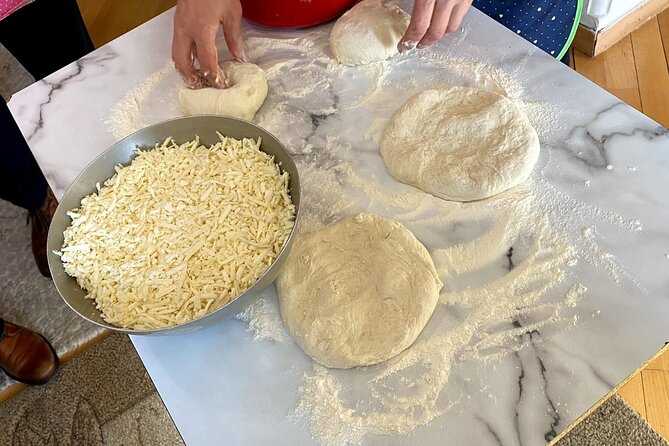
Khachapuri is the other major project. This cheese-filled bread comes in several regional forms across Georgia, though the precise version served here is not specified. You will prepare the dough and cheese filling, then eat the bread as part of the final meal.
The result is a generous table with six different foods. Do not plan a heavy dinner before the class. The food is not a token sample at the end. You eat what you have prepared, and the portion can be more than one person can finish comfortably.
Inside the family home
The family setting is the heart of the experience. You are introduced to a local cook and work in the kitchen where she prepares food as part of ordinary Georgian life. That gives the cooking class a more personal feel than a lesson run entirely for tourists.
A good guide helps bridge the gap between recipe and culture. Beka, for example, has guided groups with Buta and brought them to his aunt’s home, where both he and his aunt demonstrated the dishes. This kind of arrangement can make the evening feel less like a class and more like being welcomed into a family meal.
Other named guides connected with this experience include Helen, Nina, Tornike, and Toko. The specific guide is not guaranteed, so book this for the format and setting rather than for one particular person. Still, the feedback about the guides points to an important part of the evening: the best guides keep the group involved, explain what is happening, and make conversation easy.
The home may be outside central Tbilisi. One version involved a taxi ride with the guide to a house in the suburbs. Transportation from the meeting point is included, so you do not need to arrange that first leg yourself.
The setting is also a useful reminder that Georgian hospitality is not only a restaurant performance. Food, drink, and conversation are closely tied to family life. You see that connection most clearly when the meal is prepared in a real home and served at the end of the work.
Wine, chacha, and pacing the evening
Homemade dry white wine is included with the meal. Georgia has a long wine culture, and tasting a homemade version gives you a different experience from ordering a glass at a city restaurant.
Chacha is also included. This is a Georgian grape spirit, often compared with vodka in tourist descriptions, though its character comes from distilled grape pomace. It can be strong, so pace yourself. You do not need to drink every included item to enjoy the tour.
Water is provided as well. That is a small but useful detail during a long meal with bread, cheese, dumplings, and spirits.
The evening has a relaxed social rhythm. You cook, taste, talk, and return to the food. One guide-led version included time for discussion about life in Georgia, which is exactly the kind of exchange that makes a family meal feel more personal.
Same base, a different sort of day:
- Day Trip to Kakheti Wine Region Including 9 Wine Tastings
★ 5.0 · 2,774 reviews - Highlights of Caucasus Mountains-Jinvali,Ananuri,Gudauri,Kazbegi(Group tour)
★ 5.0 · 2,682 reviews - Day Trip to Kazbegi and Gudauri
★ 5.0 · 2,009 reviews - Day Trip to Mtskheta Gori and Uplistsikhe
★ 5.0 · 1,801 reviews
How long the tour really feels
The advertised duration is about three hours: roughly 30 minutes at the meeting point and two and a half hours at the home. That is a reasonable estimate for the formal schedule.
Some descriptions of the experience also include extra city sightseeing, such as seeing a cathedral or riding the funicular. If those elements are part of your departure, the evening may run longer than three hours. Confirm the timing with the operator if you have a concert, reservation, or other fixed plan afterward.
The cooking itself is not a rushed activity. That is good for the food, but it means you should treat this as your main evening plan. You are not likely to finish in time for an early dinner elsewhere.
The tour ends at 45 Gigo Zaziashvili Street in Tbilisi, at the family home. Since the return ride is not included, plan your way back before you leave. The meeting point is near public transportation, but the ending point is different, so do not assume you will finish where you started.
Is $49 a fair price?
At $49 per person, this is strong value if you want a meal and an activity in one booking. The price includes a guide, transportation to the family home, cooking instruction, six foods, homemade wine, chacha, and water.
A restaurant meal could cost less, especially if you order modestly. But a restaurant will not give you the cooking lesson, the family setting, or the chance to learn recipes you can use later. A formal cooking school may also charge more while offering less of the home-based atmosphere.
The value depends on your appetite for participation. If you want to sit quietly and sample food, this is not the most efficient food tour. If you want to learn how Georgian dishes are made and then eat a full meal, the price is reasonable.
The group maximum is 30 people. That is large enough that the level of personal attention may vary. A smaller group will likely make shaping dumplings and asking questions easier, but you should not book this expecting a private lesson unless the operator confirms your group size.
What to know before you go
Wear clothes that suit the weather, since the tour operates in all conditions. You will be moving from the meeting point to a private home, and the experience is scheduled in the evening.
Tell the operator about dietary needs when you book. Vegetarian khinkali is available upon request, and one food-focused version accommodated a guest who did not eat pork with beef and cheese khinkali. That does not mean every dietary request is guaranteed, so ask early and be specific.
The tour is offered in English. Most people can participate, but the cooking involves standing, handling dough, and working around a kitchen. The supplied information does not give detailed mobility guidance, so contact Gamarjoba Georgia Tours if you have a specific access concern.
Free cancellation is available when you cancel at least 24 hours before the 6 pm start time. Changes or cancellations inside that window are not accepted for a refund. The experience operates in all weather, so keep that in mind when planning your evening.
Who should book this cooking class?
I would choose this tour for a first visit to Tbilisi if food is one of your main reasons for coming to Georgia. It gives you several famous dishes in one sitting and explains how they are made.
It also suits solo visitors. The shared cooking format gives you an easy way to meet people, and the guide-led conversation keeps you from feeling stranded on the edge of a group. Couples and small groups should enjoy it for the same reason.
Families with older children may find the dumpling and bread-making especially engaging, though the included chacha is for adults. Anyone who wants recipes to use at home will get extra value from the practical instruction and the possibility of receiving recipes afterward.
I would skip it if you have a tight evening schedule, dislike group activities, or prefer a polished restaurant setting. The destination is a family home, the group can reach 30 people, and the ride back is your responsibility.
Should you book the Tbilisi family cooking tour?
Book it if you want to cook, eat, and talk rather than simply photograph a plate of Georgian food. The combination of khinkali, khachapuri, mchadi, eggplant with walnuts, salad, Sulguni, wine, and chacha gives you a broad introduction to the country’s table.
The strongest reason to go is the family setting. Guides such as Beka, Buta, Helen, Nina, Tornike, and Toko have helped turn the class into a social evening, with cooking lessons mixed with stories about Georgia. Just allow extra time if sightseeing is added, request dietary changes in advance, and arrange your ride home from the family house.
FAQ
How much does the Tbilisi family cooking tour cost?
The tour costs $49 per person.
How long does the experience last?
The scheduled duration is approximately three hours. About 30 minutes takes place at the meeting point, followed by about two and a half hours at the family home.
Where does the tour start?
The tour starts at the Traveler’s Meeting Point in Avlabari, Tbilisi, at 6 pm.
Where does the tour finish?
The tour finishes at the local family home at 45 Gigo Zaziashvili Street, Tbilisi 0102.
Is transportation included?
Transportation from the meeting point to the family home is included. Transportation from the family home after the tour is not included.
What food will I prepare and eat?
The menu includes cucumber and tomato salad, Georgian eggplant rolls with walnuts, mchadi, Sulguni cheese, khinkali, and khachapuri.
Can vegetarian khinkali be provided?
Yes. Vegetarian khinkali is available upon request, so arrange it before the tour.
Just added in Tbilisi
- 8-Day Trekking Group Tour in Svaneti★ 5.0 · 21 reviews
- Private five days tour to Svaneti-Mestia, Ushguli, Becho,Chalaadi★ 5.0 · 21 reviews
- Join a Local for a Market Tour, Cooking Class and Meal in her Tbilisi Home★ 5.0 · 15 reviews
- Chiatura and Katskhi Pillar One Day Urbex Tour★ 5.0 · 14 reviews
- Soviet Story – Private day trip to Chiatura, Stalin’s museum and Katskhi pillar★ 4.5 · 15 reviews
- Full Day Tbilisi City Tour with Wine Tasting & Cable Car Ride★ 5.0 · 18 reviews
- Tbilisi Walking Tour Including Cable Car and Wine Tasting★ 5.0 · 16 reviews
- Mtskheta – Jvari – Samtavro, the cradle of Georgian Christianity. (group tours)★ 4.5 · 24 reviews
Food & Drink, compared.
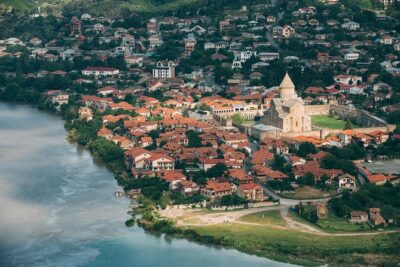
Mtskheta,Jvari,Bazaar,wine tasting,Chronicles of Georgia
Read our review →
Old Tbilisi Tour: Private Walking Tour With Wine Tasting
Read our review →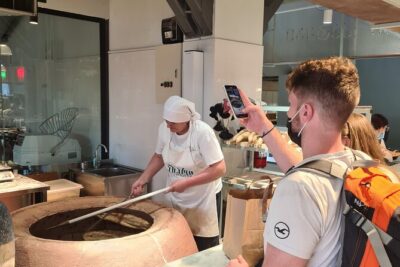
Private Tbilisi Food Tour: 9 Tastings Walk in Bohemian District
Read our review →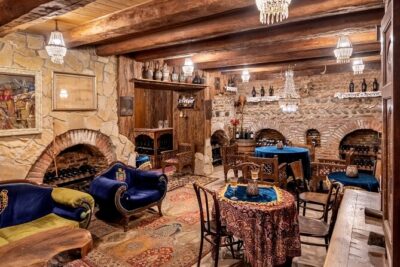
Private Wine Tasting in Prince Karalashvili Wine Cellar. Tbilisi
Read our review →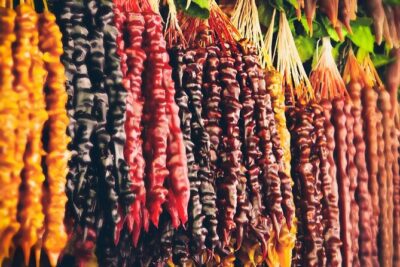
Private Tour From Tbilisi to Kakheti Sighnaghi with Wine Tasting
Read our review →
Adventure in Kakheti – Bodbe, Sighnaghi, wine tasting (Private Experience)
Read our review →
Private Kakheti Tour organic Wine Tasting with Lunch
Read our review →
Highlights of Kakheti region-Signagi,Bodbe,Wine tasting(Private Tour)
Read our review →Browse the lists this tour appears in