
Reviewed · CITY TOURS
Walking City Tour in Tbilisi
Tbilisi packs an astonishing amount into a short walk. In about two hours, this private tour links the sulfur baths, narrow old-town lanes, Narikala Fortress, a Zoroastrian temple, and the grand center around Liberty Square. The best feature is the historical sweep, from Persian influence and early Christianity to the Russian Empire and modern Georgian life.
I like the flexible route, especially the choice between paying for the cable car or climbing to Narikala on foot. I also like the personal scale: your group is alone with the guide, so you can ask about Georgian food, customs, and places worth returning to. The main drawback is the pace. Ten stops in two hours means some visits are brief, and the uphill sections call for moderate fitness.
Key points at a glance
- Two Tbilisi districts in one walk: See the old city and the 19th-century aristocratic quarter.
- A flexible Narikala visit: Ride the cable car for 2 euros per person or walk uphill.
- Strong historical range: Cover sulfur baths, Georgian Christianity, Zoroastrianism, Persian influence, and the Russian Empire.
- Private guiding with Alesia Aliakseichyk: Your group participates on its own, with room for questions and route changes.
- A practical food angle: Ask the guide for Georgian dishes and restaurant advice if unfamiliar menus leave you guessing.
- A useful central finish: The tour ends at Liberty Square, with the option to finish elsewhere by arrangement.
Why this short Tbilisi walk works

Tbilisi can feel confusing at first. Streets change character quickly, hills rise without warning, and the city’s story crosses Georgian, Persian, Russian, Orthodox Christian, and European lines. This tour gives you a clear introduction without asking you to spend half a day on a bus.
The route begins in Abanotubani, the old sulfur-bath district, then climbs through the historic core toward Narikala Fortress. From there, it moves through religious and cultural landmarks before ending at Liberty Square. That sequence makes sense geographically and historically, although the schedule leaves little time for long stops.
The tour is private, which matters here. If you want to pause for photographs at a carved balcony, ask why Georgian Christianity matters, or discuss which bathhouse to book later, you can do so without slowing a large group. The guide is listed as Alesia Aliakseichyk, and the experience includes a certified guide.
I especially like the food connection. The guide can help you understand Georgian dishes and suggest what to try later. That is useful in Tbilisi, where unfamiliar dish names can otherwise make ordering feel like a small gamble.
A few more things to do in Tbilisi worth a look
- Tbilisi Walking Tour Including Cable Car and Traditional Bakery
★ 5.0 · 1,310 reviews - Tbilisi:Evening Walking & Talking Tour with Wine & Boat Ride
★ 5.0 · 572 reviews - Old Tbilisi Highlights walking tour with wine & 10 tastings
★ 5.0 · 276 reviews
Starting among Tbilisi’s sulfur baths
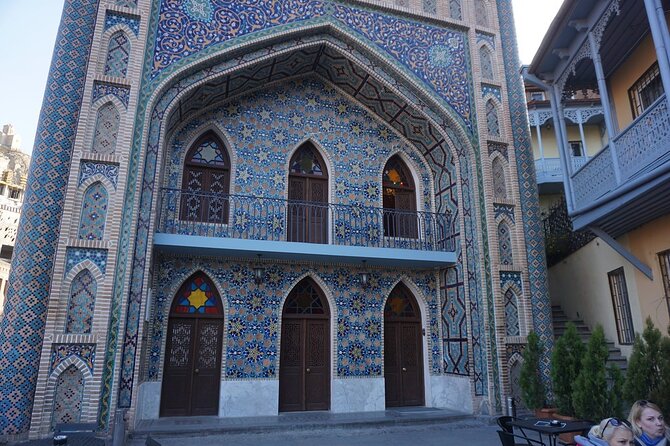
Meet at Orbeliani Baths on Abano Street. The bathhouse is also called Pushkin Bath or Dumas Bath, names that point to the neighborhood’s long connection with writers and visitors passing through the city.
You get only about five minutes here, so think of this as an orientation stop rather than a bath visit. The tour does not include bathing, and there is no admission charge for the sightseeing portion. You can use the introduction to ask which bathhouse might suit you if you want to return later for a soak.
Next comes Abanotubani itself, the old sulfur-bath neighborhood. Its oriental-style bathhouses give this part of Tbilisi a distinct look and feel. The guide can offer recommendations for visiting later, which is one of the more useful practical details in the tour.
This is a good place to ask questions early. You might want to know how much time to allow for a bath, what sort of experience to expect, or which options fit your plans. The tour does not provide snacks, so plan to eat before or after the walk rather than expecting food along the way.
Narrow streets and carved balconies in Old Town
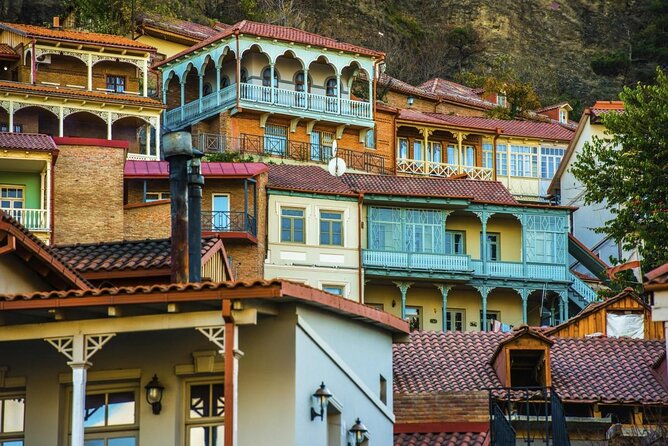
The old city receives about 20 minutes, making it one of the longer stops. That is sensible. Tbilisi’s old center is not just a collection of monuments. The appeal comes from the lanes, weathered walls, balconies, steps, and changing views as the streets climb.
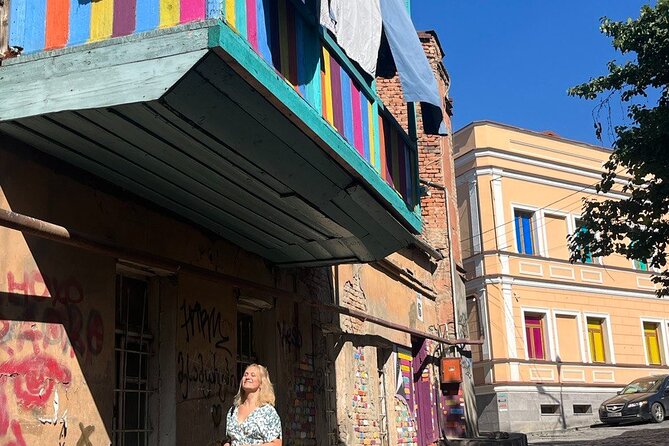
The guide points out photo locations, including Frida’s Cafe and other Instagram-friendly spots. I would treat those as pleasant extras rather than the main reason to book. The real value is having someone explain how the old city fits into Tbilisi’s larger story.
You should expect uneven ground and some uphill walking. The stated fitness requirement is moderate, and the route includes elevated areas later on. Comfortable shoes will matter more than dressy clothes.
Because the stop is short, you may not get long periods for photography. If taking pictures is a priority, tell the guide at the start. A private tour gives you a better chance of adjusting the rhythm than a fixed group outing.
Choosing the cable car or the uphill route
The Tbilisi Cable Car is the tour’s one optional paid element. It costs 2 euros per person, and the fare is not included. You can use it to go up, down, or both, depending on the route and your preference.
The alternative is walking through the old streets toward Narikala Fortress. That saves the extra fare and gives you more time among the lanes, but it also adds exertion to an already active walk. You should decide based on your energy, the weather, and how much time you want for views.
This flexibility is one of the tour’s strongest features. Some people want the cable car because it makes the climb easier and adds a different city view. Others prefer to walk and spend their money on a sulfur bath or Georgian meal later.
The schedule allows only about 15 minutes for this part. That does not leave much room for a slow cable-car experience plus extended sightseeing, so be clear with the guide about your preference. The route can adapt, but two hours is still two hours.
Same base, a different sort of day:
- Day Trip to Kakheti Wine Region Including 9 Wine Tastings
★ 5.0 · 2,774 reviews - Highlights of Caucasus Mountains-Jinvali,Ananuri,Gudauri,Kazbegi(Group tour)
★ 5.0 · 2,682 reviews - Day Trip to Kazbegi and Gudauri
★ 5.0 · 2,009 reviews - Day Trip to Mtskheta Gori and Uplistsikhe
★ 5.0 · 1,801 reviews
Narikala Fortress and Tbilisi from above
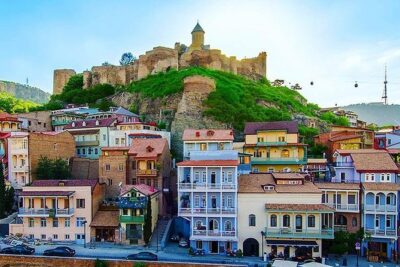
Narikala Fortress is presented as the high point of the tour, both literally and visually. You get about 10 minutes there, enough for a major view across Tbilisi and a short explanation of the site.
This is where the route pays off. After moving through compact streets and enclosed bathhouse lanes, you suddenly see the city spread below. The view helps you understand Tbilisi’s hills and the way its older districts gather around the river area.
Ten minutes is brief, especially if you want a lot of photographs. Still, the stop works well as a city orientation point. You can identify where you have walked and decide what deserves a longer visit later.
The fortress is reached by cable car or on foot, so the practical issue is not admission. The sight itself is free, but transportation may cost extra. If you have limited stamina, the cable car is the sensible choice.
Betlemi churches and Georgia’s Christian story
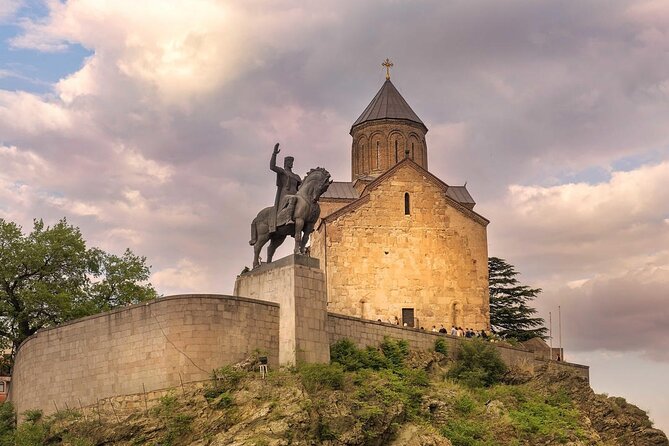
The route continues to the Lower and Upper Betlemi Churches, described as old Orthodox cathedrals. This stop lasts about five minutes, so expect a concise introduction rather than a full church visit.
The important question here is historical: when and how Georgia became a Christian country. That subject gives the city a useful point of contrast. Tbilisi’s story is not only about Persian and Russian influence. Georgian Orthodox Christianity remains central to the country’s identity.
You may want to ask the guide about the churches’ role in the city and how religious sites fit among the surrounding neighborhoods. Since the tour includes a certified guide and is private, this is a good moment for focused questions.
As with the other stops, the tour does not charge a separate admission fee for the churches. Time is the limitation, not entry cost.
Mother of Georgia and a trace of Persia
Kartlis Deda, the giant Mother of Georgia monument, gets about five minutes. It is a quick stop, but the monument gives you a strong visual symbol for the country and a useful point for discussing Georgian identity.
The next stop, the Ateshgah Zoroastrian Temple, adds another layer. It is described as a trace of the Persian Empire, and its inclusion is one of the more unusual parts of the walk. Many first-time city tours stay with churches and major viewpoints. This route also points to the older Persian and Zoroastrian connections that shaped Tbilisi.
Again, five minutes will not allow a full architectural study. The value lies in the guide’s explanation and in seeing how several traditions occupy the same historic city. If you want detailed religious history, you should treat this tour as an introduction and reserve more time for independent visits.
Liberty Square and the Russian Empire

The walk ends at Liberty Square, after about 10 minutes focused on the Russian Empire in Georgia. This is a useful final chapter because the square feels more formal and central than the old lanes near the baths.
Ending here also makes practical sense. You finish near public transportation and in a central part of Tbilisi, rather than being left on a hilltop. The tour can also end somewhere else if you arrange it with the guide, which helps if you have a restaurant booking, hotel, or another sight in mind.
The Russian imperial period is not a footnote in Georgia’s story. It helps explain political changes, architecture, public spaces, and the complicated relationship between Georgia and its northern neighbor. The guide can connect that period to the older influences introduced earlier in the route.
Rezo Gabriadze’s clock tower
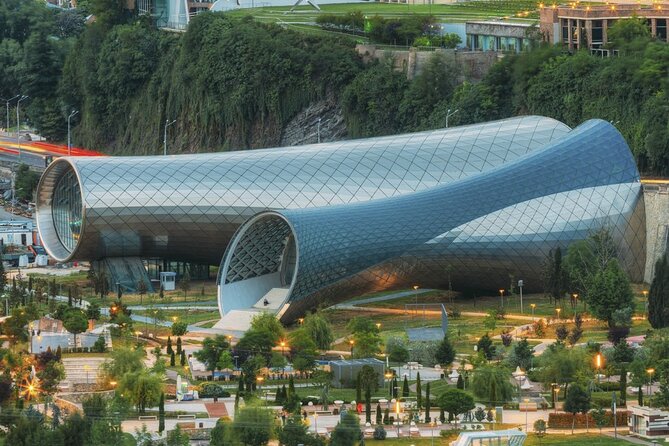
The Rezo Gabriadze Marionette Theater and its clock tower receive about 10 minutes. This is one of Tbilisi’s most recognizable modern cultural stops, and the small performance that takes place every hour adds a practical timing detail.
You may be able to see the hourly event if the schedule lines up, but the tour’s two-hour length means you should not assume a long wait for it. Ask the guide about the timing when you meet. If the performance is important to you, the private format may make it easier to adjust the route slightly, though no change is guaranteed.
The theater helps keep the walk from becoming only a lesson in fortresses and empires. It adds a playful cultural note near the end, with a distinctive clock tower that makes a good photo stop.
Price, pace, and what you receive
At $23.27 per person, the tour offers solid value if you want a private introduction to central Tbilisi. The price includes the certified guide and the free-entry sights. It does not include the cable car, which costs 2 euros per person, or snacks.
The value depends on how much you want from a guide. If you are happy to read signs and wander alone, you can visit many of these areas without paying for a tour. If you want the city’s different periods explained in one connected walk, the private format makes the price more reasonable.
The schedule is efficient but tight. Stops range from five to 20 minutes, and ten landmarks are covered in about two hours. You will see a lot, but you should not expect lengthy museum visits, extended church interiors, or a relaxed meal.
The booking pattern suggests that people often arrange this about eight days ahead. That is a useful planning guide, but you should still check availability for your own dates. Confirmation is sent at booking, and the experience offers free cancellation up to 24 hours before the start time. Cancellations or changes made inside that window are not refunded or accepted.
Who should book this Tbilisi experience?
I would choose this walk if you have only a short time in Tbilisi, want a private guide, or prefer a connected story over a list of isolated sights. It also suits first-time visitors who want help with Georgian food and local customs.
It is a good fit for couples, families with older children, and small groups who want to set their own questions and pace. The private format means you are not sharing the tour with strangers.
I would think twice if you dislike hills, want long photography sessions, or expect to enter and explore every landmark in depth. The itinerary is active and fast. The cable car can reduce the uphill effort, but it does not turn the walk into an easy, fully accessible outing.
My booking advice
Book this tour if your goal is to get your bearings quickly and understand why Tbilisi feels like several cities layered together. The strongest combination is the private guide, the flexible cable-car choice, the Narikala viewpoint, and the range of cultural influences covered.
Before you start, tell the guide whether you want to walk uphill, ride the cable car, spend extra time on photographs, or get help choosing Georgian food. Wear comfortable shoes and allow extra time afterward if you want a bath, a meal, or a closer look at the old town.
Skip it if you prefer a slow, single-neighborhood walk. For most first visits, though, this is a practical way to meet Tbilisi in two focused hours.
FAQ
How long does the Walking City Tour in Tbilisi last?
The tour lasts approximately two hours.
Where does the tour begin?
It begins at Orbeliani Baths, 31 Abano Street, Tbilisi, Georgia.
Where does the tour end?
The standard ending point is Liberty Square, 2 Freedom Square, Tbilisi, Georgia. The tour can end somewhere else by arrangement.
Is the tour private?
Yes. Only your group participates in the tour.
Is the cable car included in the price?
No. The cable car costs 2 euros per person. You can choose to walk to the fortress instead.
Are admission tickets included?
The listed sights are free to enter. The cable car is the only listed paid sightseeing item.
Who provides the tour?
The experience provider is Alesia Aliakseichyk.
Is the tour suitable for all fitness levels?
The tour requires a moderate level of physical fitness. The route includes walking through old streets and may include an uphill walk to Narikala Fortress.
Can I cancel for a full refund?
Yes. You can cancel at least 24 hours before the experience start time for a full refund. Cancellations or changes made less than 24 hours before the start time are not accepted or refunded.
Just added in Tbilisi
- Private Adorable City Tour of Tbilisi★ 5.0 · 3 reviews
- Tbilisi Airport to Gudauri, Bakuriani, Batumi, Tbilisi★ 5.0 · 3 reviews
- full day Kazbegi-Gudauri-jvari -from Tbilisi★ 5.0 · 6 reviews
- Old tbilisi walking tour & wine tasting★ 5.0 · 9 reviews
- Your unique photo session in Tblisi, Georgia★ 3.5 · 4 reviews
- Wine promenade in hospitable Tbilisi★ 5.0 · 17 reviews
- Vardzia. Lake Paravani, Khertvisi & Lomisa castle, Rabati★ 4.5 · 12 reviews
- Private Wine Tour In Kakheti Region with 7 Wines and Lunch★ 5.0 · 3 reviews
City Tours, compared.
Kakheti;City of Love Sighnaghi, Bodbe. KTW. Wine House Group tour
Read our review →
Mtskheta – Jvari. Full City Tour on Hop On Hop Off Bus
Read our review →
Day tour to Chronicles of Georgia, Gori city, Uplistsikhe cave
Read our review →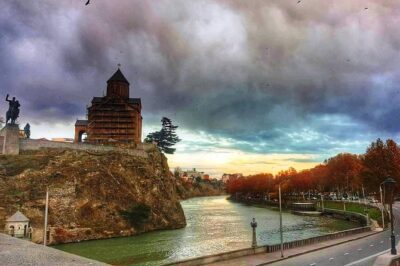

Tbilisi city tour PRIVATE excursion Airport and hotel pickup INCL
Read our review →
Tbilisi City Tour, Most Popular Tourists Destinations In The Capital Of Georgia
Read our review →
Browse the lists this tour appears in