

Reviewed · 7-DAY EXPERIENCES
Georgian Essence: Cultural Immersion in a week
Georgia packs an astonishing amount into a small country: Orthodox monasteries, wine villages, Soviet-era towns, high mountain roads, Black Sea resorts, and cave cities. This tour brings many of those sights together in one private eight-day route, with guide Irakli frequently praised for his friendly manner, careful driving, local knowledge, and willingness to stop for photographs.
I like the hands-on food moments, especially the bread and cheese tasting in Badiauri and the family cooking session near Mtskheta. I also like the range of scenery, from the dry hills around David Gareja to the Caucasus Mountains, western Georgian canyons, and the Black Sea coast. The main drawback is the ambitious schedule: several days cover long distances, and some stops are allotted only a few minutes.
Key points to know before booking
- Private transport and personal pacing: Your group travels alone, giving you more freedom than a standard coach tour.
- Guide Irakli: He is repeatedly praised for friendly service, local insight, careful driving, and practical help from airport arrival through the trip.
- Georgia’s major contrasts: The route joins Kakheti wine country, mountain fortresses, cave monasteries, western canyons, Kutaisi, and Batumi.
- Food is part of the tour: Expect Georgian breakfasts and lunches, village bread and cheese, qvevri-making, wine culture, and a cooking class with a local family.
- A demanding road itinerary: The program covers a lot of ground, so you should be comfortable with full sightseeing days and lengthy drives.
- Good value for a private tour: At $2,200 per person, the price includes private transport, selected hotels, breakfasts, lunches, and listed admission tickets.
A broad introduction to Georgia in eight days
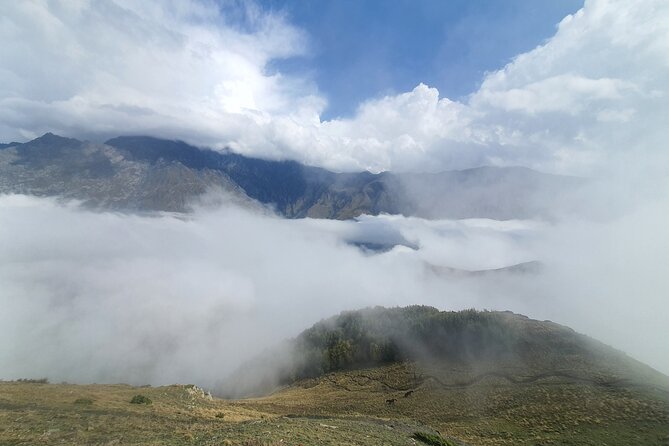
This is not a gentle city break. It is a fast-moving tour across much of Georgia, with Tbilisi serving as the starting point and the route reaching Kakheti, the Greater Caucasus, Samtskhe-Javakheti, Adjara, Imereti, and the western mountain districts.
That range is the tour’s greatest strength. You see Georgia as more than churches and old towns. You get wine traditions in the east, dramatic mountain roads in the north, Ottoman and European influences at Rabati Castle, Soviet industrial remains in Chiatura, and seaside modernity in Batumi.
The private format matters here. Georgia’s sights are spread out, and a flexible vehicle makes it easier to pause at viewpoints, adjust the day, and avoid the limitations of a fixed group. Guide Irakli is an especially important part of the experience. The available feedback repeatedly describes him as warm, attentive, helpful with photographs, and good at creating a comfortable atmosphere during long drives.
Still, you should study the route carefully. It is ambitious, and the timetable gives many major sites only 30 to 60 minutes. You will see a great deal, but you will not always have time for a slow museum visit, a long walk, or a second look at a favorite church.
A few more things to do in Tbilisi worth a look
- Private 7-Day Tours & Transfers from Tbilisi to Top Georgia Spots
★ 5.0 · 23 reviews - The Best of Georgia 7 Days Private Jeep Tour from Tbilisi
★ 5.0 · 19 reviews - Amazing All inclusive Tour for 7 Days From Tbilisi
★ 5.0 · 16 reviews
Day 1: desert monasteries, village bread, and Kakheti wine country
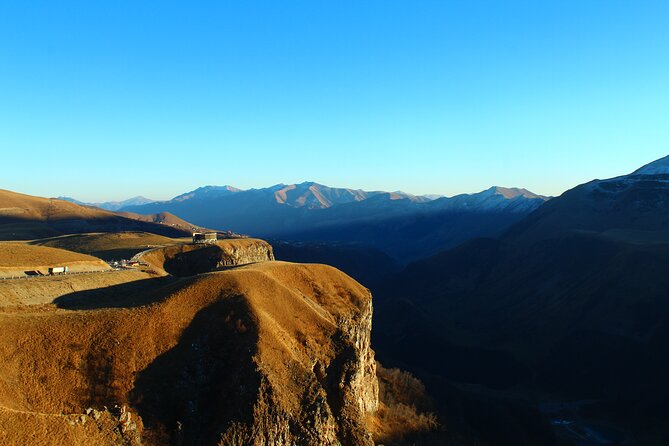
The first day begins at David Gareja, a sixth-century monastic complex cut into the dry hills near the Georgian and Azerbaijani border. Rock-hewn chapels, caves, old religious art, and the stark setting make this one of Georgia’s most unusual historic places.
The one-hour visit gives you an introduction rather than a full exploration. Conditions at the site can affect how much you see, and the rough terrain may require care. Still, the contrast with greener parts of Georgia makes David Gareja a memorable opening stop.
At Badiauri, the focus shifts from stone and faith to food. Local bakers prepare shotis puri in clay ovens, and you can pair the warm, canoe-shaped bread with aged cheese. This is a short 15-minute stop, but it offers a direct taste of village life and Georgian hospitality.
Bodbe Monastery follows, linked to Saint Nino, the figure traditionally credited with bringing Christianity to Georgia. The setting is quiet, and the site has strong religious importance. Thirty minutes is enough to see the main area and absorb the atmosphere, but not enough for a lengthy visit.
Signagi is the day’s most attractive town stop. Its hilltop streets, old balconies, tiled roofs, and views across the Alazani Valley give it a romantic feel. You have two hours here, which is a useful amount of time for walking, browsing small shops, and taking photographs.
The day ends in Telavi, the center of Kakheti. Its landmarks include Batonis Tsikhe and the former palace of King Erekle II, while the surrounding region is famous for wine. The listed 30-minute visit is brief, so think of Telavi as a short introduction rather than a full town tour.
Day 2: qvevri craft and an unusual mountain fortress
Vardisubani offers one of the tour’s most distinctive cultural stops. Here, you can see a qvevri maker at work. Qvevri are large clay vessels used in traditional Georgian winemaking, and the method has UNESCO recognition as an important cultural practice.
This visit gives you something a standard wine tasting cannot: a look at the vessel and craft behind the drink. The one-hour stop should suit anyone interested in food traditions, handwork, or the way Georgian customs remain part of daily life.
Kvetera Church, dating from the tenth century, brings you back to medieval religious architecture. Stone carving and surviving frescoes make it a worthwhile stop for anyone who enjoys smaller historic sites. With 40 minutes allotted, you should have time to inspect the church without feeling rushed.
The schedule then lists Shatili Medieval Fortress Village. Shatili is known for stone houses and defensive towers in the remote Khevsureti mountains. Its setting and architecture are highly unusual, but this is one point where you should ask the operator for precise routing and road details before booking. The listed program gives only one hour, and the site is far from many of the eastern Georgian stops.
That is a wider issue with this itinerary: several days appear to connect distant regions. Private transport helps, but it does not remove road time. If you prefer relaxed mornings and long café stops, this program may feel too full.
Day 3: Ananuri and the high road to Gergeti
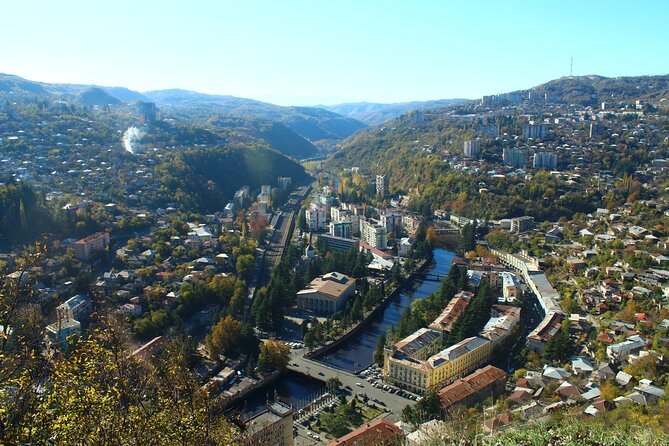
Ananuri Fortified Castle Ensemble is one of the route’s strongest architectural stops. Set above the Aragvi River Valley, the complex combines fortress walls, churches, carved stonework, and painted interiors. An hour gives you enough time to walk through the grounds and enjoy the setting.
The Russian-Georgian Friendship Monument near Gudauri is a shorter scenic stop. Its large mosaic panels and mountain viewpoint make it a good place for photographs. The monument also carries political and historical meaning, though the surrounding panorama is likely to be the main draw for most people.
Gergeti Trinity Church is the day’s signature destination. Perched above the mountain town of Stepantsminda, the fourteenth-century church has one of Georgia’s most recognizable settings. You have an hour to see the church and take in the views of the Caucasus peaks.
The high mountain route can be one of the most rewarding parts of the tour, but weather and road conditions matter. The cancellation terms specifically note that poor weather can affect the experience. Keep your clothing practical, and expect the mountain day to feel different from the warmer lowland stops.
Same base, a different sort of day:
- Day Trip to Kakheti Wine Region Including 9 Wine Tastings
★ 5.0 · 2,774 reviews - Highlights of Caucasus Mountains-Jinvali,Ananuri,Gudauri,Kazbegi(Group tour)
★ 5.0 · 2,682 reviews - Day Trip to Kazbegi and Gudauri
★ 5.0 · 2,009 reviews - Day Trip to Mtskheta Gori and Uplistsikhe
★ 5.0 · 1,801 reviews
Day 4: Georgia’s spiritual center and Soviet memory
Jvari Church sits above Mtskheta, Georgia’s former capital and one of the country’s major religious centers. The church is linked to Saint Nino and the early Christian era, and its hilltop position gives you broad views over the meeting of the Aragvi and Mtkvari rivers.
In Gori, the Stalin Museum presents a difficult part of twentieth-century history. The museum occupies Stalin’s birthplace and contains documents, photographs, and personal objects. It is worth visiting with an open mind, since the displays raise questions about memory, power, and the way historical figures are presented.
Uplistsikhe is more physically engaging. This ancient rock-cut town includes chambers, streets, stairs, religious spaces, and carved openings in the stone. The 90-minute visit gives you time to walk through the site, but comfortable shoes are sensible because the surfaces are uneven.
Svetitskhoveli Cathedral in Mtskheta is one of Georgia’s most important churches. Its medieval architecture, wall paintings, royal associations, and religious traditions make it a major stop, not just another church on a long list.
The best personal experience of the day is the cooking class with a local family. You help prepare dishes such as khinkali, Georgian dumplings, stews, and desserts, then sit down for lunch. This is the sort of activity that connects the monuments to everyday life. You are not only looking at Georgian culture, you are handling ingredients and sharing a meal.
The final stop, the Chronicles of Georgia, is a dramatic outdoor monument in Tbilisi. Huge sculpted figures depict episodes and personalities from Georgian history. Thirty minutes is enough to see the main work and enjoy the city views.
Day 5: canyon views, Vardzia, and Rabati Castle
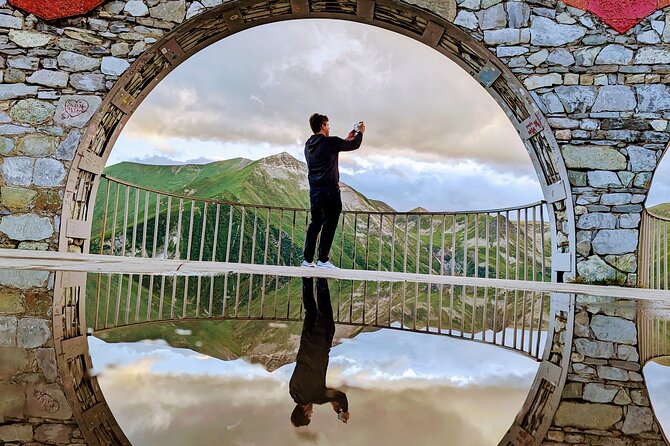
Dashbashi Canyon opens the day with a modern attraction in a natural setting. The Diamond Bridge crosses the canyon, giving you views of the cliffs and river below. The one-hour stop is well suited to photographs and a short walk.
Vardzia is one of the tour’s major highlights. This cliffside monastery was carved in the twelfth century and includes rooms, chapels, passages, and painted interiors. Two hours allows you to appreciate its scale and unusual design rather than simply taking a quick photograph from outside.
The site is spread vertically across the rock, so this is another place where good footwear and a reasonable level of mobility will help. The reward is a strong sense of how medieval communities used the terrain for worship, defense, and daily life.
Rabati Castle in Akhaltsikhe adds another layer of Georgian history. Its grounds include fortress walls, towers, a museum, a mosque, a church, and courtyards shaped by Georgian, Ottoman, and European influences. The one-hour visit gives you a compact look at the region’s mixed cultural past.
Day 6: from Goderdzi Pass to the Black Sea
Goderdzi Pass is a short scenic stop at about 2,025 meters. Mountain peaks, forests, valleys, and seasonal alpine scenery make it a fine place to break up the drive. The listed 20 minutes is enough for a viewpoint, not a hike.
At Makhuntseti, you see a waterfall and King Tamar’s Bridge. The pairing works well: nature provides the setting, while the old stone bridge adds a piece of medieval engineering. One hour gives you time to walk between the sights.
Batumi then changes the mood completely. Georgia’s Black Sea city has beaches, modern buildings, an old town, a long boulevard, restaurants, theaters, museums, and galleries. The itinerary lists only one minute for Batumi, clearly not enough for meaningful sightseeing, so you should confirm how much actual city time is intended.
If Batumi matters to you, ask for a longer walk along the boulevard or time in the old town. If you mainly want to cross the city on the way to the next stop, the current schedule may be fine.
Day 7: western Georgia’s water, caves, and Kutaisi
The Shekvetili Dendrological Park is listed for only two minutes, which is not enough to experience a park covering more than 100 hectares. Treat this as a scheduling point to clarify before departure. The park itself is designed for walks among plants from around the world, ponds, gazebos, and shaded paths, so it deserves more time if it is a priority.
Martvili Canyon is a stronger short visit. Turquoise water, steep rock walls, greenery, and a boat ride through the gorge create a calm change of pace. The listed hour should let you see the main area, though it may feel brief if the boat operation is busy.
Prometheus Cave takes you underground among stalactites, stalagmites, underground water, and large chambers lit to reveal the formations. The one-hour visit gives you a clear taste of the cave system without turning the day into a lengthy expedition.
Bagrati Cathedral rises above Kutaisi and offers views across the city. Its eleventh-century origins, carved stone, dome, and restoration make it an important stop for architecture and religion. You then have an hour in Kutaisi itself, enough for a first walk or meal stop, but not a full city tour.
Day 8: monasteries, Chiatura, and an industrial past
Gelati Monastery near Kutaisi is one of Georgia’s major cultural sites. Founded by King David the Builder in the twelfth century, it is known for its academy, religious buildings, and Byzantine-style frescoes. The itinerary lists one minute, which is plainly too short for a proper visit, so confirm the intended duration.
Motsameta Monastery is smaller and dramatically placed above the Rioni River. Its name refers to martyrs, and the church remains an important place of Orthodox devotion. Thirty minutes should allow a brief look at the church and surroundings.
Katskhi Pillar is among the most unusual sights on the route. A tall limestone column carries a small monastery at its summit, reached by a narrow ladder. The listed 40 minutes lets you view the pillar and understand its setting, but it does not mean you should expect a normal climb to the top.
Chiatura introduces a different Georgia. This former mining town is known for Soviet-era cable cars, sometimes called rope roads, built to carry miners and goods over the valleys. The town’s industrial character and old engineering system offer a sharp contrast to the churches and wine villages.
Mgvimevi Monastery finishes the sightseeing program in a quiet setting among limestone cliffs. Cave dwellings, chapels, and religious objects give the site a secluded feel. The final return to Tbilisi is described as a closing moment for the journey, but the exact timing is not provided, so ask how the last day is organized.
Is $2,200 good value?
At $2,200 per person, this is not a budget independent trip. The price makes more sense if you value private transport, a dedicated guide, selected hotels, breakfasts, lunches, and the convenience of having many admission tickets handled for you.
You are also paying for route planning across a country where major sights are widely scattered. Private travel can save you from arranging several separate transfers and makes it easier to stop at places such as Badiauri, Makhuntseti, and the qvevri workshop.
The value is weaker if you want slow travel. The schedule is full, some listed durations are extremely short, and the route covers enough territory that driving may take a large share of each day. Before paying, ask for the exact hotel names, vehicle details, daily driving estimates, and clarification of the stops with one or two minutes listed.
The private format and group discounts may improve the per-person cost for families or friends traveling together. Free cancellation is available up to 24 hours before the start time. Changes made within 24 hours are not accepted, and poor weather may lead to a new date or a full refund.
Who should book this Georgia tour?
I would recommend it to first-time visitors who want a wide survey of Georgia without arranging every transfer themselves. It also suits couples, families, and small groups who value privacy and want to ask for photo stops or small timing changes.
Food-focused visitors will appreciate Badiauri, qvevri making, Georgian wine country, and the family cooking class. History fans get fortresses, monasteries, cave towns, Soviet memory, and industrial architecture in one trip.
I would be more cautious if you dislike long drives, uneven historic sites, high mountain roads, or tightly packed days. Most people can participate, but the program includes caves, hills, fortresses, and outdoor sites, so you should be comfortable walking at each stop.
Should you book it?
Book this tour if your goal is to see many sides of Georgia in one private trip, with guide Irakli handling the road days and helping connect food, faith, scenery, and local life. The strongest reasons are the private vehicle, the unusually broad route, and the practical cultural activities that go beyond taking photographs.
Before booking, get the day-by-day driving plan and ask for corrections to the very short stop times at Batumi, Shekvetili, Gelati, and other sites. If the operator confirms sensible visit lengths, the tour can be a strong introduction to Georgia. If you prefer lingering in one region, choose a shorter route focused on Tbilisi, Kakheti, or the Caucasus instead.
FAQ
How long is the tour?
The tour lasts approximately eight days and finishes with a final day in Tbilisi.
Is this a private tour?
Yes. Only your group participates in the activity.
Is pickup available?
Yes, pickup is offered.
Who is the guide?
Guide Irakli is associated with the tour and is described as providing support from airport arrival through the end of the trip.
What meals are included?
Hand-picked hotel accommodation, breakfasts, and lunches are included. The itinerary also includes a local family cooking class and lunch near Mtskheta.
Are admission tickets included?
Admission tickets are included for the listed sites where the itinerary specifies them, including David Gareja, Bodbe Monastery, Ananuri, Gergeti Trinity Church, Vardzia, Rabati Castle, Martvili Canyon, Prometheus Cave, and several monasteries.
What is the cancellation policy?
You can cancel at least 24 hours before the experience starts for a full refund. Cancellations or changes made within 24 hours are not accepted for a refund, and poor weather may result in a different date or a full refund.
Just added in Tbilisi
- Private Adorable City Tour of Tbilisi★ 5.0 · 3 reviews
- Tbilisi Airport to Gudauri, Bakuriani, Batumi, Tbilisi★ 5.0 · 3 reviews
- full day Kazbegi-Gudauri-jvari -from Tbilisi★ 5.0 · 6 reviews
- Old tbilisi walking tour & wine tasting★ 5.0 · 9 reviews
- Vardzia. Lake Paravani, Khertvisi & Lomisa castle, Rabati★ 4.5 · 12 reviews
- Your unique photo session in Tblisi, Georgia★ 3.5 · 4 reviews
- Wine promenade in hospitable Tbilisi★ 5.0 · 17 reviews
- Private Wine Tour In Kakheti Region with 7 Wines and Lunch★ 5.0 · 3 reviews
7-Day Experiences, compared.
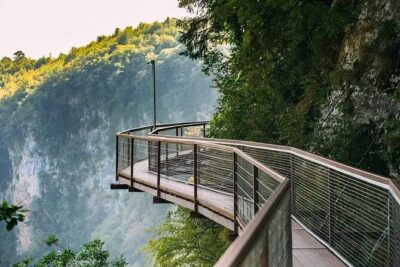
Private 7-Day Tours & Transfers from Tbilisi to Top Georgia Spots
Read our review →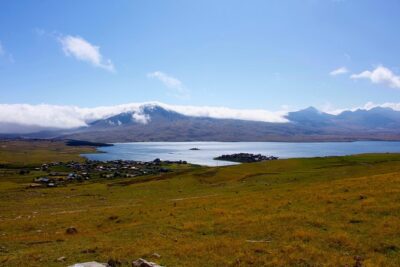
The Best of Georgia 7 Days Private Jeep Tour from Tbilisi
Read our review →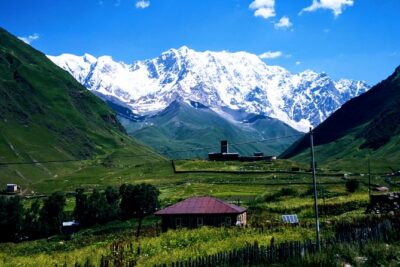
Amazing All inclusive Tour for 7 Days From Tbilisi
Read our review →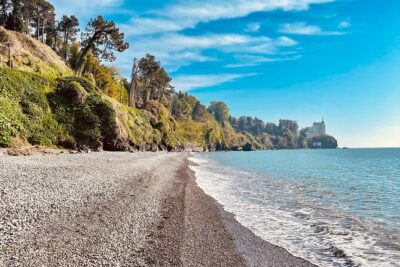
Georgia in 7 Days: A Haven for Nature and Sea Lovers
Read our review →
7-Day Georgian Wine and Culinary Private Tour with Cooking Class
Read our review →
7-day hiking expedition to Tusheti through the Atsunta pass
Read our review →Browse the lists this tour appears in