
Reviewed · SOVIET-ERA & BRUTALIST TOURS
Soviet Tour – Hidden Tbilisi
Tbilisi’s Soviet past is easiest to understand away from the postcard streets. This small-group tour takes you to a bold Bank of Georgia headquarters, the vast Chronicles of Georgia monument, and an underground printing house tied to Stalin’s early revolutionary work. It is a useful way to see how Soviet power shaped buildings, monuments, and daily life.
I like the small maximum of six people and the air-conditioned vehicle, especially since the sights are spread across the city. I also like the human side of the tour: guides such as Giorgi, Irakli, David, and George are described as warm, flexible, and ready to explain how architecture connects with Georgian history.
The main consideration is the price, $99 per person. That is a serious spend for a 3 to 4-hour outing, though it includes a private-feeling small group, transport during the tour, a professional guide, and admission to the included sites. The meeting point is central, but getting there and returning home are your responsibility.
Key points to know before booking
- A six-person maximum keeps the tour personal: You should have room to ask questions and follow the guide’s explanations without a large coach group getting in the way.
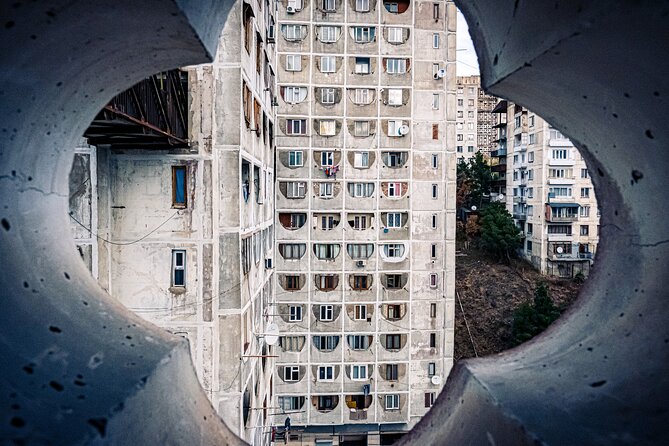
- The Bank of Georgia building is more than a strange shape: Your guide explains the practical reason behind its unusual design and why it is often ranked among the top examples of Soviet architecture.
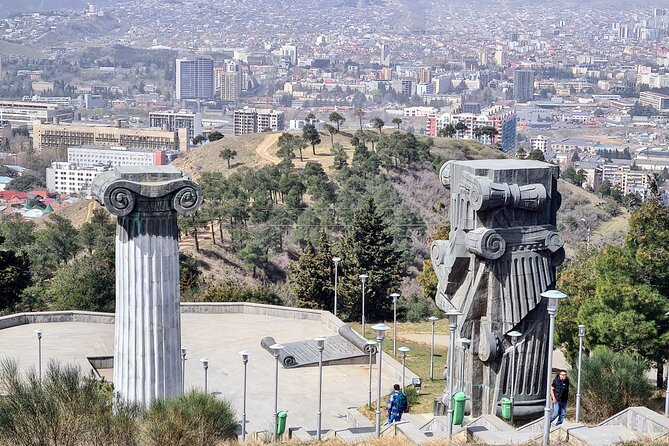
- The Chronicles of Georgia brings scale and views: This Socialist monumental work offers a broad look toward Tbilisi’s outer districts.
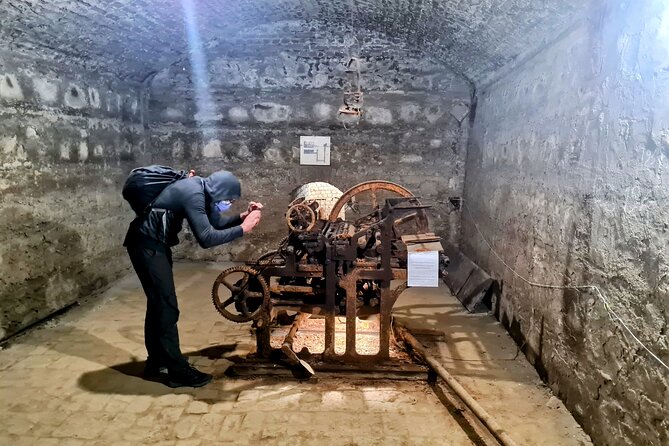
- The underground print shop adds political weight: You visit a preserved working space linked to Stalin and revolutionary propaganda.
- The tour reaches places you might skip alone: The sights are spread around Tbilisi, so the vehicle saves time and effort.
- Guides can add personal touches: Past outings included introductions to historians, extra stops such as a Soviet car museum, and even a bean-filled khachapuri surprise.
Why Soviet Tbilisi deserves half a day
Tbilisi is often sold through its old town, sulfur baths, balconies, churches, and river views. Those sights matter, but they tell only part of the city’s story. Soviet rule left its mark in less obvious places: public buildings, enormous monuments, transport corridors, housing districts, and spaces built for political work.
This tour is designed around that less polished side of the city. You are not simply ticking off famous landmarks. You are moving between different kinds of Soviet architecture and asking what each building was meant to do.
That variety is the tour’s strongest idea. The Bank of Georgia headquarters shows how bold design could serve a practical institution. The Chronicles of Georgia uses monumental stonework to create a political and cultural statement. The underground printing house takes you into a cramped, secret world of leaflets and planning.
I would choose this outing if you have already seen central Tbilisi or if you want a stronger grasp of Georgia under Soviet rule. It also suits anyone interested in architecture, propaganda, political history, or the way public buildings reflect the values of their era.
The tour is offered in English and uses an air-conditioned vehicle. That matters in Tbilisi, where the sites are scattered rather than arranged in one easy walking route.
Other city walks in Tbilisi:
- 1 Day Private Armenia: UNESCO, Soviet & Curated Family Lunch
★ 5.0 · 106 reviews - Tbilisi old town & soviet heritage – Private driver-guided Tour
★ 5.0 · 83 reviews - Armenia: 1 Day Soviet gems, UNESCO + Family lunch (Small group)
★ 5.0 · 68 reviews
Starting at Rose Revolution Square
The meeting point is 2 Rose Revolution Square, in central Tbilisi. The tour ends back at the same meeting point, and transfers to and from that location are not included.
You should plan your own route to the square and leave enough time to arrive before departure. The area is near public transportation, which makes the start practical, but the experience does not include pickup from your hotel or airport.
Once the group leaves, the format is simple: drive between sites, listen to the guide’s explanation, and get time at each stop. The small group makes a difference here. You can ask why a building was designed in a certain way, how Soviet ideas affected Georgia, or what happened to a site after the Soviet period.
Past guides have included Giorgi, Irakli, David, and George. Their personalities may differ, but the strongest pattern is clear: you are booking a guide-led history outing, not a self-guided architecture transfer. Communication before the tour has also been described as friendly and clear.
The Bank of Georgia’s practical monument
The Bank of Georgia headquarters is one of the tour’s best stops for people who enjoy architecture with a puzzle attached. Its shape looks unusual at first glance, but the design has a pragmatic reason behind it.
Your guide can help you read the building instead of simply photographing it. You will hear how its form works, why it became such a recognizable example of Soviet design, and how function and spectacle were combined.
The stop lasts about 15 minutes and has no separate admission charge. That is enough time for an explanation and a close look, though it is not a long architectural study.
Do not expect a museum visit here. The value comes from the guide’s interpretation and from seeing an active city building in context. If you like architecture but do not have the vocabulary to explain why a structure feels so strange or powerful, this is the sort of stop where a local guide earns the fee.
The Chronicles of Georgia and its wide view
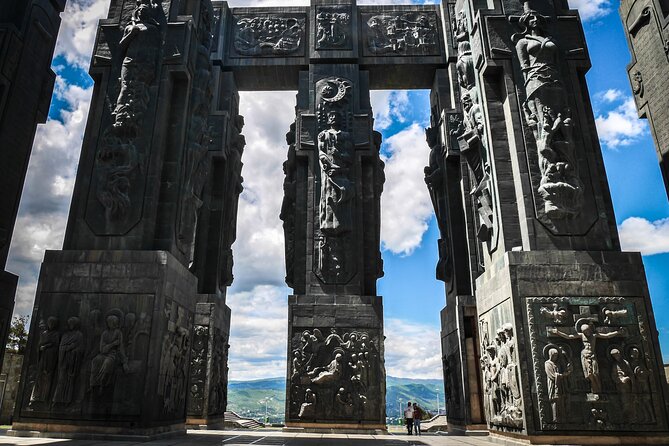
The Chronicles of Georgia is often called the Stonehenge of Tbilisi because of its huge stone columns and commanding scale. The comparison is informal, but it gives you a quick sense of the place: this is not a small statue tucked into a square.
The monument is a strong example of Socialist monumentalism, a style that favored size, drama, public symbolism, and a sense of historical importance. The 30-minute stop gives you time to take in the structure and look across Tbilisi’s outer districts.
I like this stop because it connects architecture with geography. From here, you do not see only a monument. You also get a panorama of suburban Tbilisi, which helps you understand how the city extends beyond its old center.
The scale can be hard to appreciate from photographs. You need time to walk around, look up, and compare the monument’s human figures and stone surfaces with the surrounding city. Comfortable shoes are sensible, although the tour information does not specify the walking conditions in detail.
This is also one of the most visual parts of the outing. If you are traveling with someone who is less interested in political history, the monument and the view may be an easy point of shared interest.
Same base, a different sort of day:
- Day Trip to Kakheti Wine Region Including 9 Wine Tastings
★ 5.0 · 2,774 reviews - Highlights of Caucasus Mountains-Jinvali,Ananuri,Gudauri,Kazbegi(Group tour)
★ 5.0 · 2,682 reviews - Day Trip to Kazbegi and Gudauri
★ 5.0 · 2,009 reviews - Day Trip to Mtskheta Gori and Uplistsikhe
★ 5.0 · 1,801 reviews
Inside Stalin’s underground printing house
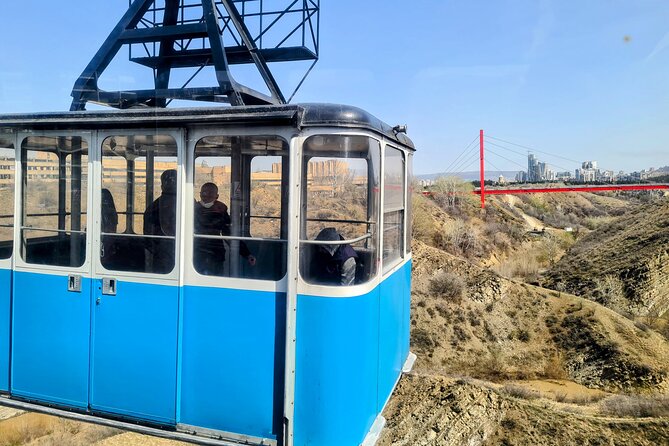
The J. Stalin Underground Printing House Museum gives the tour its most direct connection to revolutionary activity. Here, Stalin and his supporters produced plans and propaganda leaflets in an underground setting.
The visit lasts about 40 minutes, and admission is included. That makes it more than a quick exterior stop. You have time to hear how the site functioned and why underground print work mattered to political movements before and during Soviet rule.
This part of the tour is particularly useful because it brings politics down to a human scale. Monumental buildings can make Soviet history feel distant and official. A hidden printing workplace suggests secrecy, risk, organization, and the physical labor behind political messaging.
The title can sound dramatic, so keep your expectations measured. The information provided does not promise a large museum complex or a long series of displays. The appeal is the preserved underground setting and the story attached to it.
Guides may also connect the site with wider life under Soviet rule. One guide was praised for explaining how the period affected Georgia in big ways and small ones, including cultural restrictions such as banned cartoon characters in some communist countries. That kind of detail can turn a political subject into something easier to picture.
The broader drive through non-touristic Tbilisi
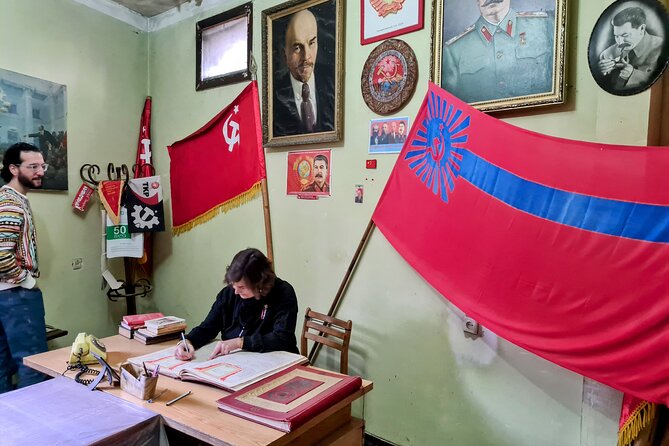
The first part of the experience is described as a two-hour exploration of less-touristic Tbilisi, with Soviet-era monuments and buildings spread across the city. The three named stops are the clearest anchors, but the route can include other places with Soviet character.
That flexible structure is useful. You are not locked into one narrow theme such as architecture alone. A guide can point out how buildings were used, how neighborhoods changed, and how Soviet design mixed practical needs with ideological messaging.
The air-conditioned vehicle is a real comfort, not just a listed feature. Tbilisi’s sights are not all within a pleasant stroll of one another, and driving lets you cover more ground without spending your limited holiday time navigating buses or taxis.
The tradeoff is that some of the city passes by through a vehicle window. If you want long walks, street photography, or a slow look at every facade, this is not the right format. The tour favors range and explanation over lingering at one neighborhood.
Guides who add more than a script
The guide is central to the value of this experience. Several guide names appear in the available information, including Giorgi, Irakli, David, and George. You may not receive a particular guide unless the operator confirms one, but the examples give you a sense of the intended style.
Giorgi was praised for explaining five Soviet-related places, showing how each reflected a different part of Soviet influence, and arranging introductions to two historians connected with the sites. Those meetings are not listed as a guaranteed feature, so treat them as a possible bonus rather than part of the promise.
Irakli was described as able to answer questions about Georgian history and the Soviet period while keeping the outing enjoyable. David was noted for linking architecture with both modern and historic Georgia. George was described as flexible enough to adjust the route and drop a participant at a more convenient place afterward.
The practical lesson is to ask questions. This is not the sort of tour where you should stay silent and wait for a speech. Ask how a building was used, what changed after independence, or how ordinary people experienced the system. The small group makes that conversation possible.
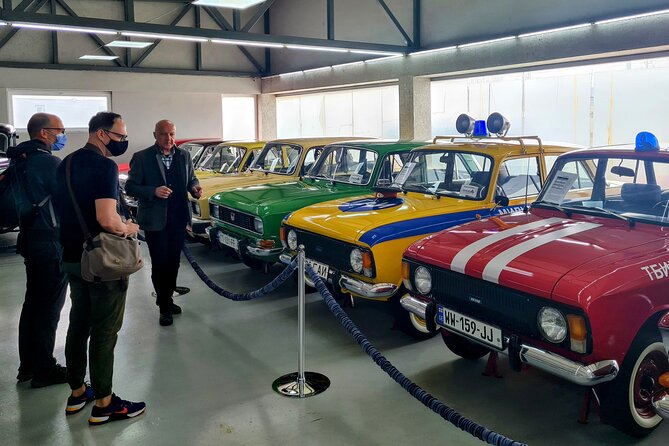
An extra stop at a Soviet car museum has also been mentioned. It included restored cars and bikes, but it is not part of the core route described here. Ask the operator in advance if you want to know whether an additional stop is possible on your date.
What the $99 price buys you
At $99 per person, this is not a bargain sightseeing bus. You are paying for a compact group, a guide, an air-conditioned vehicle, and access to sites that are spread across Tbilisi.
The value improves if you are short on time or would otherwise need several taxis to reach the locations. It also improves if you care about interpretation. The Bank of Georgia headquarters and Chronicles of Georgia are easy to photograph, but the meaning behind them is less obvious without context.
The value is weaker if you mainly want a cheap ride around town or if you already have a strong plan for reaching the sites independently. The tour does not include transfers to and from the meeting point, so the $99 is not a door-to-door package.
Included admissions help, especially for the underground printing house and the initial guided exploration. The Bank of Georgia and Chronicles of Georgia do not require a separate admission charge, so the larger part of the fee covers transport, planning, and the guide’s time.
Group discounts may be available. If you are traveling with several people, check the final price rather than assuming the listed individual rate is the only option.
Timing, group size, and comfort
The advertised duration is about 3 to 4 hours. One past outing lasted about five hours, with several historical stops and extra conversations, so you should avoid scheduling a tight appointment immediately afterward.
The maximum group size is six. That is small enough for a more personal exchange and much easier to manage at an underground museum or a large monument than a full coach group.
The vehicle is air-conditioned, which is helpful during warm weather and on a route that crosses different parts of the city. You will still need to get in and out at several stops, so this is not a fully seated sightseeing experience.
Most people can participate, and the route is near public transportation at the start. The supplied details do not describe step-free access, walking distances, or restroom arrangements, so ask the operator directly if those details matter to you.
Free cancellation is available if you cancel at least 24 hours before the local start time. Changes or cancellations inside that window are not accepted for a refund.
Who should book this Tbilisi tour?
I would put this tour high on the list for anyone curious about the Soviet Union’s effect on Georgia. It is also a good match for architecture fans, history students, photographers who want unusual subjects, and repeat visitors who have already seen the old town.
It suits you if you like asking questions and hearing a guide connect separate places into one story. It is less suitable if your ideal day is a slow cafe crawl, a long hike, or a tour focused on medieval Georgian churches.
Families and mixed-interest groups may find the variety helpful. The large monument, city views, unusual headquarters, and underground museum offer different kinds of appeal. The history is serious, but the guides can add lighter details and respond to interests outside the planned route.
Should you book Soviet Tour: Hidden Tbilisi?
Book it if you want access to scattered Soviet-era sites without arranging the transport yourself, and if a guide’s explanation matters as much as the buildings. The Chronicles of Georgia, Bank of Georgia headquarters, and underground printing house give you a varied look at Tbilisi’s Soviet past.
Think twice if $99 feels high for a half-day outing or if you prefer exploring independently. Before paying, confirm the exact start time, expected duration, guide, and any optional stops. For the right audience, this is a focused and personal way to see a side of Tbilisi that ordinary city walks usually miss.
FAQ
Where does the tour start?
It starts at 2 Rose Revolution Square, Tbilisi 0108, Georgia.
Where does the tour end?
The activity ends back at the meeting point.
How long does the tour last?
The advertised duration is approximately 3 to 4 hours. One past outing lasted about five hours, so allow some flexibility.
How many people can join?
The group has a maximum of six participants.
Is the tour offered in English?
Yes. The tour is offered in English.
Is transportation included during the tour?
Yes. An air-conditioned vehicle is included. Transport to and from the meeting point is not included.
Are admission tickets included?
Admission is included for the main guided exploration and the J. Stalin Underground Printing House Museum. The Bank of Georgia stop and Chronicles of Georgia have no separate admission charge.
Is the tour suitable for most people?
Yes. The provided information says most participants can take part. Specific details about step-free access and walking conditions are not provided.
Can I cancel for a full refund?
Yes, if you cancel at least 24 hours before the experience start time. Cancellations or changes made less than 24 hours before the start are not accepted for a refund.
Just added in Tbilisi
- Private Adorable City Tour of Tbilisi★ 5.0 · 3 reviews
- Tbilisi Airport to Gudauri, Bakuriani, Batumi, Tbilisi★ 5.0 · 3 reviews
- full day Kazbegi-Gudauri-jvari -from Tbilisi★ 5.0 · 6 reviews
- Old tbilisi walking tour & wine tasting★ 5.0 · 9 reviews
- Wine promenade in hospitable Tbilisi★ 5.0 · 17 reviews
- Vardzia. Lake Paravani, Khertvisi & Lomisa castle, Rabati★ 4.5 · 12 reviews
- Your unique photo session in Tblisi, Georgia★ 3.5 · 4 reviews
- Wine Tasting in Tbilisi★ 5.0 · 8 reviews
Soviet-Era & Brutalist Tours, compared.

1 Day Private Armenia: UNESCO, Soviet & Curated Family Lunch
Read our review →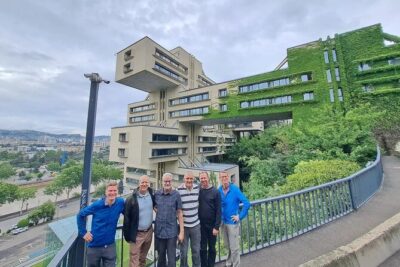
Tbilisi old town & soviet heritage – Private driver-guided Tour
Read our review →
Armenia: 1 Day Soviet gems, UNESCO + Family lunch (Small group)
Read our review →
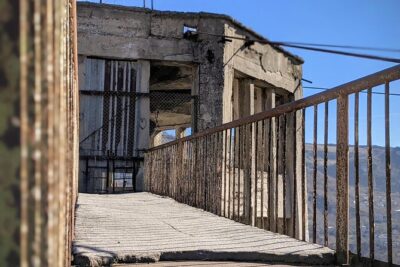
Soviet past – Private day tour to Chiatura, Katskhi pillar and Chronicles
Read our review →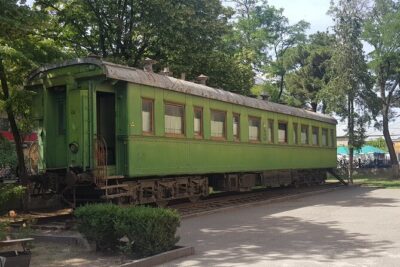
Soviet Story – Private day trip to Chiatura, Stalin’s museum and Katskhi pillar
Read our review →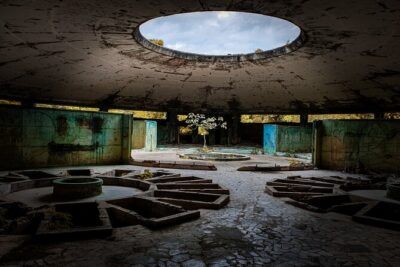

2-Day Kutaisi Tour: Caves, Canyons & Soviet Sanatoriums
Read our review →Browse the lists this tour appears in