
Reviewed · 3-DAY EXPERIENCES
3 Days private tour in Georgia from Tbilisi
Georgia packs an astonishing range of sights into three days: ancient churches, hot springs, wine country, mountain roads, and high Caucasus viewpoints. This private tour lets you move between them without building your own transport plan. I especially like the flexible schedule and the chance to shape the pace with guide David or Davit.
I also like the variety. One day takes you from Mtskheta’s sixth-century Jvari Church to Tbilisi’s sulfur baths, another reaches Kakheti wine country, and the final day follows the Georgian Military Road toward Kazbegi. The main consideration is time: the route is full, and some days involve long drives with only short visits at each stop.
Key points to know before booking
- Three very different days: Tbilisi and Mtskheta, Kakheti wine country, then the Caucasus mountains.
- A genuinely private format: Only your group participates, with private transport and an adjustable schedule.
- David or Davit is central to the experience: The praise focuses on his warmth, humor, care, and strong commitment.
- Several extras cost more: Narikala’s cable car, the Khareba tunnel visit, food, drinks, and the optional 4WD ride to Gergeti are not included.
- $220 per person can be good value: You receive three days of private transport, an air-conditioned vehicle, WiFi, water, airport transfers, and taxes.
- Expect a busy pace: This suits you if you want a broad first look at Georgia rather than slow, extended visits.
Why this route works for a first look at Georgia
The route gives you three useful snapshots of the country. Day one covers the spiritual and urban center around Tbilisi. Day two moves east into Kakheti, Georgia’s best-known wine region. Day three heads north along the Aragvi River toward the high mountains and Gergeti Trinity Church.
That range is the tour’s strongest feature. You are not spending three days looking at similar churches or repeating the same kind of scenery. Instead, you get medieval monuments, modern Tbilisi, village and valley views, wine storage tunnels, a ski resort, and a mountain church at 2,170 meters.
The private setup matters here. The schedule is not locked to a strict written timetable, so you can discuss how long to spend at a stop. That does not erase the driving distances, but it gives you more control than a fixed coach outing. You also have a direct point of contact in David or Davit, whose style is described as funny, attentive, caring, and highly involved in the day.
A few more things to do in Tbilisi worth a look
- Best of Armenia: private 2-3 days tour to Yerevan w/ family lunch
★ 5.0 · 38 reviews - Private 3-Day Tours & Transfers from Tbilisi to Top Georgia Spots
★ 5.0 · 31 reviews - 3 Day Tusheti Tour Explore Unspoiled Wilderness
★ 5.0 · 28 reviews
Day one: Mtskheta monuments and old Tbilisi
The first morning begins at Jvari Church, perched above the meeting point of the Mtkvari and Aragvi rivers. The view helps explain why Mtskheta was chosen as the old capital of the Kingdom of Iberia. From this rocky height, you can see the town below and the two rivers joining in the valley.
Jvari is a sixth-century Georgian Orthodox monastery, with the present Great Church generally dated to 586 to 604. The stop lasts about 30 minutes, which is enough for the main view and a look at the church, though not a long, quiet visit. Admission is included.
You then descend to Svetitskhoveli Cathedral in Mtskheta. Allow about an hour here. This is one of Georgia’s most important religious and architectural sites, and the cathedral is traditionally linked with the burial place of Christ’s mantle. Its name means Cathedral of the Living Pillar.
The Mtskheta area is recognized by UNESCO, and Svetitskhoveli gives you a strong sense of Georgia’s Orthodox tradition. It is a better place for a longer stop than Jvari because there is more to examine inside and around the cathedral. Modest clothing is sensible when visiting Georgian churches.
Back in Tbilisi, you visit Holy Trinity Cathedral, also called Sameba. Built between 1995 and 2004, it combines traditional Georgian church forms with a much more recent construction date. The planned visit takes around 40 minutes.
Sameba is a useful contrast with Mtskheta. After seeing Georgia’s old religious centers, you see the country’s main Orthodox cathedral in the capital. The grounds also give you room to take in the scale of the building without needing a long visit.
The old Tbilisi section is more varied and more relaxed. At Meidan Bazaar, the route continues toward the Legvtakhevi ravine and its waterfall, then through the sulfur bath district. The baths use natural hot springs, and some buildings date from the seventeenth to nineteenth centuries.
This is the part of the day where I would ask for a little flexibility. The listed time is about an hour, but you may want to linger for photographs, browse the souvenir shops, or pause at a cafe on Sharden Street. Meidan Square has cafes, bars, pubs, art galleries, and shops, so it feels less like a formal sightseeing stop and more like a chance to get your bearings in the old city.
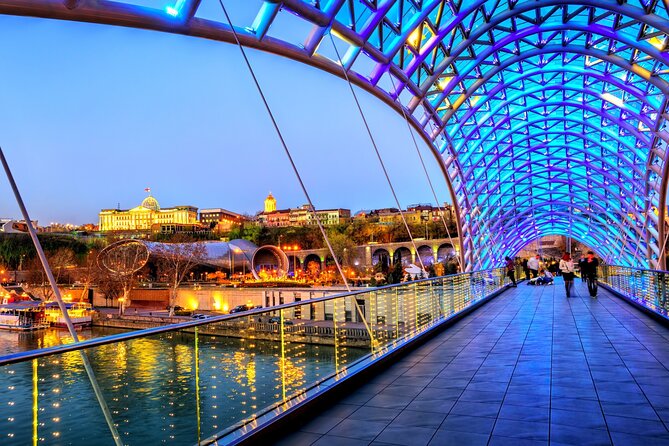
The Bridge of Peace takes only about five minutes. Its curved glass and steel form crosses the Mtkvari and opened in 2010. It is modern, polished, and very different from the churches and baths nearby. Do not expect a long visit, but it connects the old-city walk with the next stop.
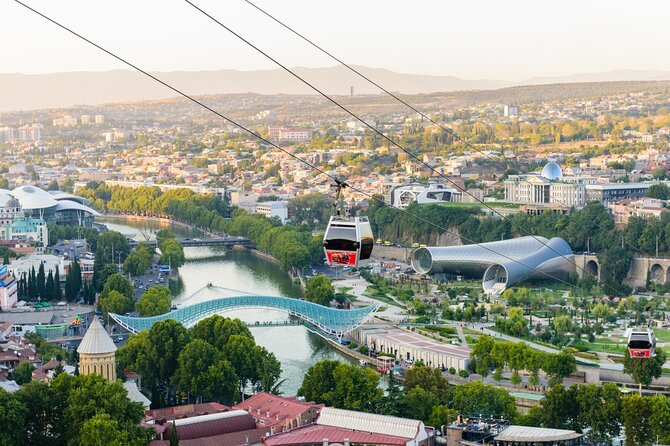
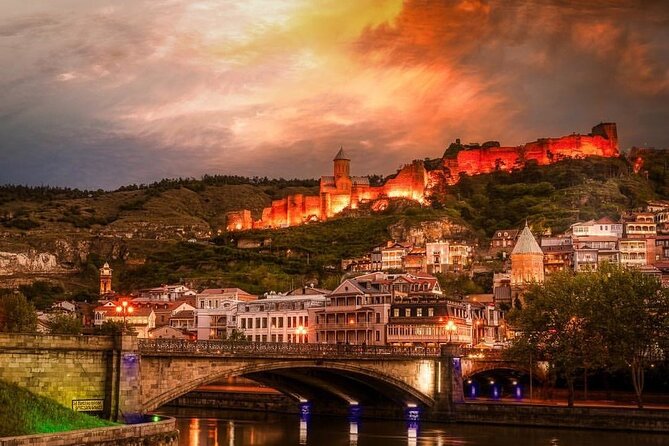
Narikala Fortress brings the day to a high point, literally. You ride the cable car up, look across Tbilisi, and see the Mother of Georgia statue, known as Kartlis Deda. The fortress has origins in the fourth century, with later work in the seventh and twelfth centuries. The name Narikala came from the Mongols and means little fortress.
The cable car is not included, so carry some local currency or confirm the current payment method. The listed visit is about 50 minutes, including the fortress and statue area, followed by the ride back down. The height and uneven historic surfaces mean comfortable shoes are useful.
Day two: Bodbe, Sighnaghi, and Kakheti wine
Day two heads east to Kakheti. The first stop is Bodbe Monastery of St. Nino, an important religious site connected with the saint who brought Christianity to Georgia. St. Nino’s remains are held at the St. George Cathedral, and a newer cathedral is being built nearby using older Georgian construction methods.
The visit lasts around 45 minutes and has no listed admission charge. Bodbe is a quieter religious stop than the grand cathedrals around Tbilisi and Mtskheta. The value is not just the building, but the connection to the origins of Georgian Christianity.
Next comes Sighnaghi, known as the City of Love. The hill town was once part of the Silk Road network and has been restored with improved infrastructure. It overlooks the Alazani Valley and has cafes, hotels, restaurants, wine, and a small-town setting that feels very different from Tbilisi.
You have about an hour here. That is enough for a walk, views, and a quick meal if the schedule allows, but it is not a full afternoon in town. Sighnaghi is a good place to tell David or Davit if you want more time in a town and less time at a later stop. The flexible format gives you a chance to make that trade.
The final stop is Khareba’s Tunnel Winery near Kvareli. The unusual feature is a 7.7-kilometer network of tunnels cut into a hillside in the early 1960s. The tunnels provide stable temperatures for storing and aging wine, and the company keeps more than 25,000 bottles there, including European-style and qvevri wines.
A portion of the tunnels is open for visits, with tastings held inside. The route also goes toward a viewing tower and restaurant. The planned visit is about 45 minutes, and admission is not included.
This is one of the most distinctive stops on the trip, especially if you want to understand that Georgian wine is more than a tasting-room product. The qvevri method uses large clay vessels, a tradition closely linked with the country’s winemaking culture. If you do not drink wine, the tunnels and setting still make the stop worthwhile, but the visit naturally gives wine a central role.
Food and drinks are not included anywhere on the tour. That keeps the base price clear, but you should budget separately for meals, wine tastings, and any cafe stops.
Day three: the Georgian Military Road to Gergeti
The final day is the most scenic and the most dependent on road conditions. The first photo stop is at Jinvali Reservoir, an artificial lake created by a hydroelectric dam built in 1986. Its blue water, framed by mountain slopes, makes a natural pause on the route toward Ananuri and Kazbegi.
At Ananuri Fortified Castle Ensemble, you spend about 45 minutes beside the Aragvi River. The complex is valued because it has reached the present in its original form. Its walls, towers, and churches give you a clear picture of a Georgian defensive site rather than a single isolated monument.
Pay attention to the Assumption Church, dating from the seventeenth century. Its facade contains carved reliefs with symbolic details. This is a stop where a guide adds real value, since the stone decoration and the history of the Aragvi eristavi are easy to pass without context.
The route then pauses at the Aragvi River for about 15 minutes. The White Aragvi flows from Gudauri toward Pasanauri, where it meets the Black Aragvi. The combined river continues to Jinvali Reservoir and later joins the Mtkvari near Mtskheta.
This is a short stop, mainly for the river setting and photographs. If you prefer monuments to nature pauses, you may want to keep it brief and protect time for Gergeti.
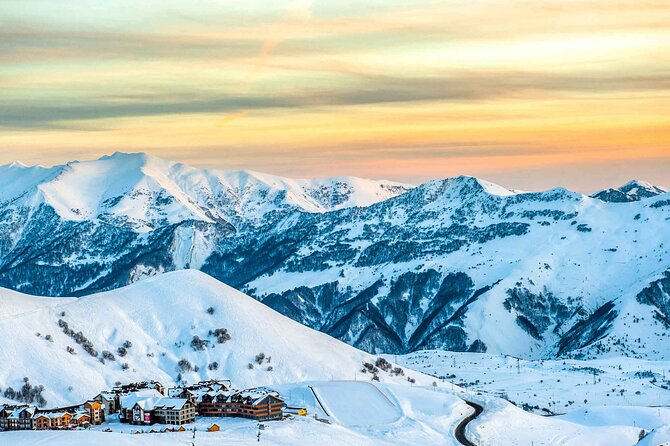
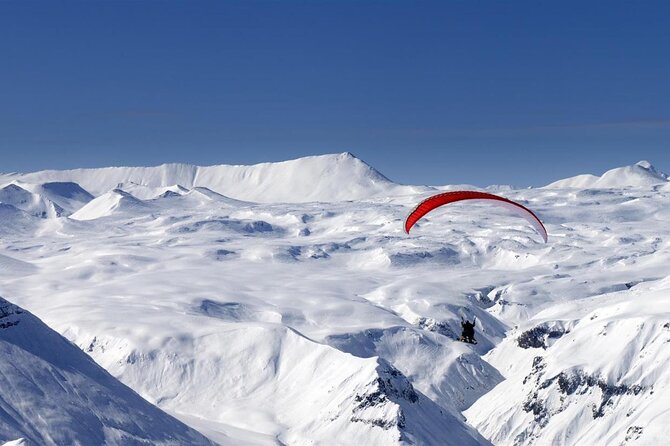
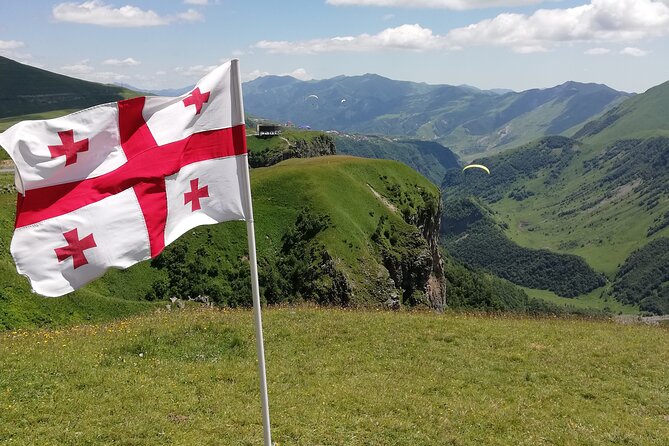
Gudauri is Georgia’s largest and highest ski resort, with elevations from 1,993 to 3,276 meters. In winter, it is a ski destination, while in other seasons the mountain views and cable car access are the main draw. The visit is listed at about an hour, and the cable car is not specifically included in the tour price.
The altitude can make this day feel different from Tbilisi. Bring layers, even if the capital is warm, and expect weather to change quickly in the mountains. The tour requires good weather, so this is the day most likely to be affected by conditions.
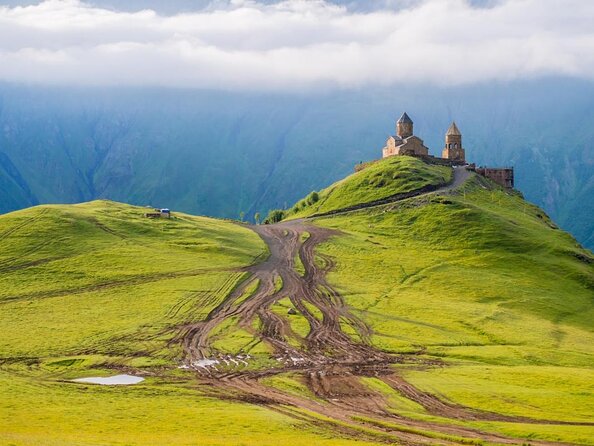
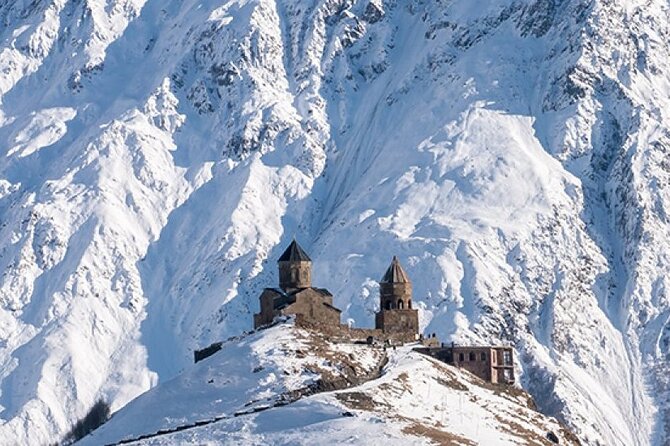
The final major stop is Gergeti Trinity Church near Stepantsminda, at 2,170 meters beneath Mount Kazbek. The church sits above the village of Gergeti on the right bank of the Chkheri River. Its isolated position is the reason it appears in so many photographs of Georgia.
The ride from Kazbegi to Gergeti by 4WD vehicle is optional and not included. Confirm the cost and arrangement before you reach this part of the route. The church visit is planned for about an hour, but weather and road conditions may affect how long you can stay.
Gergeti is the emotional high point for many people on this route, but it is not a simple city sightseeing stop. The road to it is a mountain transfer, and the final setting depends on clear views. Keep that in mind when deciding how much importance to place on this day.
Same base, a different sort of day:
- Day Trip to Kakheti Wine Region Including 9 Wine Tastings
★ 5.0 · 2,774 reviews - Highlights of Caucasus Mountains-Jinvali,Ananuri,Gudauri,Kazbegi(Group tour)
★ 5.0 · 2,682 reviews - Day Trip to Kazbegi and Gudauri
★ 5.0 · 2,009 reviews - Day Trip to Mtskheta Gori and Uplistsikhe
★ 5.0 · 1,801 reviews
What $220 per person covers
At $220 per person, the value depends on your group size and how much you would otherwise spend arranging three separate day trips. This is a private experience, not a shared vehicle, and the price includes private transport, an air-conditioned vehicle, WiFi on board, bottled water, airport transfers, and all fees and taxes.
That package removes several practical worries. You do not need to find separate transport to Mtskheta, Kakheti, or Kazbegi, and you can discuss the pace directly with the guide. Airport transfers add value if you are arriving or leaving around the tour dates.
The price does not cover everything. Food and drinks are separate. Narikala’s cable car, the Khareba winery visit, and the optional 4WD transfer from Kazbegi to Gergeti are also extra. Ask about these costs before departure so the final budget does not surprise you.
The strongest personal element is the guide. The feedback about David or Davit repeatedly centers on friendship, humor, attention, and commitment. That suggests this tour works best for you if you want conversation and a guide who takes an active role, rather than a silent driver who simply follows a route.
Who should book it
I would choose this tour for a first visit when you want to see a lot in a short stay. It suits couples, families, and small private groups who value door-to-door transport and want the freedom to adjust the schedule.
It is less suitable if you want slow church visits, long hikes, extended wine tastings, or several unplanned hours in each town. The route covers a lot of ground, especially on day three.
Most people can participate, and the tour is near public transportation, though the experience itself uses private transport. Confirmation is provided at booking. You can cancel for a full refund up to 24 hours before the start time, while poor weather may lead to a different date or a full refund.
Should you book this Georgia tour?
Book it if your priority is variety, private transport, and a friendly guide who can help you make quick choices during a packed three days. The mix of UNESCO monuments, Tbilisi streets, Kakheti wine, and Caucasus mountains is unusually broad for the price.
Skip it if you dislike long drives or want a gentle, unhurried schedule. For everyone else, this is a practical way to connect Georgia’s major sights without losing time to transport planning. Confirm the extra charges, ask how much flexibility is possible on your dates, and decide which stop matters most to you before setting out.
FAQ
What is included in the $220 tour price?
The price includes all fees and taxes, private transportation, an air-conditioned vehicle, WiFi on board, bottled water, and airport transfers.
Is this a private tour?
Yes. Only your group participates in the activity.
Are meals and drinks included?
No. Food and drinks are not included in the tour price.
Is the cable car to Narikala Fortress included?
No. The cable car to Narikala Fortress is listed as an additional expense.
Is the Khareba Tunnel Winery admission included?
No. Admission to the Khareba Tunnel Winery is not included.
How do I reach Gergeti Trinity Church from Kazbegi?
Transportation from Kazbegi to Gergeti by 4WD vehicle is optional and costs extra.
Can I cancel the tour for a refund?
You can cancel at least 24 hours before the experience start time for a full refund. If poor weather causes the tour to be canceled, you are offered a different date or a full refund.
Just added in Tbilisi
- Private Adorable City Tour of Tbilisi★ 5.0 · 3 reviews
- Tbilisi Airport to Gudauri, Bakuriani, Batumi, Tbilisi★ 5.0 · 3 reviews
- full day Kazbegi-Gudauri-jvari -from Tbilisi★ 5.0 · 6 reviews
- Old tbilisi walking tour & wine tasting★ 5.0 · 9 reviews
- Wine promenade in hospitable Tbilisi★ 5.0 · 17 reviews
- Vardzia. Lake Paravani, Khertvisi & Lomisa castle, Rabati★ 4.5 · 12 reviews
- Your unique photo session in Tblisi, Georgia★ 3.5 · 4 reviews
- Private Wine Tour In Kakheti Region with 7 Wines and Lunch★ 5.0 · 3 reviews
3-Day Experiences, compared.
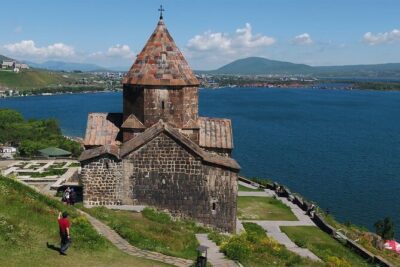
Best of Armenia: private 2-3 days tour to Yerevan w/ family lunch
Read our review →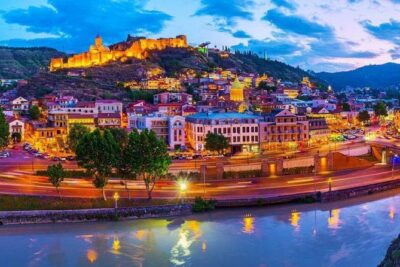
Private 3-Day Tours & Transfers from Tbilisi to Top Georgia Spots
Read our review →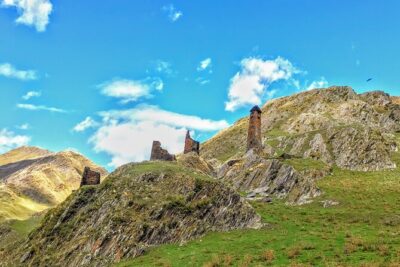
3 Day Tusheti Tour Explore Unspoiled Wilderness
Read our review →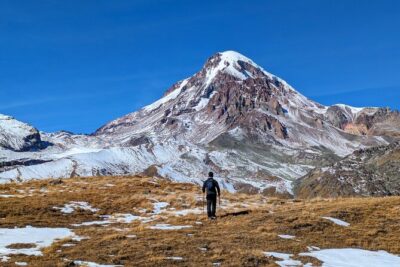
3-Day Private Mestia and Ushguli Tour from Tbilisi
Read our review →
Browse the lists this tour appears in